Raw Milk Safety

Rapid Chilling of Raw Milk Lowers Pathogen Risks and Improves Shelf-Life

For raw milk production, risk management and customer satisfaction go hand-in-hand.  Many of the strategies that result in low-risk raw milk also work well to keep customers happy with delicious, long-lasting milk. Rapid chilling is one such strategy that lowers the risk of pathogens while also improving the flavor and shelf-life of raw milk.

Although pathogens in well-produced raw milk are rare, they are still an important consideration and we encourage all raw milk farmers to take pathogens seriously.  The four main pathogens of concern that can be found in raw milk are E coli 0157:H7, Salmonella spp., Campylobacter spp., and Listeria monocytogenes. Illnesses from these pathogens can be serious or even fatal. 

In the rare case when pathogens are present in well-produced raw milk, illness will still not occur unless the pathogen load (or amount of pathogen present) is high enough to produce illness. If it is present in a small enough quantity, even the most virulent pathogen will not produce illness.  Generally, the presence of a single virulent bacterium is not sufficient to cause illness, and different pathogens have varying thresholds at which they must be present to induce human illness. 

However, bacteria multiply rapidly at warm temperatures and can double their count in as little as 20 minutes. At cold temperatures, bacteria growth slows down dramatically.  This means that farmers can greatly reduce the number of bacteria present in raw milk by quickly chilling the milk right after milking time. 


Aim for Chilling to 35-40 °F in Less Than an Hour

Our general recommendation is for farmers to chill their raw milk to 35-40 °F within an hour of milking.  This helps in ensuring that any bacteria present in the raw milk do not have much time in which to multiply.

Refrigerators do not generally work well for rapidly chilling raw milk.  Depending on the size of the milk jar or jug, it may take a few hours for warm milk to cool down to under 40 degrees in the refrigerator. Freezers also do not generally work well for chilling milk because the milk may freeze and break the glass jars. 

In order to achieve cold milk in a short time, other methods are needed. We work closely with dozens of farmers, and have seen that rapid milk chilling is achievable no matter the size of the farm.  Here are some of the different ways in which farmers can rapidly chill their raw milk to 35-40°F in an hour or less.  

Ice-and-Water Bath for Rapid Milk Chilling on Micro-Dairies

For small-scale farms, an ice-and-water bath can work well for milk chilling. A chest cooler can be used to hold the ice-and-water bath.  When using this method, there are a few important things to pay attention to:

  • The milk jars should be submerged in the cold ice-and-water, but make sure that the water level does not reach lid of the milk container. Otherwise, there may be problems with water comingling with the milk in the jars.

  • The size of the milk jar will make a big difference in how long it will take the milk to chill down.  We recommend that farmers use milk jars that are no larger than ½ gallon, or else the chilling time will be too lengthy.

  • Some farmers who do not have ice maker machines have preferred to use either stainless steel ice cubes (which can be sanitized in the dishwasher) or frozen water bottles which can be reused over and over again.

  • Make sure there is enough cold ice water to rapidly chill the milk.  If there are too many milk jugs in relation to the amount of ice water, then the chilling will not be quick enough.

  • Some farmers like to add in a small submersible water pump (such as an aquarium or pond pump) to circulate the water in their ice water bath for quicker chilling. 

  • Whatever method you use, you can check to see whether the milk is chilling rapidly enough by measuring the temperature in the middle of your milk jars after an hour.   
Bulk Milk Tanks

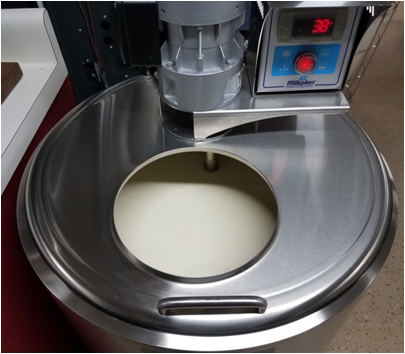
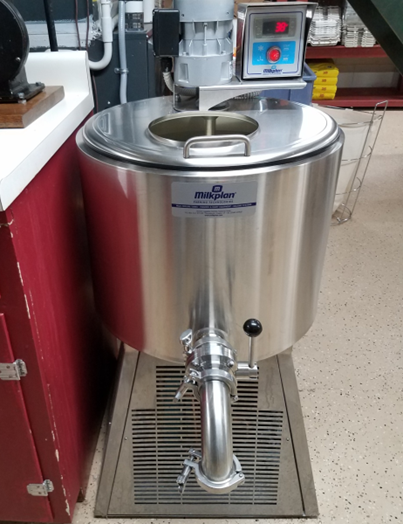
Bulk tanks are another option for milk chilling. Small bulk tanks can hold up to 15 gallons of milk, and many other sizes are available for farmers who are producing larger quantities of milk.  Bulk tanks with integrated cooling systems can quickly chill the milk to the desired temperature. When using a bulk tank, farmers need to be aware of the following:

  • Bulk tanks need to be sized appropriately, or else there can be problems with the milk freezing if there is too little quantity of milk relative to the size of the tank.

  • Milk stacking occurs when milk from multiple milkings is poured into the bulk tank. This can result in increased bacteria counts as the milk in the tank is re-warmed each time fresh milk is added.  Furthermore, milk stacking increases the risk of contamination from one batch of milk to another, thereby increasing the potential damage done by the presence of any undesirable bacteria/pathogens. We recommend that farmers minimize milk stacking by bottling their milk after every 1-3 milkings.

  • Bulk tanks must be thoroughly cleaned after each time the milk is bottled.  The valve on the bulk tank, in particular, needs to be completely disassembled and scrubbed clean to ensure that it does not harbor bacteria. 

Sophisticated Chilling for Larger Farms

Larger farms may choose to use sophisticated chilling equipment, such as plate chillers.  These chillers will cool the milk down rapidly in just a few minutes before it even enters the bulk tank.  Farmers using plate chillers need to be aware of the following:

  • Complex equipment can create more opportunities for bacteria biofilms to grow in nooks and crannies. Therefore, thorough cleaning is essential for plate chillers in between milkings.

  • A clean-in-place (CIP) system will be required for thoroughly cleaning the plate chiller.  We recommend that farmers work with a dairy supply consultant to optimize the CIP for their individual pipeline systems. This should include a tepid rinse, followed by a hot wash with alkaline detergent, followed by a warm acid rinse. 

  • The temperature of the water used for the hot alkaline wash will decrease as the water flows through the system, thereby reducing the effectiveness of the cleaning solution. It is recommended to ensure that the temperature of the wash water is at least 120 degrees at the outlet of the system.

  • Over time, bacteria biofilms can become resistant to specific cleaners, especially in pipeline systems.  Therefore, it is recommended to periodically “shock” pipeline systems by using different alkaline and acid cleaners about once a month.


Rapid Milk Chilling is Achievable

Rapid milk chilling is an important strategy for risk reduction with raw milk.  As we have described, rapid chilling is achievable no matter the size of the farm. Besides reducing the risk of high bacteria counts in the milk, rapid chilling can also result in a longer shelf-life for the milk and help in preventing off flavors. Rapid chilling is a Win-Win for both farmers and customers.


This article was published in the April 2023 issue of Graze Magazine.
VIDEO: On-Farm Raw Milk Testing with Charm Sciences Peel Plates

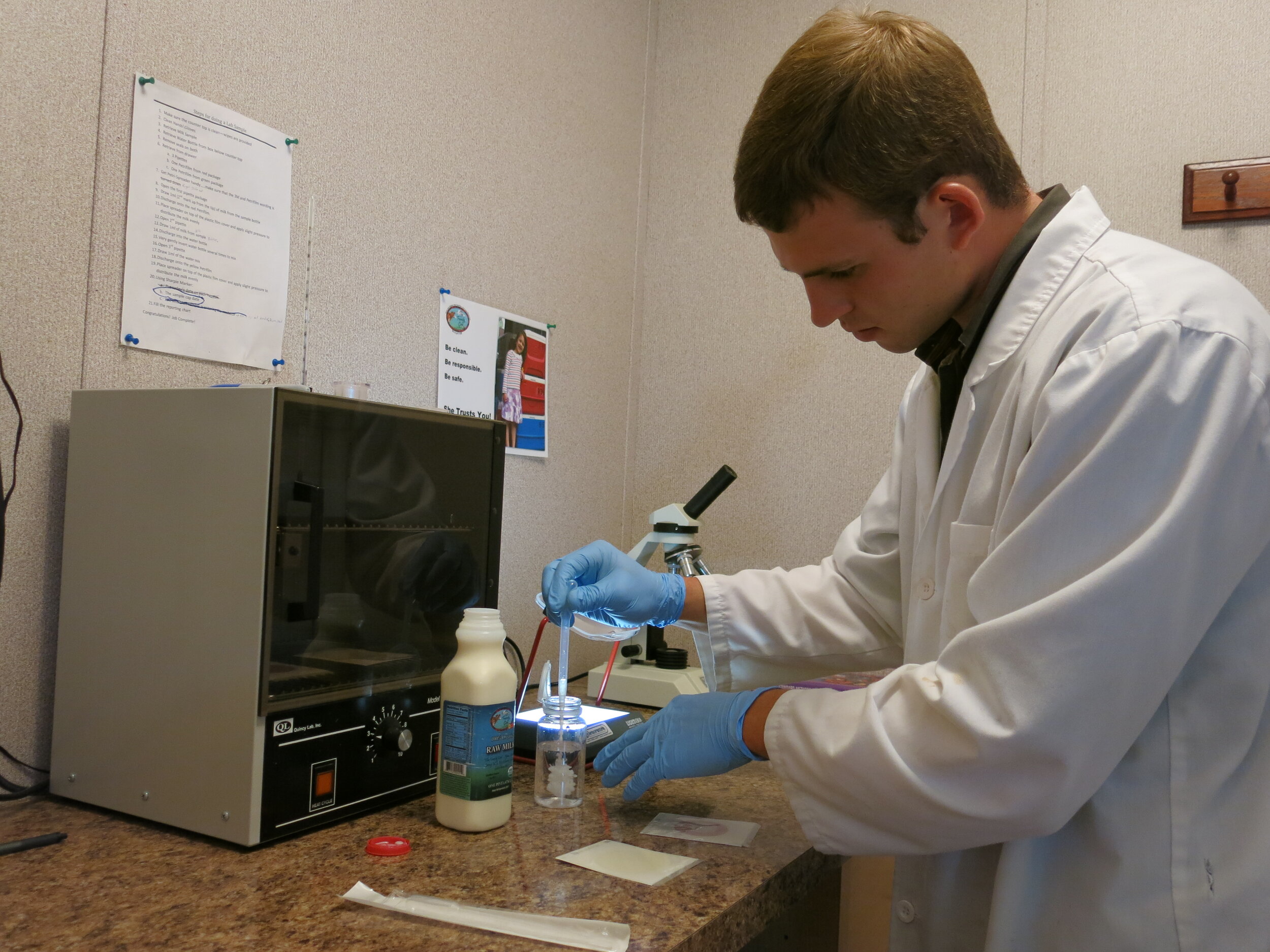
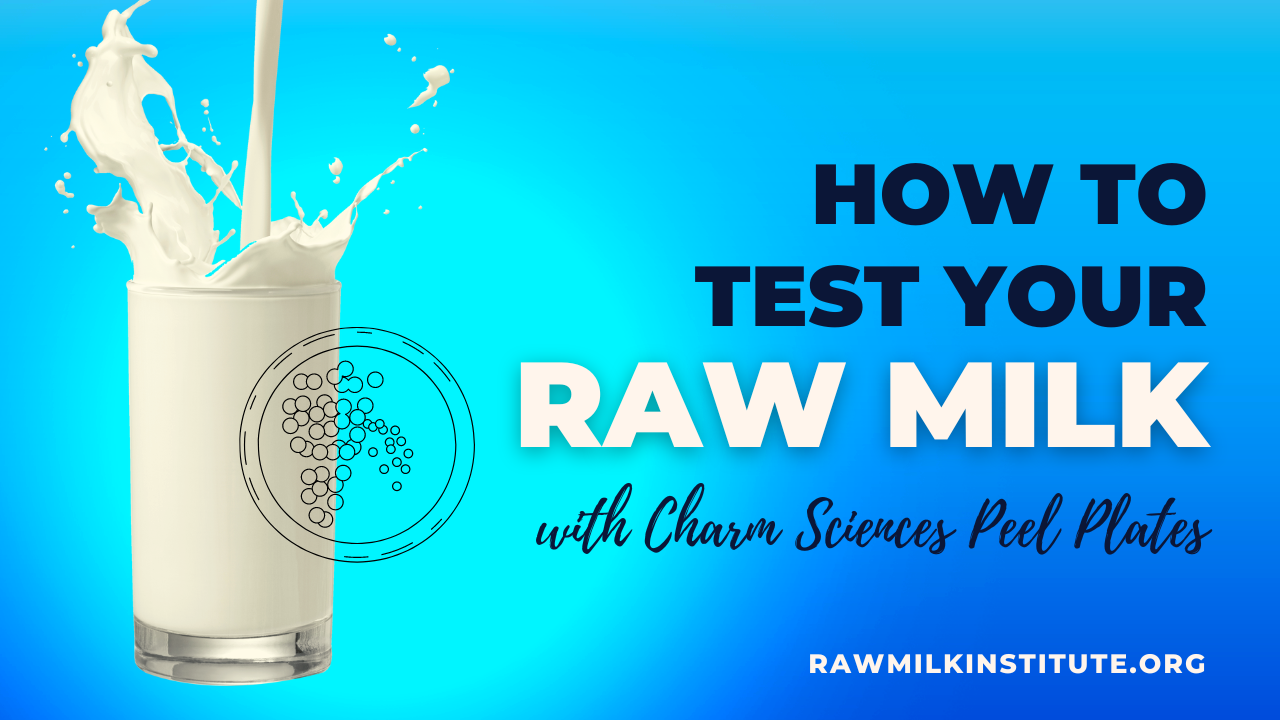
The Raw Milk Institute is pleased to share with you this new video for learning how to do on-farm bacterial testing of raw milk. This video was put together by Kelsey Barefoot, who is on the RAWMI Board of Directors and tests the raw milk from her own farm in an on-farm lab.

Regular bacterial testing is one of the keys to ensuring that raw milk is low-risk. On-farm testing is economical and valuable for raw milk farmers, as it allows them to test their milk more frequently and detect trouble spots before they become a bigger issue.
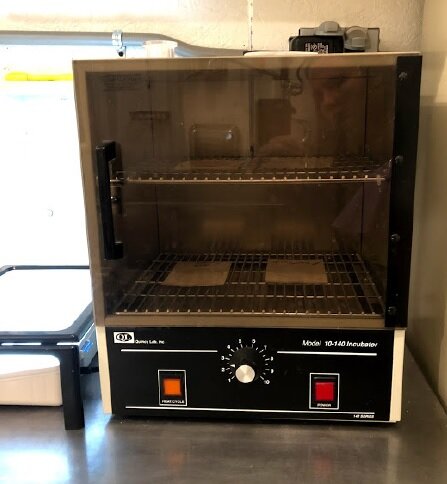
This new video will show you:

  • Materials needed for on-farm lab testing

  • How to perform on-farm lab testing of raw milk using Charm Sciences peel plates

  • How to interpret the results

The bacterial tests performed in an on-farm lab (coliform and Standard Plate Count) are used to provide a general indicator that milk is being produced in a way that is unlikely to lead to pathogens and pathogen growth. RAWMI Common Standards aim for a rolling three-month average of less than 5,000 cfu/mL for Standard Plate Count and less than 10 cfu/mL for coliforms.
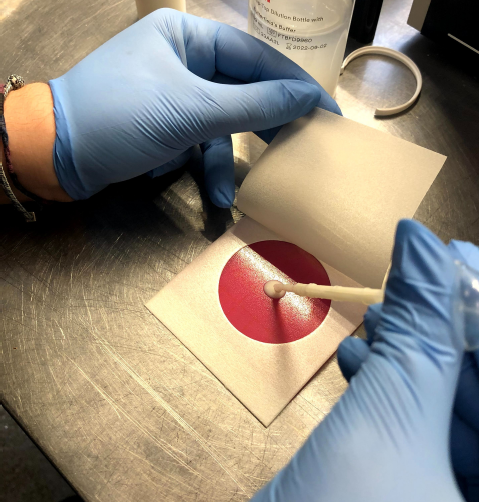
For more information about on-farm milk testing, including materials lists and written procedures, go here:

On-Farm Lab Testing

Why is Predictive Microbiology Crucial to Raw Milk Risk Assessment?

Earlier this month, readers of the feature article written by Sarah Smith, my colleague at the Raw Milk Institute (RAWMI), learned about pathogen growth in raw milk. RAWMI contracted with an independent laboratory to conduct a pilot study with an experimental design based on published studies on Predictive Microbiology, the science supporting models of the growth and survival of microbes under different experimental conditions. This article provides readers with more information about what Predictive Microbiology is and why it is important to dairy farmers and raw milk consumers in the 21st century.

Why is Predictive Microbiology important to dairy farmers and raw milk consumers?

Awareness of Predictive Microbiology is important because pathogen growth is modeled in the Exposure Assessment portion of Microbial Risk Assessments (MRAs; FDA/FSIS, 2003; FSANZ, 2009), and the models selected often intentionally overestimate pathogen growth by design, as ‘fail-safe’ models (Tamplin et al., 2002; Coleman et al., 2003a,b; Ross et al., 2003; Coleman, 2021). In other words, regulators rely on predictive microbiology models in estimating the level of risk, and the models that have been available thus far typically intentionally overestimate the risk of pathogen growth. 

The advantage for risk managers and regulators in selecting policies based on ‘fail-safe’ models that overestimate growth is the appearance of minimizing public health breaches or ‘failures’ (e.g., illnesses or outbreaks) if anything goes wrong along the food safety chain from production to consumption. The disadvantage for dairy farmers and raw milk consumers is that the growth models applied for raw milk MRAs are wrong, based on intentionally biased experiments that overestimate actual pathogen growth in raw foods and thus overestimate risk of illness to consumers.

For a quick overview of MRA, see the text box and figure in the forthcoming May 2022 article entitled Raw Milk Risks from a Microbiologist’s Perspective that I prepared for Weston A. Price Foundation’s Wise Traditions journal.

Science of Predictive Microbiology

Microbiologists including those at the USDA’s Agricultural Research Service in Wyndmoor, PA, began designing ‘factorial’ experiments for modeling pathogen growth in the 1990s, selecting rich nutrient culture broths amenable to testing a wide variety of levels of different ‘factors’ that influence microbial growth. The study designs were inexpensive and accurate, compared to more expensive and more complex analysis for different foods. The data from these experiments are generally well validated experimentally: that is, for growth in pure culture broths.

Such data formed the basis of free online tools for predicting growth, including the USDA’s Pathogen Modeling Program (PMP). The experiments were designed to include multiple levels of different factors including pH and salt or water activity that are similar to levels that can be measured in foods. The advantages of such tools based on broth culture experiments for government and academic risk assessors are that they might extrapolate the broth culture growth models to foods with similar levels of factors measured, and assume the models are still accurate. This could be beneficial because conducting pathogen growth studies in foods under diverse conditions of temperature and storage is expensive and time consuming.

Screenshot from USDA PMP

Now, with access to PMP, the risk assessor can select the inputs from those tested in multiple factor broth culture experiments from the sliders illustrated in the screen shot from PMP on the left. I illustrated a growth scenario with an appropriate refrigeration temperature (5°C or 41°F, from a range of 5-42°C or 41-107.6°F) and a pH (6.5, from a range of 4.5-8.5) relevant to raw milk.

The first problem for dairy farmers and raw milk consumers is that models based on optimal growth of pathogens in pure cultures described by rich broth culture models overestimate actual pathogen growth in raw milk. As early as 1997, university researchers published experimental results reporting that the rate of growth of the pathogen E. coli O157:H7 was significantly slower in raw milk than pasteurized (Wang et al., 1997). The authors noted that the difference in growth rates was likely due to the natural microbes in raw milk that outcompete pathogens and limit their growth in raw, not pasteurized, milk.

Another problem for farmers and consumers is that the broth culture study designs are typically biased by inclusion of only high initial pathogen levels (> 3 log10 colony forming units (CFU) per mL or >1,000 CFU/mL, from a range of 3 to 5.9 log10 CFU/mL).  Even in rich culture broth, growth rates are lower at low inoculum levels (~1 CFU/mL; Coleman et al., 2003). Biased growth models (based on rich nutrient broth, high initial inoculum, and/or absence of natural milk microbiota) result in biased MRAs that overestimate raw milk risks.

You may not be surprised to learn that some microbial risk assessment teams, including the Food Standards Australia New Zealand team (FSANZ, 2009), selected rich culture broth studies (Salter et al., 1998; Ross et al., 2003) that measured growth of harmless or commensal E. coli strains that are part of our healthy gut microbiota, not even pathogenic strains like O157:H7 that can cause illness and grow at slower rates. FSANZ excluded an available study on growth of the pathogen E. coli O157:H7 itself in raw and pasteurized milk reported by Wang and esteemed food scientist Mike Doyle at the University of Georgia (Wang et al., 1997).

Why do you think the FSANZ team decided not to cite Mike Doyle’s study, a study they should have known about? Likely because it measured lower pathogen growth rates in raw milk than in pasteurized milk (and broth). Thus, it seems that FSANZ likely excluded the study because the results did not support their notion that raw milk is inherently dangerous, and more dangerous than pasteurized milk. A short plain language summary prepared by the Australian Raw Milk Movement (ARMM) and the full 73-page technical report that I prepared for them (Coleman, 2021) are both available on the ARMM website. See the technical report for the more detailed section on pathogen growth and microbial ecology (pp. 30-40 of the 73-page report).

Why is Inoculum Level Important to Predict Growth in Raw Milk?

Well-produced raw milk has relatively low levels of coliform and aerobic bacteria. Farmers who follow RAWMI’s Common Standards for raw milk aim for coliform counts of <10 CFU/mL and Standard Plate Counts of <5,000 CFU/mL. However, don’t let these low coliform counts or low Standard Plate Counts in raw milk fool you.

Raw mammalian milks are complex ecosystems with dense and diverse microbes that benefit health. The natural microbes in raw milks have different requirements for culturing them, so studies that rely on specific culture media for assessing what microbes are present in raw milk are biased. The development of genomic methods that estimate presence of microbial genes or gene products in raw milks without culturing are more reliable for describing the raw milk microbes or microbiota (Oikonomou et al, 2020). Such studies are transforming our understanding of the microbiota of many natural systems in the recent decade, including raw mammalian milks.

The dense and diverse microbiota predominant in raw milk from healthy mammals is illustrated in the figure below by Oikonomou and colleagues (2020; authors’ Figure 2, pg. 4 of 15). The bacteria listed in red text were identified in the milk microbiota from all five types of mammals, bacteria in yellow from 3 or more mammals, and bacteria in blue in less than three mammals. None of these bacteria were identified as pathogens, but rather are natural microbes that appear to benefit human and animal offspring (and adult humans) by ‘seeding and feeding’ the gut. In other words, raw milk ‘seeds’ the gut with beneficial microbes and ‘feeds’ gut and microbial cells with nutrients. The raw milk microbiota also stimulates proper maturation and function of immune, neural, and respiratory systems (Coleman et al., 2021a,b; Dietert et al., 2022).

Oikonomou, et al., “Milk microbiota: what are we exactly talking about?Frontiers in Microbiology

Predominant beneficial microbes including Pseudomonas, Staphylococcus, and certain lactic acid bacteria or LABs (including not just the familiar Lactobacillus, but also 11 other microbes: Lactococcus, Enterococcus, Streptococcus, Carnobacterium, Vagococcus, Leuconostoc, Oenococcus, Pediococcus, Tetragonococcus, Aerococcus and Weissella) are known to outcompete specific pathogens at refrigeration temperatures (Coleman et al., 2003a; Reuben et al., 2020).

A recent study in the Journal of Dairy Science (Reuben et al., 2020) illustrates the importance of incorporating data on the microbiota and microbial ecology of raw milks into Predictive Microbiology models and MRAs.  The authors demonstrated not merely suppression of growth of all pathogens tested (E. coli O157:H7, L. monocytogenes, and Salmonella) by LAB strains isolated from raw cow milk, but also ‘competitive exclusion’ of these pathogens inoculated at both 103 and 106 log10 CFU/mL. Clearly, the natural milk microbiota influences growth of pathogens.

In summary, the raw milk ecosystem differs greatly from sterile nutrient broth. If an MRA relies on pathogen growth models based on broth cultures, be skeptical of its value for predicting pathogen growth in raw milk. Pathogen growth rates in raw milk are likely lower due to suppression or exclusion of pathogens by the natural raw milk microbiota and compounds produced by these beneficial microbes.

How do Microbes in Raw Milk Outcompete and Exclude Pathogens?

The peer-reviewed literature is expanding as researchers document the mechanisms or pathways by which the raw milk microbes benefit health. Microbes in raw milk produce vitamins and enzymes that enhance gut health. Microbes also produce antimicrobial compounds including proteins (bacteriocins) and organic acids like lactic acid that reduce pH and indirectly suppress pathogen growth, modulate the immune system, and reduce inflammation. 

The natural raw milk microbiota also enhances gut mucosal barrier function, and competes with pathogens in the gut nutritionally and spatially (colonizing potential bacterial binding sites, enhancing ‘colonization resistance’ to pathogens, and reducing pathogen infection rates). Consider recent evidence for benefits and risks for the breastmilk microbiota (Coleman et al., 2021a,b) and the cow milk microbiota (Dietert et al., 2022). A large body of evidence also exists that documents mechanisms of interference of LABs with pathogens, including pathogen virulence expression.

Want More Perspectives from a Microbiologist and Risk Assessor?

Feel free to contact me for more information at peg@colemanscientific.org.

Key References Cited

  1. Coleman, M. E., Sandberg, S., & Anderson, S. A. (2003a). Impact of microbial ecology of meat and poultry products on predictions from exposure assessment scenarios for refrigerated storage. Risk Analysis: An International Journal, 23(1), 215-228.

  2. Coleman, M. E., Tamplin, M. L., Phillips, J. G., & Marmer, B. S. (2003b). Influence of agitation, inoculum density, pH, and strain on the growth parameters of Escherichia coli O157: H7—relevance to risk assessment. International Journal of Food Microbiology, 83(2), 147-160.

  3. Dietert, R. R., Coleman, M. E., North, D. W., & Stephenson, M. M. (2022). Nourishing the Human Holobiont to Reduce the Risk of Non-Communicable Diseases: A Cow’s Milk Evidence Map Example. Applied Microbiology, 2(1), 25-52.

  4. Food Standards Australia New Zealand (FSANZ). (2009). Microbiological Risk Assessment of Raw Cow Milk. Available at: https://www.foodstandards.gov.au/code/proposals/documents/-p1007%20ppps%20for%20raw%20milk%201ar%20sd1%20cow%20milk%20risk%20assessment.pdf.

  5. Oikonomou, G., Addis, M. F., Chassard, C., Nader-Macias, M. E. F., Grant, I., Delbès, C., ... & Even, S. (2020). Milk microbiota: what are we exactly talking about? Frontiers in Microbiology, 11, 60.

  6. Ross, T., Ratkowsky, D. A., Mellefont, L. A., & McMeekin, T. A. (2003). Modelling the effects of temperature, water activity, pH and lactic acid concentration on the growth rate of Escherichia coli. International Journal of Food Microbiology, 82(1), 33-43.

  7. Reuben, R. C., Roy, P. C., Sarkar, S. L., Alam, A. R. U., & Jahid, I. K. (2020). Characterization and evaluation of lactic acid bacteria from indigenous raw milk for potential probiotic properties. Journal of Dairy Science, 103(2), 1223-1237.

  8. Salter, M. A., Ross, T., & McMeekin, T. A. (1998). Applicability of a model for non-pathogenic Escherichia coli for predicting the growth of pathogenic Escherichia coli. Journal of Applied Microbiology, 85(2), 357-364.

  9. Tamplin, M. L. (2002). Growth of Escherichia coli O157: H7 in raw ground beef stored at 10 C and the influence of competitive bacterial flora, strain variation, and fat level. Journal of Food Protection, 65(10), 1535-1540.

  10. Wang, G., Zhao, T., & Doyle, M. P. (1997). Survival and growth of Escherichia coli O157: H7 in unpasteurized and pasteurized milk. Journal of Food Protection, 60(6), 610-613.

How Well Do Pathogens Grow In Raw Milk?

Low Risk of Pathogens in Intentionally-Produced Raw Milk

Despite raw milk’s association with decreased rates of asthma, allergies, eczema, ear infections, fever, and respiratory infections, government agencies in countries such as the USA, Canada, and Australia are still biased against raw milk. These Government agencies warn against raw milk consumption and, in some places, they even impose an outright ban on raw milk with potential heavy penalties and imprisonment for raw milk farmers.

The rationale that these Government agencies cite against raw milk is their belief that raw milk consumption leads to high rates of foodborne outbreaks, illnesses and deaths.  However, this belief is outdated and conflicts with the most up-to-date peer-reviewed research which has found that carefully produced raw milk is a low-risk food which is fundamentally different from pre-pasteurized milk. 

The table below contrasts pathogen test data from pre-pasteurized milk vs. carefully-produced raw milk intended for direct human consumption. As illustrated in the table, pathogen testing of pre-pasteurized milk samples has detected pathogens in up to 33% of samples.  In contrast, there were zero pathogens detected in thousands of milk samples from raw milk intended for direct human consumption. It is clear from this test data from bulk tanks or milk silos that the risk profile of pre-pasteurized milk is categorically different from raw milk intended for direct human consumption.

Pathogen Loads and Illness

Carefully-produced raw milk has a low-risk of containing pathogens, but there is no such thing as a perfectly safe food. A CDC analysis of foodborne illnesses from 2009-2015 showed that the top food categories commonly linked to illnesses were chicken, pork, and seeded vegetables. Pasteurized milk is not perfectly safe, either, and is implicated in foodborne illnesses and outbreaks. 

In the very rare case that a pathogen could be present in carefully-produced raw milk, in order for a pathogen to cause illness four variables must align:

  • A pathogen must be present

  • The pathogen must be virulent and capable of producing harmful effects

  • The pathogen load must be high enough to produce illness

  • The person must be susceptible to the pathogen

If it is present in a small enough quantity, even the most virulent pathogen will not produce illness.  The presence of a single virulent bacterium is not sufficient to cause illness, and different pathogens have varying thresholds at which they must be present to induce human illness. 

For instance, even though Listeria monocytogenes is a known foodborne pathogen, the European Union allows Listeria up to 100 bacteria/gram in foods that do not permit growth because it is known that Listeria in lesser amounts is not sufficient to cause illness.

Some of the data cited by Government agencies against raw milk includes pathogen growth studies where it was found that pathogens multiply greatly over time.  However, these studies are not actually applicable to carefully-produced raw milk because they were performed in nutrient-rich broth instead of milk, they used tremendously high amounts of pathogens (such as 10 log 7, which corresponds to ten million pathogenic colony-forming units (CFU) of bacteria per mL), or they did not account for cold temperature storage.

Need for a NEW Pilot Study on Pathogen Growth for Raw Milk

In order to generate a stronger scientific basis for assessments of risks of pathogen growth in raw milk, the Raw Milk Institute (RAWMI) recently commissioned a pilot study on pathogen growth performed by an independent 3rd party lab certified to perform pathogen testing, Food Safety Net Services (FSNS).  RAWMI Advisory Board member Peg Coleman provided technical input on the study design based on predictive microbiology (Coleman et al., 2003a) and risk assessment (Coleman et al., 2003b) studies that she had conducted at the University of Maryland Eastern Shore and published through the USDA Agricultural Research Service. The new pilot study was partially paid for through donations.   

In this new pilot study, samples of well-produced raw milk were purposely inoculated with the four main pathogens of concern for raw milk: E coli 0157:H7, Salmonella spp., Campylobacter spp., and Listeria monocytogenes. Raw milk was inoculated at two levels (high and moderate counts per mL). The objective of this new pilot study was to document growth characteristics of these pathogens in carefully produced raw milk over a period of 14 days when stored at the refrigeration temperature recommended by FDA and USDA: 40°F (4.4 °C). The number of pathogenic bacteria present in the raw milk were counted on days 0, 3, 6, 9, 12, and 14.

Highlights of NEW Pilot Study Design

  • The temperature for this study was chosen because 40°F (4.4°C) is the recommended maximum temperature for a home refrigerator.

  • Inoculum Level I: target <10 CFU/mL. Although the study design called for inoculation with <10 CFU/mL, the actual amounts used in the study were measured in the range of 22-162 CFU/mL, thus a moderate level inoculum.

  • Inoculum Level II: target 1,000 CFU/mL. Although the study design called for inoculation with 1,000 CFU/mL, the actual amounts used in the study were measured in the range of 600-8,300 CFU/mL.

Results of the NEW Pilot Study

The tables below show the results of the study at Inoculum Levels I and II.

Table of Results from Inoculum Level I, from FSNS Report, Determination of Growth Rate of Salmonella enterica spp., E. coli O157:H7, Campylobacter spp., and Listeria monocytogenes in Raw Milk

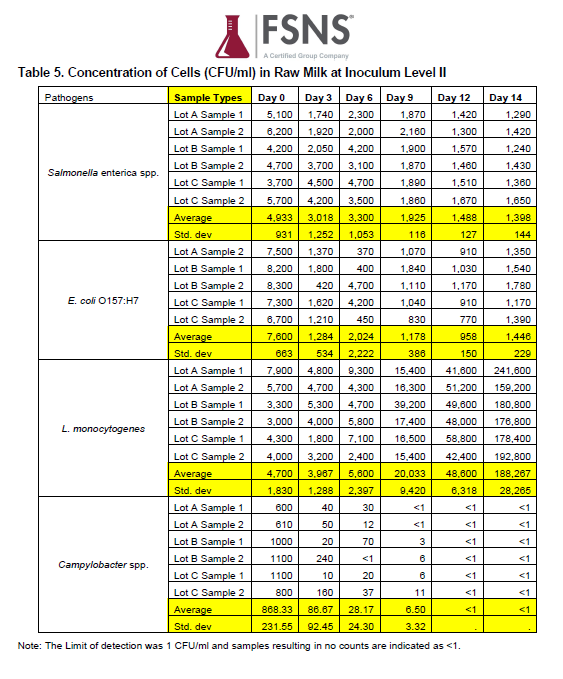
Table of Results from Inoculum Level II, from FSNS Report, Determination of Growth Rate of Salmonella enterica spp., E. coli O157:H7, Campylobacter spp., and Listeria monocytogenes in Raw Milk

The most relevant finding of the study is that at moderate Inoculum Level I, no pathogen growth is observed through at least 6 days of refrigerated storage. The very high Inoculum Level II results are less important to risk assessors since these levels of pathogens are not observed in naturally contaminated raw milk.

Over the study period of 14 days, the counts per mL of E coli 0157:H7, Salmonella spp., and Campylobacter spp. decreased over time. These results indicate that, when stored at the recommended refrigerator temperature, moderate to high counts of E coli 0157:H7, Salmonella spp., and Campylobacter spp. did not multiply over time in raw milk. Listeria monocytogenes exhibited some growth in this study after 9 days of refrigeration at both moderate and high level inoculum levels.

Click the button below to download the full report from FSNS, Determination of Growth Rate of Salmonella enterica spp., E. coli O157:H7, Campylobacter spp., and Listeria monocytogenes in Raw Milk.

Download Full FSNS Report

Further Research

This study was designed as a small pilot study, and further research is needed to draw more-robust conclusions. Analysis of the NEW pilot study data are in preparation for submittal to a peer reviewed journal. Peg Coleman will also be providing a more detailed analysis of the study.

The new pilot study and the publication are intended to support a grant proposal to fund a full study that includes multiple producers of raw, lightly pasteurized, and typical pasteurized milks, with daily sampling after low and high inoculum levels. Nonetheless, the results of this NEW pilot study serve to provide an initial basis for challenging incorrect assumptions of the past that overestimated the growth of pathogens in clean, cold raw milk produced for direct human consumption by careful, trained producers.

Annual Report for Raw Milk Institute

pasture.png

The Raw Milk Institute (RAWMI) is on a mission to improve the safety and quality of raw milk and raw milk products through farmer training, rigorous raw milk standards, raw milk research, and improving consumer education.

RAF logo.png

In 2020, RAWMI was awarded a 2nd grant from the Regenerative Agriculture Foundation (RAF) to further our work. RAWMI matches an economic benefit of stewardship of pastures and soils to high value raw dairy products for consumers. Safe raw milk from pastured cows can sustain the farm financially while the grazing improves the soils.

With the 2nd grant from RAF, RAWMI was able to accomplish much towards the overall goal of universal access to safe raw milk. With the unique challenges of 2020, RAWMI was able to adapt to the changing conditions and successfully develop new models for training and outreach.

Over the last year, RAWMI:

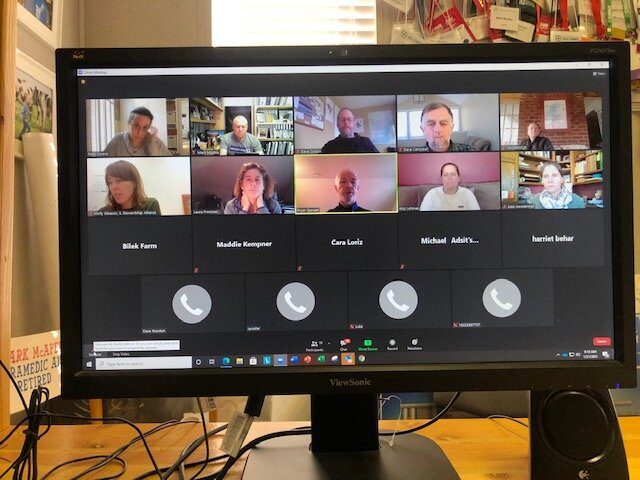
  • Gave 14 raw milk training presentations (via Zoom)

  • Trained over 500 farmers, legislators, university professors, and consumers on raw milk benefits and risk management (via Zoom)

  • Prepared and presented an intensive 4.5 hour training course on Raw Milk Risk Management, for the Ohio Ecological Food and Farming Association (OEFFA)

  • LISTED six new farms, who went through the process of developing an individualized Risk Assessment and Management Plan (RAMP) for managing the health and hygiene of their unique farms

  • Provided one-on-one mentoring in the production of low-risk raw milk to over 25 additional farms in California, Michigan, Virginia, Michigan, Panama, Argentina, South Dakota, Hawaii, Montana, Washington, Tennessee, North Dakota, Oregon, Connecticut, and British Columbia

  • Hosted quarterly meetings for LISTED farmers, which allow the farmers to stay up-to-date on the latest lessons learned for safe raw milk

  • Amassed hundreds of raw milk test data from RAWMI LISTED farms 

  • Attended and sponsored International Milk Genomics Consortium Conference (via Zoom)

  • Collaborated with raw milk researchers in better understanding trends in raw milk-related outbreaks and illnesses

  • Worked towards legalization of interstate raw butter and increased legal access to raw milk in Oregon and South Carolina

  • Published 20 content pieces on the RAWMI website

  • Provided on-farm lab grants to 4 farms

  • Provided scholarships for OEFFA training to 10 farmers

shot.jpg

Raw Milk Training

RAWMI taught about raw milk health benefits and safety throughout the United States. Whenever RAWMI teaches about raw milk risk management, soil and conditions management are emphasized as key elements in creating healthy, sustainable farms.

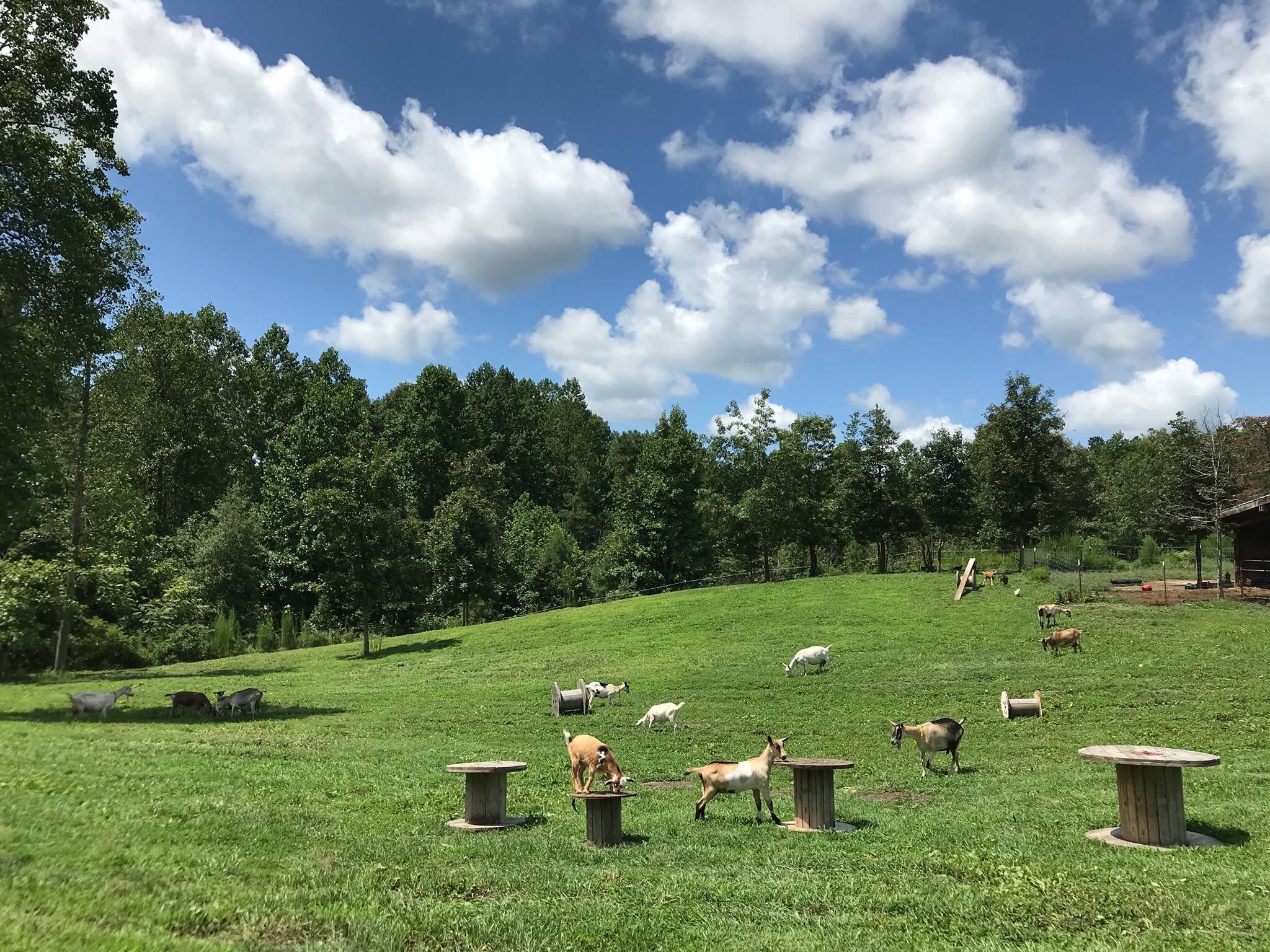
Dairy animals grazing on pastures provide a critical link to the soil biome and restorative farm practices. Pasture-based dairy farms produce healthy soils that are rehabilitated and renewed through the cycle of returning organic carbon to the soil in the form of plants biomass and manure. The resulting food that is harvested by either the animals or the farmer is rich in nutritional elements needed for human health.

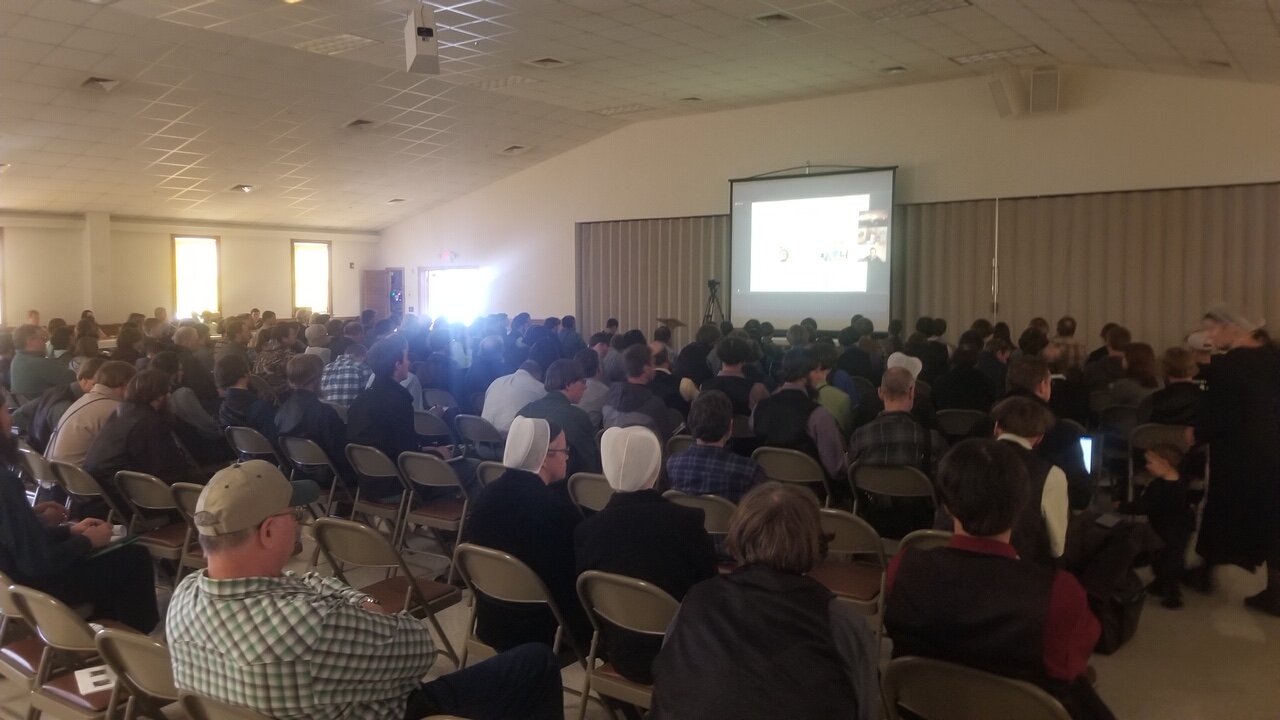
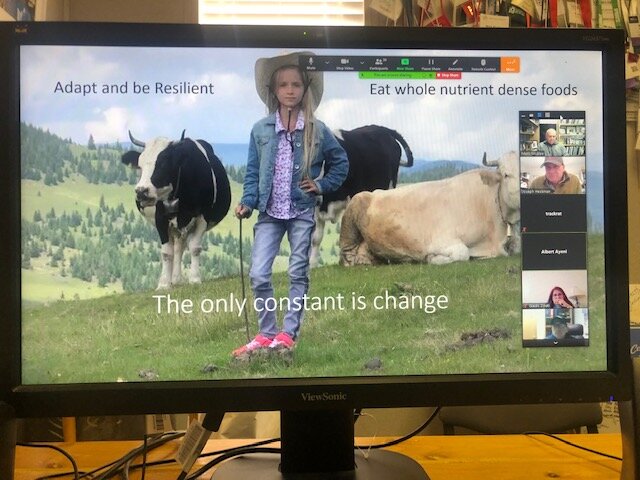
Via Zoom, raw milk training was presented to over 500 farmers, legislators, university professors, and consumers in association with the following:

  • Ohio Ecological Food and Farming Association

  • Take Back Your Health Symposium

  • Village Fitness and Physical Therapy

  • Andrew Columbini (Los Angeles blogger)

  • Pennsylvania Grazer’s Convention

  • Mid-Atlantic Agriculture Convention

Attendees at RAWMI’s training classes provided feedback such as the following.


“I so enjoyed the RAWMI training yesterday. It was quite energizing to be surrounded virtually with like-minded individuals wanting to produce exceptionally high quality raw milk. For me, the combination of technical information and anecdotes is very effective for explaining why the RAWMI methods are important and how they solve a raw milk producer challenges. I came away with practical solutions to increase the quality/value of our milk and farm. Thank you."


“I left the Zoom meeting with a very clear understanding of what we are doing right and where we need to make changes. Beyond that, though, I left inspired to pursue excellence and cast a clear vision to everyone who is joining me in this endeavor.” 


 “The information was also rich and informative. I learned a ton and the systematic way you presented it was easy to follow and comprehensive.” 

“I cannot wait to move forward with you in becoming RAWMI Listed. We will be making some changes as we form our RAMP plan. We have already adjusted our milk chilling and have seen an improvement in flavor and longevity.” 


“Thank you for all you do. I have no doubt history will look back at the RAWMI as having played a crucial role in reforming raw milk production, health, and nutrition.”


“Excellent presentation that every single person who dairies for themselves and their family should take and learn from. Thank you very much.”


“This has been excellent!  ONLINE was so helpful as it’s hard to travel and be away.”


Farmer Mentoring  

RAWMI worked with individual farmers across the United States, Canada, and South America. RAWMI provided one-on-one mentoring and troubleshooting support for low-risk raw milk production, including helping farmers optimize their raw milk production, overcome problems in their milk systems and testing, and learn more about successful business practices.  This mentorship benefited farmers in:

  • California

  • Michigan

  • Virginia

  • Wyoming

  • Panama

  • Argentina

  • South Dakota

  • Hawaii

  • Montana

  • Washington

  • Tennessee

  • North Dakota

  • Oregon

  • Connecticut

  • British Columbia

RAWMI LISTED Farms

RAWMI LISTED farmers are dedicated to producing clean, safe raw milk. The RAWMI listing process involves the development of individualized Risk Assessment and Management Plans (RAMPs) for managing the health and hygiene of each unique farm. RAWMI LISTED farms submit test data monthly to show that they are in compliance with RAWMI Common Standards, which target a rolling three-month average of <5,000 standard plate count (SPC) and <10 coliforms per ml of raw milk.

In the last year, RAWMI LISTED five more farms, in Virginia, Michigan, Kansas, and Wisconsin. To-date, RAWMI has LISTED 25 farms, and there are currently 20 active LISTED farms in the United States and Canada

RAWMI provided continuing support to all LISTED farmers to enable sustained excellence in low-risk raw milk. This included quarterly meetings for LISTED farmers, which allow the farmers to stay up-to-date on the latest lessons learned for safe raw milk, exchange ideas for improvements, and collaborate with the RAWMI Board of directors.  

RAWMI also sponsored general raw milk educational outreach and advertising through social media. This outreach specifically targeted regions across the United States where RAWMI LISTED dairies are located, to connect consumers to LISTED farmers. 

2.png

Raw Milk Research and Science

RAWMI’s mission includes supporting raw milk research and science. RAWMI LISTED farmers test their milk at least monthly for coliforms and Standard Plate Count (SPC). These tests provide a way to measure the amount of bacteria present in the milk, as well as providing a measure of the overall hygiene and cleanliness of the milk. Monthly testing serves as a useful confirmation step for ensuring that raw milk is being produced in a way that discourages pathogen growth and is therefore low-risk.

Test data from LISTED farms is submitted to RAWMI monthly. RAWMI amassed hundreds of test data from RAWMI LISTED farms over the last year.  This data can be used for raw milk research. 

imgc.png

RAWMI was a sponsor of the 17th International Milk Genomics Consortium (IMGC) and attended the virtual IMGC conference. As part of that conference, RAWMI is now engaged with international research and relationships with PhD researchers across the world. The IMGC provides access to the most leading-edge studies on milk genomics.

One of the studies presented at the conference this year was related to the loss of allergy-protective capacity of raw milk due to heating.  This study “tested the various heat-treated milk samples for their native protein profile and their allergy-protective capacity... the allergy-protective effect of raw cow's milk is lost after heating milk for 30 min at 65 °C [149 °F] or higher. This loss of protection coincided with a reduction in native immunologically active whey proteins.” The whey protein in raw milk provides protection from allergies, asthma, and inflammation.  When heated above 149 °F, these properties are dramatically reduced or eliminated. This finding is an important confirmation of the unique beneficial properties of whole, unprocessed raw milk. 

coli chart.png

Raw Dairy Legalization and Support

RAWMI collaborated with the Farm-to-Consumer Legal Defense Fund (FTCLDF) towards the legalization of raw butter. Raw butter is an exceptionally nutritious food. For instance, the enzyme alkaline phosphatase (ALP) is found in the butter fat membrane that covers fat globules. ALP decreases inflammation in the body; it is associated with good health and less chronic illness, such as cardiovascular disease and Type-2 diabetes. Raw milk has 4% butter fat, but raw butter contains 86% fat and thus it is very high in alkaline phosphatase.  ALP enzyme is destroyed by pasteurization. The case for legalization of raw butter is currently going through the court system.  

RAWMI is also working towards legalization of raw milk in specific states.  RAWMI provided testimony to lawmakers in Oregon and South Carolina. Furthermore, RAWMI worked with the Organic Farmers Association and the National Farmers Union to create national policies for raw milk. 

On-Farm Lab Sponsorships

RAWMI sponsored four farms in building on-farm labs for raw milk bacterial testing. On-farm lab testing is a powerful tool for raw milk farmers. It allows for frequent testing, so farmers can better identify issues before they turn into big problems, and it also helps immeasurably with troubleshooting when needed. On-farm labs require an initial investment of $800-$1,000, but once the lab is in-place the cost per test is only $1-$3. With RAWMI’s sponsorship, four farms were able to build their own on-farm labs for testing coliforms and Standard Plate Count.

Remembering the Walker-Gordon Dairy, an Innovator in Safe Raw Milk from 1897-1971

Did you know that the science of producing safe raw milk was flourishing way back in the late 1800’s?  Read on for an interview with Dr Edward Tindall DVM, who worked at the Walker-Gordon Certified Raw Milk dairy in New Jersey.

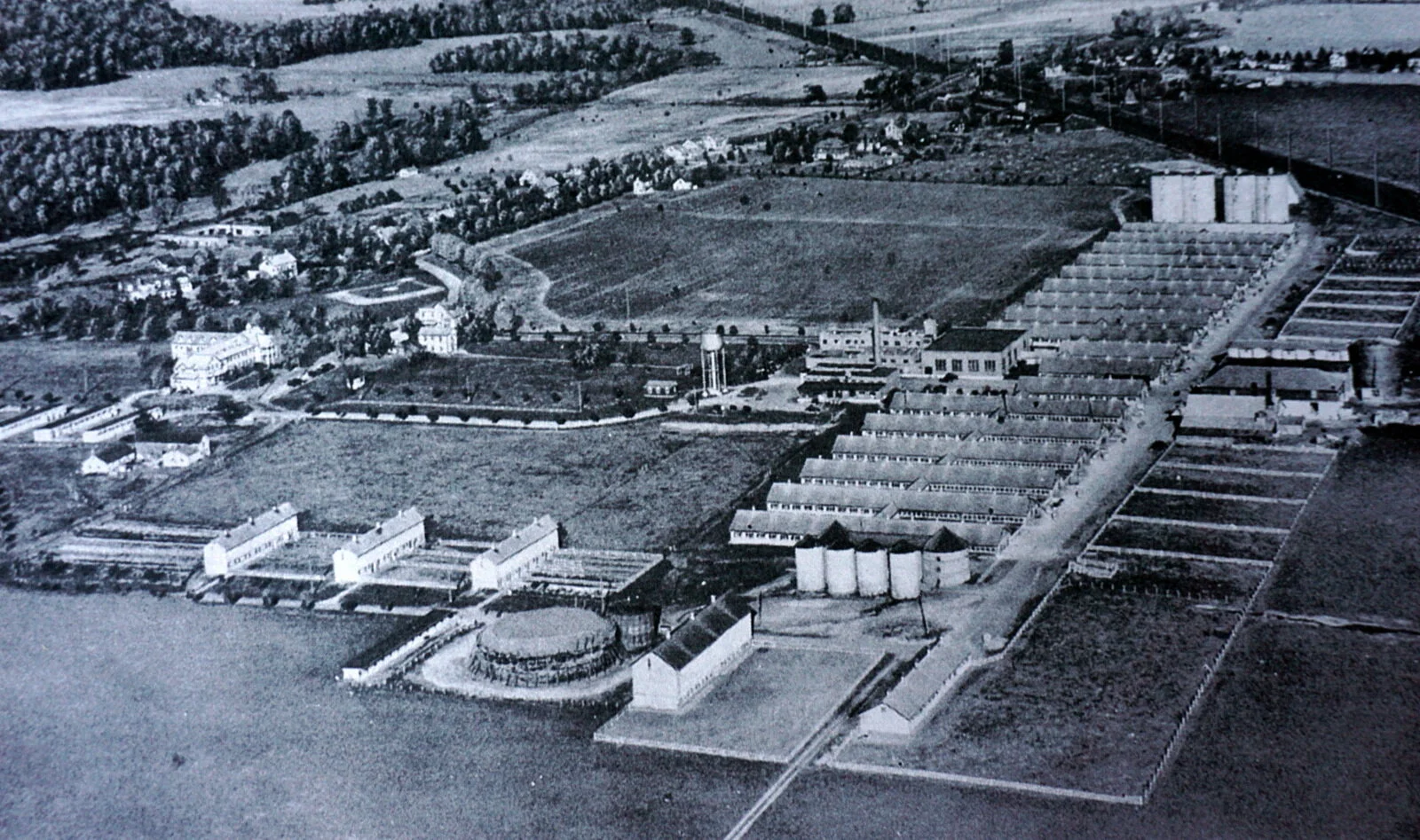
Aerial view of Walker Gordon Laboratories and Dairy in Plainsboro, New Jersey.

Aerial view of Walker Gordon Laboratories and Dairy in Plainsboro, New Jersey.

Certified Medical Milk

Humans have had a long and successful history with raw milk for at least 10,000 years. Ancient peoples who consumed milk had a competitive advantage over those that did not have a steady source of readily available food, such that the reproductive capacity and/or survivability of ancient raw milk drinkers was substantially increased compared to non-milk-drinking populations.

After numerous millennia flourishing with raw milk, mankind’s relationship with raw milk took a wrong turn. By the mid-1800’s in America, some raw milk production had shifted away from farms and into highly-populated cities. Big cities did not have pastures or clean water, and the cows in city dairies were kept in filthy conditions with poor nutrition and poor animal health. Many of these cows were fed byproducts from alcohol distilleries, leading to illness in the cows. Raw milk had become a source of deadly diseases such as tuberculosis, typhoid, diphtheria, and scarlet fever. 

In the late 1800's, it was recognized that raw milk being produced in these conditions was dangerous, and two solutions were proposed.  Pasteurization was ushered in to address filthy conditions and unhealthy cows in cities.  It answered the question of how to commercialize dirty milk, rather than spending the time and energy it would take to produce clean milk from healthy cows. The other solution was to actually produce the milk in hygienic conditions with healthy animals.  

It was known that raw milk was a superior source of nutrition for infants and children, so the American Association of Medical Milk Commissions (AAMMC) was established in the late 1800's by Dr Henry Coit to ensure a supply of safe raw milk. The AAMMC was in operation for nearly a century, certifying medical raw milk for use in hospitals and for feeding infants and children.  

“The requirements of the New York Commission at that time were: ‘That the milk should contain 4 to 4.5 percent fat; that it should be free from pathogenic germs; and that the total number of bacteria should not be excessive. The milk was to be delivered in bottles and not over 24 hours old. It should be from healthy cows.”

~Walker-Gordon: One of a Kind

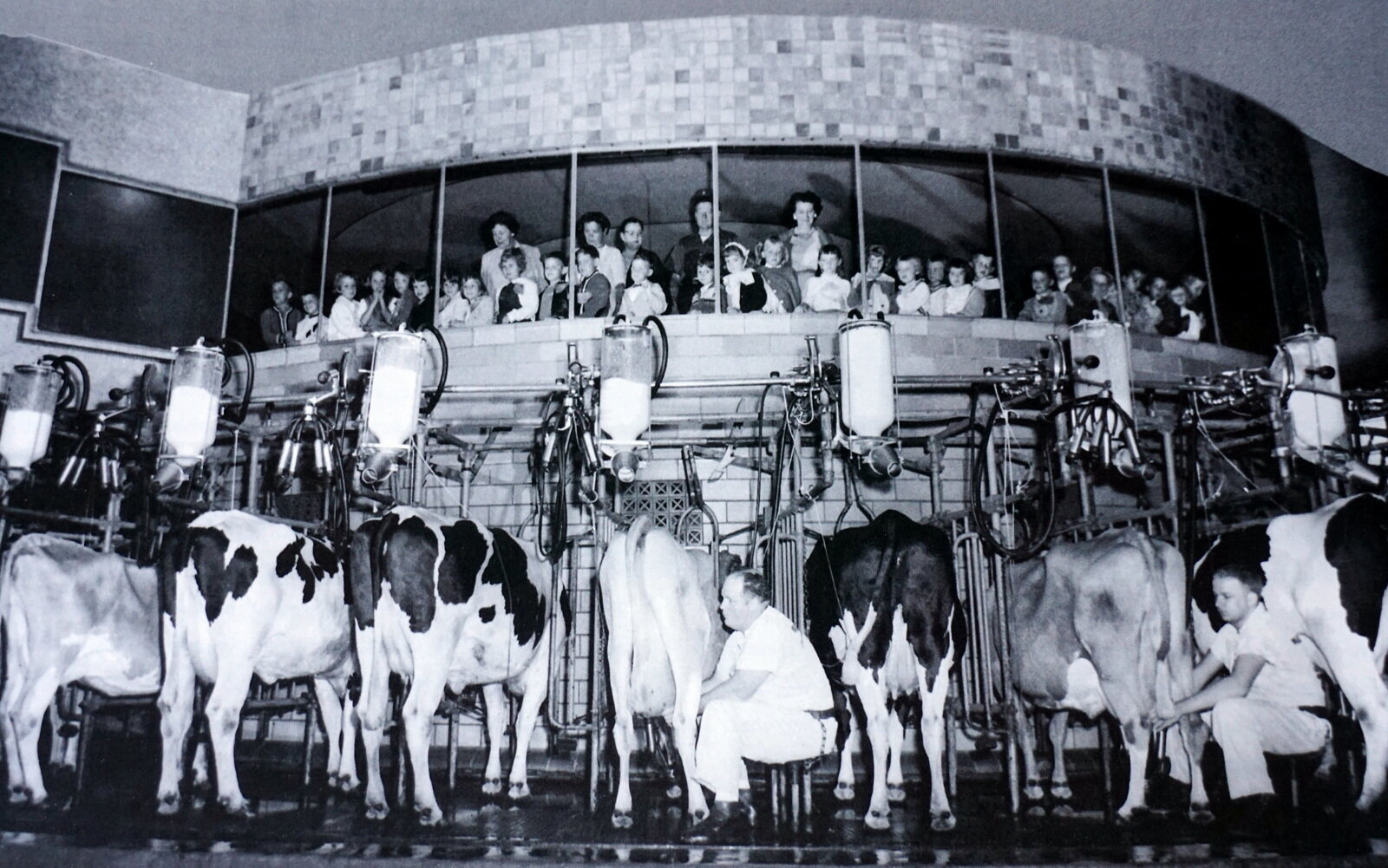
Walker Gordon’s Rotolactor in operation. School buses, tour buses, and families accounted for approximately 250,000 visitors annually.

Walker Gordon’s Rotolactor in operation. School buses, tour buses, and families accounted for approximately 250,000 visitors annually.

Walker-Gordon Dairy and Dr Edward Tindall DVM

IMG-5424.jpg

The Walker-Gordon dairy farm was a preeminent source of Certified Raw Milk for over 70 years.  Edward Tindall’s father worked at the Walker-Gordon farm, and he himself worked at the farm for several summers.  Edward went on to become a practicing veterinarian in New Jersey for nearly 40 years, and also developed implantable microchip technology for animals. The Raw Milk Institute is pleased to have Edward Tindall DVM on our Advisory Board.

In the late 1990’s, Edward co-authored a book about the Walker-Gordon farm titled Walker-Gordon: One of a Kind. Edward was kind enough to share more information about this extraordinary farm in a written interview. 

1.      Can you tell us about what made Walker-Gordon dairy farm so special?

Walker-Gordon was never intended to be just a dairy. The actual name was Walker-Gordon Laboratory Company, imprinted on their bottles and responsible for numerous innovations in the field of dairy. Among these were the first rotary centralized milking parlor, milking 1650 head. 50 cows were milked at a time (every 12 and a half minutes or one revolution) on the ʻRotolactorʼ.

The milk was immediately refrigerated, and if intended for the Philadelphia, New York or Boston market, shipped within hours from a refrigerated box car of the Pennsylvania Railroad on a siding adjacent to the milking parlor.

The cows were attended 24 hours a day by herdsmen in 50 cow barns with constant attention to keeping the cows bedded on fresh peanut shell bedding and groomed, with ever present fresh water on demand, fed grain and excellent alfalfa hay year-round.

Other innovations were the addition of irradiated yeast to feeding regimens to enhance vitamin D (prophylaxis against childhood rickets), production of acidophilous milk for enteric health, harvesting crops at prime time for storage regardless of weather conditions, use of byproducts (fecal waste) for garden fertilizers, artificial insemination, crop production by cooperative farms under control and supervision of central organization, and extensive record keeping of health and productivity of each cow.

Bottling was done immediately adjacent to the Rotolactor. The milk, "certified and unpasteurized," was not exposed to anything but sterilized stainless steel and glass.

Bottling was done immediately adjacent to the Rotolactor. The milk, "certified and unpasteurized," was not exposed to anything but sterilized stainless steel and glass.


2.     What production and milking practices were used to keep the milk safe for people?

Cleanliness was ever a constant protocol. The cows were pre-washed with warm water prior to entering the milking parlor. There they were toweled by attendants in white uniforms, attached to sterilized stainless steel milkers, and the milk fed to Pyrex glass containers and delivered through stainless steel pipes to the bottling plant adjacent to the milking platform.

All milking personnel had weekly examinations and throat cultures by the local physician. Milk was routinely cultured in an on-site laboratory for bacterial counts and pathogens.


3. Since you were employed there for a time, tell us about what you did and what it was like to work there?

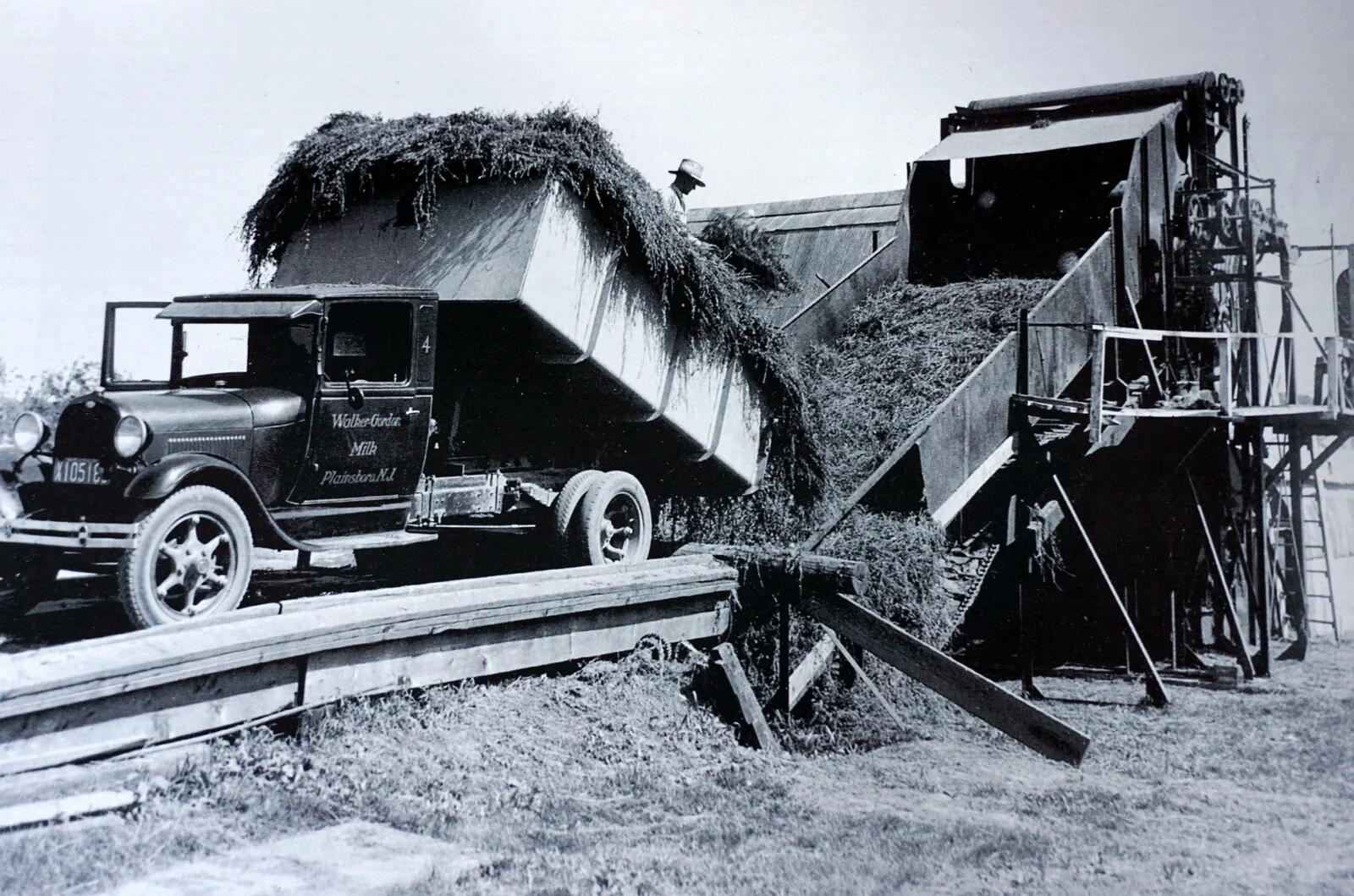
My employment was several summers working on maintenance and the storage of alfalfa hay. During haying season the crop was harvested at prime time regardless of the weather. Chopped in the field, blown into stake bodied trucks and delivered to the massive dehydrators, it was compressed into 110 to 130 pound bales around the clock. Starting a 7:00 am, the hay was stored in large barns, often in 120 degree summer temperatures.

Hay being delivered to the dehydrator for preservation. In later years, it was chopped into more manageable size for compression and baling.

Hay being delivered to the dehydrator for preservation. In later years, it was chopped into more manageable size for compression and baling.

4.    What kind of milk did this dairy produce?

Walker-Gordon produced Grade A, whole milk, unpasteurized of the highest quality the industry has ever known, from its inception in the earliest years of the twentieth century until it stopped production in 1971.

“For those of us who grew up with the taste of fresh, really fresh, whole milk, unadulterated in any manner except to chill it ice cold, today’s milk is a sad replacement…

 The unequaled taste of an ice cold half pint of milk, the cream layered on the top, after working several uninterrupted hours in excessively hot temperatures… I have yet to equal that flavor…”

~Walker-Gordon: One of a Kind

5.     Who were the usual customers for this milk?

The customers were the general public locally, with home delivery, and public markets from Washington, DC to Boston, Ma. A renowned quality product hailed for freshness and longevity, it had a very loyal consumer base. President Franklin Delano Roosevelt, when traveling abroad by ship, insisted that Walker-Gordon milk and cream be available, on board, for the trip.

6.    What was the safety record of this dairy that operated for about 8 decades up until 1971?

The safety record of Walker-Gordon milk and milk products was above reproach and I can find no instances (nor have I heard of any) of any untoward or adverse instances of health problems or lawsuits. Safety of personnel was extremely good. Farm accidents are ever present and WG had some, but fewer than would be expected.

“Cheaper milk from the heartland of America, increased labor costs, higher taxes, wages, and insurances, difficulty in attracting farm labor, the sky-rocketing value of land, and pressure for housing for an increasing and increasingly affluent population all contributed to the demise of farming in general, in New Jersey and elsewhere, and in particular to Walker-Gordon with its emphasis on high quality, first and foremost.”

~Walker-Gordon: One of a Kind

7.     What future potential do you see for raw milk dairy farming?

Prognostications of the future of raw milk dairy farming is fraught with the same magnitude of variables as the future of the country. I would like to believe that the future is positive, for indeed, I can think of no more beneficial product than clean, wholesome, properly handled raw milk that is fresh from the cow and unaltered by pasteurization or other untoward handling.

The vicissitudes of government and the legal profession, swayed by propaganda and functioning under ignorance of biology and a mindset that excludes information that does not align with biased public opinion is a very large hurdle to clear. As long as there is a discerning public with the economic wherewithal to acquire a quality product, the market is assured. I admire the efforts of individuals such as Dr. Joseph Heckman and Mark McAfee that take up the torch, live and advocate the premise, and forward such a noble cause.

Paving the Way with Safe Raw Milk

The Walker-Gordon dairy was certainly an exceptional dairy. Walker Gordon’s eight decades of safe raw milk production are an imminent example of what can be achieved through dedication and innovation.  At its peak, the Walker-Gordon dairy was producing 6,500 gallons of milk daily. Through hygienic practices and regular bacteria testing of its milk, Walker Gordon dairy was able to provide safe raw milk for thousands of people over several generations.

The last Certified Medical Milk dairy in the USA was Alta Dena dairy in Los Angeles, California.  Alta Dena produced its last quart of raw milk in May of 1999. With the end of the American Association of Medical Milk Commissions and their certification of raw milk dairies, there was a great need for leadership in safe raw milk.

The Raw Milk Institute (RAWMI) was created to fulfill this need.  RAWMI teaches well-established scientific principles and good production methods to assist farmers in producing hygienic, safe raw milk. Through its LISTING program, RAWMI assists farmers in developing risk analysis and management plans (RAMP) for their unique farms. RAWMI’s Common Standards have set an international benchmark for bacterial testing of raw milk.

Edward Tindall’s book, “Walker-Gordon: One of a Kind” is available from Covered Bridge Press, 39 Upper Creek Road, Stockton, New Jersey 08559 at $25 dollars per copy, plus USPS shipping. Covered Bridge Press can be reached at 908-996-4420.

Walker-Gordon: One of a Kind. Book by Edward Tindall, DVM.

Walker-Gordon: One of a Kind. Book by Edward Tindall, DVM.

Why Raw Milk Standards Matter

3 steps.png

Back in 2011 before the Raw Milk Institute (RAWMI) was formed, there were no universal standards for safe raw milk production. Consumer demand for raw milk was expanding, as people learned about the health benefits of raw milk as well as the negative effects of pasteurization. There was a growing body of evidence that children who drink raw milk have decreased rates of asthma, allergies, eczema, ear infections, fever, and respiratory infections. Whereas pasteurized milk is a top food allergen and difficult to digest, raw milk is actually a health-supporting food with rich therapeutic potential that is easily digested by most consumers. Yet, standards for raw milk varied widely from state to state and country to country. 

The occasional foodborne illness outbreaks that could be tied to raw milk continued to tarnish raw milk’s reputation.  And worse yet, some of these outbreaks actually led to life-threatening illnesses. As raw milk’s popularity grew, it was being consumed by a wider segment of the population including immune-compromised people. Whereas average healthy people are likely to have relatively mild symptoms from exposure to foodborne pathogens, immune-compromised people are more likely to have severe symptoms.

Perfectly Safe Food?

It is important to note that there is no such thing as a perfectly safe food. A CDC analysis of foodborne illnesses from 2009-2015 showed that the top food categories commonly linked to illnesses were chicken, pork, and seeded vegetables. Multi-state foodborne illness outbreaks have been linked to foods ranging from unpasteurized apple juice to ground beef to soy nut butter to lettuce.

Pasteurized milk is not perfectly safe, either, and is implicated in foodborne illnesses and outbreaks every year.  Although a wide range of foods including meats and vegetables are known to have the potential for causing foodborne illnesses, only raw milk is targeted by government regulators as a food to be completely avoided. Countries such as Canada and Australia currently have complete bans on raw milk.

Raw Milk Institute Method for Safe Raw Milk

The Raw Milk Institute was founded in 2011 to advance the cause of safe raw milk.  The numerous health benefits of raw milk make it an essential food, which is too important to be allowed to be systematically suppressed by regulators and government agencies. RAWMI sought to better understand the important factors in ensuring that raw milk was safe to consume.

In 2011-12, RAWMI brought together a diverse international group with the purpose of establishing standards for safe raw milk. This group included medical doctors and epidemiologists, nutritional consultants, veterinarians, food safety scientists, raw milk farmers, and raw milk consumers. This collaborative group developed the Raw Milk Institute Common Standards, which were initially released in 2012. 

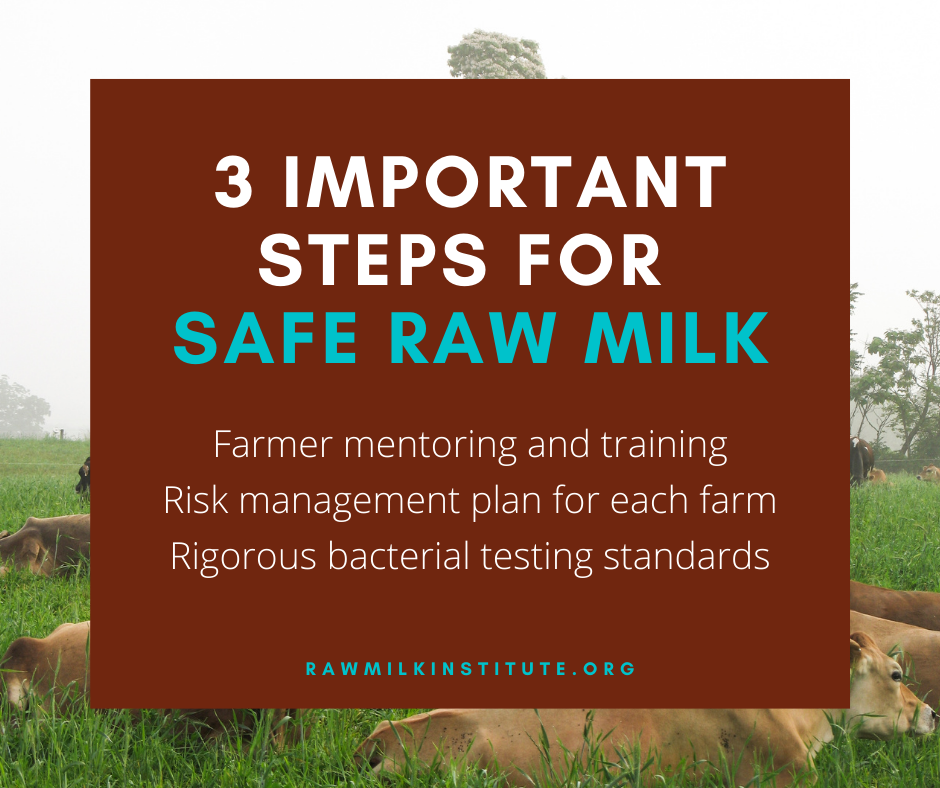
The RAWMI Common Standards describe a three-pronged approach for the production of safe raw milk which consists of:

  • Farmer training and mentoring

  • Risk Analysis and Management Plan (RAMP) for the unique conditions on each individual farm

  • Stringent yet achievable bacterial test standards for coliforms and Standard Plate Count (SPC)

The Common Standards Work!

Since their release in 2012, the RAWMI Common Standards have become a foundational part of low-risk raw milk production across North America. When farmers are well-trained, use careful production practices as laid out in their individual RAMP, and perform ongoing bacterial testing of their milk, they can produce raw milk that is ultra-low-risk.

Researchers from Canada and Europe have studied the safety of raw milk intended for direct human consumption, and have specifically considered milk from farms who implement the RAWMI Common Standards. They have found that carefully produced raw milk is a low-risk food which is fundamentally different from pre-pasteurized milk. The implementation of the RAWMI Common Standards has led to a significant reduction in raw milk-related illnesses and outbreaks.

The table below contrasts pathogen test data from pre-pasteurized milk vs. raw milk intended for direct human consumption.  As illustrated in the table, pathogen testing of pre-pasteurized milk samples has detected pathogens in up to 33% of samples.  In contrast, there were zero pathogens detected in thousands of milk samples from raw milk intended for direct human consumption. It is clear from this test data that pre-pasteurized milk is categorically different from raw milk intended for direct human consumption.

Common Standards and RAMP 2020 Update

Knowledge about safe raw milk is continually advancing. With the review of the RAWMI Advisory Board and LISTED farmers, the RAWMI Common Standards and RAMP have recently been updated to include the latest information about best practices in raw milk production. The updated Common Standards and RAMP are also now inclusive of other dairy animals such as goats and sheep. The 2020 Common Standards and RAMP are available here:

2020 RAWMI Common Standards
2020 RAWMI Risk Analysis and Management Plan
IMG_0611.JPG

Antibiotic Resistant Genes in Raw Milk - What Does the Data Really Mean?

antibiotic resistant genes.png

Government-Funded Study Finds ZERO Pathogens in Raw Milk Samples!

That’s what the headlines should have read.

Instead, the study was titled, “Reservoirs of antimicrobial resistance genes in retail raw milk” [1]. The study, funded by the National Institutes of Health (NIH) and the United States Department of Agriculture (USDA), was not able to find any pathogens in raw milk. So instead they focused on trying to create fear of antibiotic resistant genes which were found to proliferate when raw milk was allowed to sit at room temperature for hours.  

Antibiotic Resistant Genes are Ubiquitous

Antibiotic resistant genes are everywhere. They’ve been found in every environment, including pristine habitats that have been virtually untouched by humans such as Antarctica [2, 3].  They’re even found in the dust of buildings [4].

“Antibiotics are ancient, dating back hundreds of millions of years. Resistance is therefore equally ancient, and the number of genes in the resistome is a reflection of the continuous co-evolution of small molecules in natural environments and microbial genomes.”  

-Gerard Wright, Nature Reviews Microbiology 2007 [3]

Given that they are ubiquitous in the environment, it is no surprise that there are antibiotic resistant genes in many foods [5]. Breast milk, too, contains antibiotic resistant genes carried on bacteria found in the raw breast milk [6].

Breastmilk and Antibiotic Resistant Genes

Researchers in Helsinki found that, even though breast milk contains antibiotic resistant genes, babies who were breast fed actually have less antibiotic resistant genes in their guts than babies who weren’t breastfed or who terminated breastfeeding early [7].  Researchers attribute this benefit to the fact that breastmilk promotes the growth of beneficial bacteria such as bifidobacteria, which can then outcompete the bacteria carrying antibiotic resistant genes. Like breast milk, cow’s milk has also been shown to support the growth of bifidobacterial [8]. 

Potential Dangers of Antibiotic Resistant Genes

Antibiotic resistant genes can pose potential health threats in specific circumstances. When antibiotics are taken, the intestinal microbiome is disrupted as both beneficial and harmful bacteria are killed off. This weakens our immune systems overall [9]. If there are antibiotic resistant bacteria present in the gut, taking antibiotics actually allows these bacteria to proliferate in the absence of competing bacteria. There can then be infection or illness which is not able to be respond to antibiotics. Antibiotic resistance is now responsible for the deaths of tens of thousands of people every year in the USA alone [10].

For example, C. diff. colitis (clostridium difficile colitis) is infection of the colon that results from disruption of the healthy bacteria in the gut, usually as a result of taking antibiotics. C. diff. can cause diarrhea, abdominal pain, fever, bloody stools, kidney failure, and even death. One of the best treatment options for severe C. diff. infections is fecal transplant. Severely ill C. diff. patients have a 92% cure rate from fecal transplants, which provide a healthy flush of poop from a healthy human donor into the colon [11]. The fecal transplant recolonizes the gut with healthy bacteria.

Zero Pathogens in Raw Milk Samples

Coming back to the study funded by the NIH and USDA [1], researchers found that antibiotic resistant genes proliferated in raw milk that was allowed to sit at room temperature for hours.  Their research showed that raw milk which was kept refrigerated had low levels of antibiotic resistant genes.  What this actually demonstrates is that raw milk from around the country is being produced very cleanly, resulting in low bacteria counts.

Most of the potential beneficial bacteria to be found in milk is from either fecal or soil origin. Yes…dirt is very good for you and a little poop does not hurt either [12]. It has long been understood that living in a farm environment has substantial health benefits over living in urban environments [13]. However, in our modern world with immune-compromised consumers, the raw milk standards have had to change.

For raw milk to be legal for sale and safe for the general public (including immune-compromised people), it must be very hygienic. It can no longer have dirt or poop in it. So, all that is left is clean, delicious, safe raw milk from deep inside the cow’s or goat’s udder. The government-funded study tested retail raw milk samples and they found ZERO pathogens! This should be celebrated as true progress towards farm cleanliness and testing.

“[Raw] milk samples in the present study were screened for Listeria spp., Salmonella enterica, and E. coli O157:H7. None were detected.”

-Liu et al. Microbiome 2020 [1]

Fermenting Raw Milk

For thousands of years, people have known how to ferment or “clabber” raw milk by simply leaving it at room temperature instead of refrigerating it.  In the absence of refrigeration, traditional cultures often consumed raw milk in fermented form [14]. Such milk would have contained ample beneficial lactic acid bacteria from the small amounts of dirt or manure that would have been present on the udders and teats of the milk animals, and would therefore quickly ferment at room temperature. 

In modern times, people have largely lost their taste for spontaneously fermented, sour raw milk. Raw milk farmers and consumers aim to maintain the sweet flavor of fresh milk as long as possible. The farmers do this by thoroughly cleaning the udders and milking equipment to ensure the milk will have low bacteria counts [15], as well as by rapidly chilling the milk and keeping it cold.  Consumers, too, work to make sure their raw milk is kept cold, even during transport.  Keeping raw milk cold allows it to retain its sweet taste and gives it a longer shelf life.

One useful point of information from the government-funded study was the finding that “spontaneous fermentation does not grow beneficial lactic acid bacteria”. This means that the very clean, low-bacteria count raw milk which is currently available in the USA may not ferment very well in the traditional way. The flavor of spontaneously fermented raw milk is not generally palatable to the modern raw milk consumer. Thus, most raw milk consumers actually work to make sure that their raw milk does not ferment and stays fresh and sweet.

Generally, raw milk consumers who intentionally ferment their milk will do so by adding beneficial bacteria such as yogurt starter or kefir grains. Kefir, in particular, is associated with a wide number of health benefits including lower blood pressure, decreased insulin resistance, tumor suppression and prevention, and improved composition of the gut microbiota [16-19].

The Bottom Line

The NIH and USDA-funded study found no pathogens in raw milk. This is further confirmation of the findings published in the January 2020 Journal of Epidemiology and Infection which concluded that “raw milk can be produced with a high level of hygiene and safety” [20].

The government-funded study focused on antibiotic resistant genes which can proliferate in raw milk that is left at room temperature for hours. However, it is no surprise that raw milk, like breastmilk and many other foods, contains antibiotic resistant genes. The presence of antibiotic resistant genes is not an issue unless the balance of good bacteria in the gut gets disrupted. Both breastmilk and raw milk are known to promote the growth of beneficial bacteria such as bifidobacteria. The study completely ignored the growing body of evidence that has shown that children who drink raw milk have decreased rates of asthma, allergies, eczema, ear infections, fever, and respiratory infections [21-23].

The best way to beat antibiotic resistant bacteria is to protect and nourish the biodiverse bacteria in the gut. You can do this by avoiding antibiotics and processed foods, which damage the gut and immune system [24, 25]. Instead, eat plenty of whole foods such as raw milk, milk kefir, grassfed beef, eggs, and fresh or fermented vegetables and fruits to feed the beneficial bacteria in the gut and allow it to thrive [26].

milk.png

References

[1] Liu, J., Zhu, Y., Jay-Russell, M. et al. (2020) Reservoirs of antimicrobial resistance genes in retail raw milk. Microbiome 899 (2020). https://doi.org/10.1186/s40168-020-00861-6

[2] Durso LM, Miller DN, Wienhold BJ (2012) Distribution and Quantification of Antibiotic Resistant Genes and Bacteria across Agricultural and Non-Agricultural Metagenomes. PLOS ONE 7(11): e48325. https://doi.org/10.1371/journal.pone.0048325

[3] Wright, G. (2007) The antibiotic resistome: the nexus of chemical and genetic diversity. Nat Rev Microbiol 5175–186 (2007). https://doi.org/10.1038/nrmicro1614

[4] Ben Maamar S, Glawe AJ, Brown TK, Hellgeth N, Hu J, et al. (2020) Mobilizable antibiotic resistance genes are present in dust microbial communities. PLOS Pathogens 16(1): e1008211. https://doi.org/10.1371/journal.ppat.1008211

[5] Fogler K, Guron GKP, Wind LL, Keenum IM, Hession WC, Krometis L-A, Strawn LK, Pruden A and Ponder MA (2019) Microbiota and Antibiotic Resistome of Lettuce Leaves and Radishes Grown in Soils Receiving Manure-Based Amendments Derived From Antibiotic-Treated Cows. Front. Sustain. Food Syst. 3:22. doi: 10.3389/fsufs.2019.00022

[6] Pärnänen, K., Karkman, A., Hultman, J. et al. (2018) Maternal gut and breast milk microbiota affect infant gut antibiotic resistome and mobile genetic elements. Nat Commun 93891. https://doi.org/10.1038/s41467-018-06393-w

[ 7] Ravindran S. (2019) Breastfeeding May Help Protect Babies from Antibiotic-Resistant Bacteria. SPLASH! milk science update: January 2019 Issue. https://milkgenomics.org/article/breastfeeding-may-help-protect-babies-from-antibiotic-resistant-bacteria/

[8] Rova S, Rada V, Marsik P, Vlkova E, Bunesova V, Sklenar J, Splichal I. (2011) Growth of bifidobacteria and clostridia on human and cow milk saccharides. Anaerobe 17(5). https://doi.org/10.1016/j.anaerobe.2011.07.009.

[9] McAfee M, Smith S. (2020) Immunity, the Immune System, and Raw Milk. Raw Milk Institute website. https://www.rawmilkinstitute.org/updates/immunity-the-immune-system-and-raw-milk

[10] Centers for Disease Control and Prevention. (2019) More People in the United States Dying from Antibiotic-Resistant Infections than Previously Estimated. CDC website. https://www.cdc.gov/media/releases/2019/p1113-antibiotic-resistant.html

[11] Brandt L. J. (2012). Fecal transplantation for the treatment of Clostridium difficile infection. Gastroenterology & hepatology, 8(3). https://www.ncbi.nlm.nih.gov/pmc/articles/PMC3365524/

[12] Akst, J. (2020) The influence of soil no immune health. The Scientist website. https://www.the-scientist.com/news-opinion/the-influence-of-soil-on-human-health-66885

[13] Wells, AD, Poole JA, and Romberger DJ. (2014) Influence of farming exposure on the development of asthma and asthma-like symptoms. International immunopharmacology, 23(1), 356–363. https://doi.org/10.1016/j.intimp.2014.07.014

[14] Levi, J. (2014) The Smoke Cured Fermented Milk of the Samburu. Presentation at Wise Traditions London 2014. https://westonaprice.london/videos/samburu/

[15] Smith, S. (2020) Udder Preparation for Raw Milk. Raw Milk Institute website. https://www.rawmilkinstitute.org/updates/udder-preparation-for-raw-milk

[16] Bourrie BC, Willing BP, and Cotter PD. (2016) The Microbiota and Health Promoting Characteristics of the Fermented Beverage Kefir. Frontiers in microbiology, 7, 647. https://doi.org/10.3389/fmicb.2016.00647

[17] Bellikci-Koyu E, Sarer-Yurekli BP, Akyon Y, Aydin-Kose F, Karagozlu C, Ozgen AG, Brinkmann A, Nitsche A, Ergunay K, Yilmaz E, and Buyuktuncer Z. (2019) Effects of Regular Kefir Consumption on Gut Microbiota in Patients with Metabolic Syndrome: A Parallel-Group, Randomized, Controlled Study. Nutrients, 11(9), 2089. https://doi.org/10.3390/nu11092089

[18] Guzel-Seydim ZB, Kok-Tas T, Greene AK, Seydim AC. (2011) Review: functional properties of kefir. Crit Rev Food Sci Nutr. 51(3):261-268. doi:10.1080/10408390903579029

[19] de Oliveira Leite AM, Miguel MA, Peixoto RS, Rosado AS, Silva JT, and Paschoalin VM. (2013) Microbiological, technological and therapeutic properties of kefir: a natural probiotic beverage. Brazilian journal of microbiology : [publication of the Brazilian Society for Microbiology], 44(2), 341–349. https://doi.org/10.1590/S1517-83822013000200001

[20] Berge AC, Baars T. (2020) Raw milk producers with high levels of hygiene and safety. Epidemiology and Infection. 148:e14. doi:10.1017/S0950268820000060

[21] Loss G, Apprich S, Waser M, Kneifel W, Genuneit J, Büchele G, Weber J, Sozanska B, Danielewicz H, Horak E, Joost van Neerven RJ, Heederik D, Lorenzen PC, von Mutius E, Braun-Fahrländer C; GABRIELA study group. (2011) The protective effect of farm milk consumption on childhood asthma and atopy: The GABRIELA study. Journal of Allergy and Clinical Immunology. 128 (4): 766-73. https://www.jacionline.org/article/S0091-6749(11)01234-6/fulltext

[22] Perkin MR and Strachan DP. (2006) Which aspects of the farming lifestyle explain the inverse association with childhood allergy? Journal of Allergy and Clinical Immunology. 2006; 117 (6):1374-81. https://www.jacionline.org/article/S0091-6749(06)00651-8/fulltext

[23] Loss G, Depner M, Ulfman LH, Joost van Neerven RJ, Hose AJ, Genuneit J, Karvonen M, Hyvärinen A, Kaulek V, Roduit C, Weber J, Lauener R, Pfefferle PI, Pekkanen J, Vaarala O, Dalphin JC, Riedler J, Braun-Fahrländer C, von Mutius E, Ege MJ; PASTURE study group. (2015) Consumption of unprocessed cow's milk protects infants from common respiratory infections. Journal of Allergy and Clinical Immunology.  135 (1): 56-62. https://www.jacionline.org/article/S0091-6749%2814%2901274-3/fulltext

[24] Watanabe K, Gilchrist CA, Uddin J, Burgess SL, Abhyankar MM, Moonah SN, Noor Z, Donowitz JR, Schneider BN, Arju T, Ahmed E, Kabir M, Alam M, Haque R, Pramoonjago P, Mehrad B, Petri WA. (2017) Microbiome-mediated neutrophil recruitment via CXCR2 and protection from amebic colitis. PLOS Pathogens; 13 (8): e1006513 DOI: 10.1371/journal.ppat.1006513

[25] Paula Neto HA, Ausina P, Gomez LS, Leandro JGB, Zancan P, Sola-Penna M. (2017) Effects of Food Additives on Immune Cells As Contributors to Body Weight Gain and Immune-Mediated Metabolic Dysregulation. Front Immunol.8:1478. doi:10.3389/fimmu.2017.01478

[26] McAfee M. (2020) Build Immune System Strength With Whole Foods: Drink Raw Milk! Raw Milk Institute website. https://www.rawmilkinstitute.org/updates/whole-foods-build-immune-system-strength

FAQ About Raw Milk and COVID19

RAW MILK RISK MANAGEMENT WORKS!

coli and spc.png

There is a growing body of evidence that raw milk is a low-risk food when it is produced carefully and intentionally. Previous papers, such as “Recent Trends in Unpasteurized Fluid Milk Outbreaks, Legalization, and Consumption in the United States,” have shown that the rate of raw milk related outbreaks is decreasing, meanwhile the consumption of raw milk is increasing.

In a new paper published in the January 2020 Journal of Epidemiology and Infection, Cat Berge and Ton Baars have investigated the use of intentional raw milk production and testing practices in the USA, Canada, and Germany. Berge and Baars compared test data from raw milk intended for pasteurization to test data from the Raw Milk Institute, the German Vorzugsmilch system, and the British Columbia Herdshare Association. The test data show that raw milk being intentionally produced for human consumption is fundamentally different from pre-pasteurized milk that is taken from bulk tanks. It was concluded that "raw milk can be produced with a high level of hygiene and safety.”

This paper provides further proof that, with farmer training, careful production practices, and ongoing testing, low-risk raw milk is achievable! This is great news, since raw milk has been shown to have protective effects against asthma, allergies, eczema, respiratory infections, ear infections, and fevers.

download paper from journal of epidemiology and infection