Raw Milk Farmers

Raw Milk Farmers from Coast to Coast and In-Between

3 farmers-teal.png

Raw milk farmers come from all walks of life. The 26 farmers who are LISTED with the Raw Milk Institute have backgrounds such as helicopter pilot, PhD scientist, electrician, and paramedic. What brings people from so many diverse areas to raw milk farming is the desire to connect with their food, create healthier lives, and provide this life-giving food to their communities.

Three new farms have recently completed the process of being LISTED by the Raw Milk Institute (RAWMI).  Becoming LISTED is much more than an administrative process. It involves one-on-one mentoring from RAWMI as each farm develops a Risk Analysis Management Plan (RAMP) for their unique conditions.  Milk bacterial testing is then used as a confirmation step to ensure that the RAMP is working well. The whole process generally takes a few months to complete.  RAWMI LISTING is the Gold Standard for low-risk raw milk production.  

Here’s an introduction to farmers from Virginia, California, and Michigan who have recently completed the LISTING process. 

A Heart for Learning – Creambrook Farm in Virginia

family.jpg

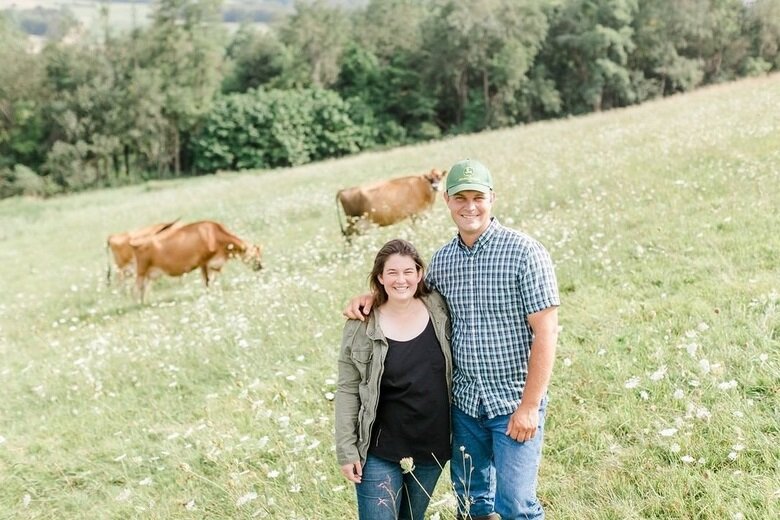
Ben and Kristen Beichler are the owners of Creambrook Farm, a thriving herdshare dairy in Virginia.  With their herd of over 100 Jerseys on 243 acres of prime Virginia farmland, the Beichler’s are able to provide nutritious grassfed raw milk to 800+ families.   

With so much success as a herdshare dairy, it might be assumed that either Ben or Kristen must have been raised on a farm. Yet, surprisingly, they are both first-generation farmers. At the heart of their success is the ability to learn from and build upon the lessons of others. After all, the Beichlers actually met while both working at Joel Salatin’s Polyface Farm back in 2010.  

Both Ben and Kristen worked on multiple grass-based farms for years, picking up lessons all along the way that would serve them well when they were finally ready to start their own farm. As their own family started to grow, Kristen settled into motherhood while Ben continued to seek farm experience through working at several grazing dairy farms, including The Family Cow in Pennsylvania.  

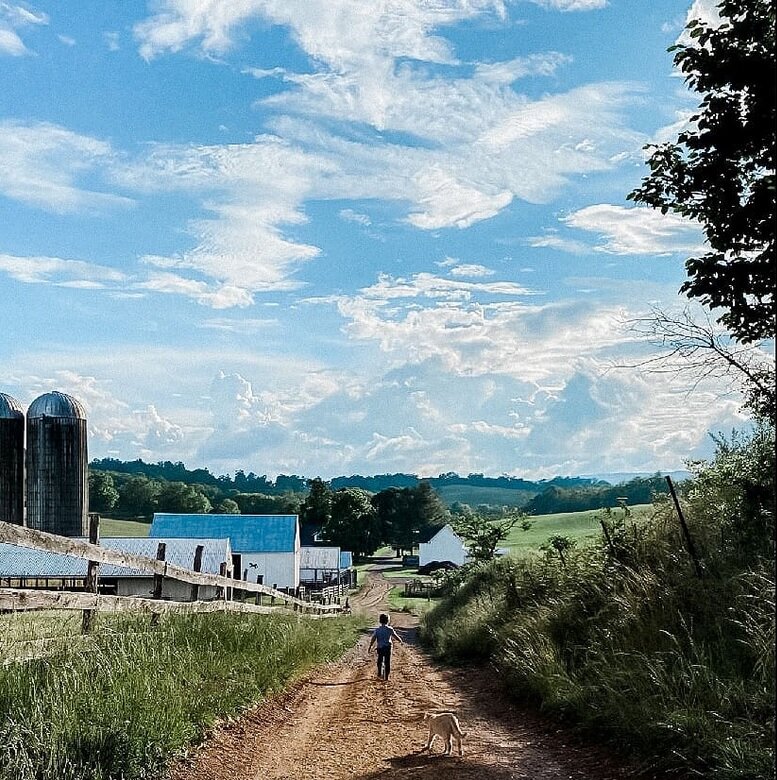
In 2017, the Beichlers and their young sons were finally able to start Creambrook Farm in Middlebrook, Virginia. Although Ben and Kristen were originally shipping most of their milk to a creamery, within a year they shifted all of their focus to growing the raw milk herdshare. Focusing on raw milk provided a way for them to generate the income necessary to raise their family while working full-time on the farm.  
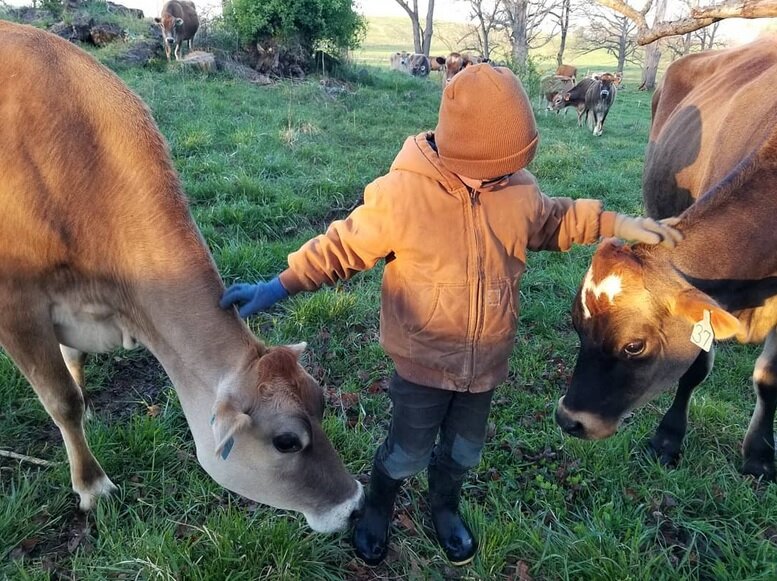
For the Beichlers and their three young sons (7-year-old James, 4-year-old Nate, and 1.5-year-old Teddy), raw milk nutrition is a vital part of their health. Ben and Kristen have seen benefits in their overall health, and raw milk has nourished Kristen throughout her pregnancies and breastfeeding.  Their three boys naturally transitioned to raw milk after weaning, and have grown to be healthy and happy with raw milk as a staple part of their diets.  

Through their large herdshare, Ben and Kristen are able to share these benefits with their community. The Beichlers are passionate about supporting their members' healthy lifestyles.  They make it easy for Virginia families to have high-quality, delicious raw milk with pick-up sites throughout over the state.

Leaving the Rat Race – Jorasz Family Ranch in Michigan

family.jpg

Growing up in Michigan, Teri Jorasz never wanted to be a farmer.  Her husband Andy worked at his family’s 300 cow commercial dairy, but Teri herself was never interested in the farming lifestyle.  Although Andy had been content to work at his family’s farm since childhood, Teri had been raised in town and never felt any pull towards farming.  She worked in sales, marketing, and customer service for decades, while she and Andy raised their four kids. 

In 2005, Teri and Andy bought a new home with farmland that could be used for growing feed for Andy’s parents’ commercial dairy. With all that extra space, Teri and Andy decided to augment their incomes with butcher animals that they could sell locally. They invested in Hereford swine breeding stock and a small herd of Red Angus cattle.  

Meanwhile, Teri’s work position increased to working 50-60 hours per week in a fast-paced environment with demanding quotas. Years of long, stressful work hours started taking their toll, and Teri felt increasingly dissatisfied with her line of work. She felt a pull to do something more meaningful, and farming started to make deep roots in her heart.   

The Jorasz’s herd of butcher animals was growing and needing more attention, and by early 2020 Teri was ready to resign from her sales job to focus on the farm right outside her window. Almost immediately after Teri resigned, everything changed with COVID.  Businesses were closing or laying off workers, there was a great demand for locally produced meats, and the Jorasz kids were suddenly thrust into homeschooling.  

Teri dove right into the full-time farming lifestyle. She realized that all her previous work and experience had perfectly prepared her to be what she had never expected to be: a farmer! Raw milk farmers often find that the skills they honed in their previous careers are gifts to their farm, and that was the case for Teri, too. 
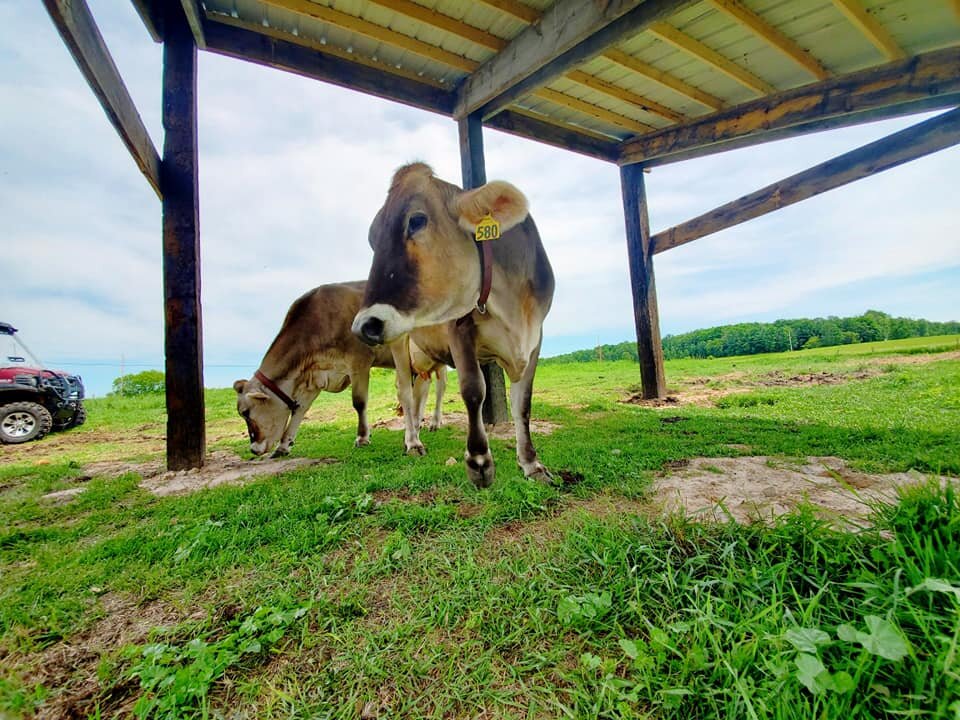
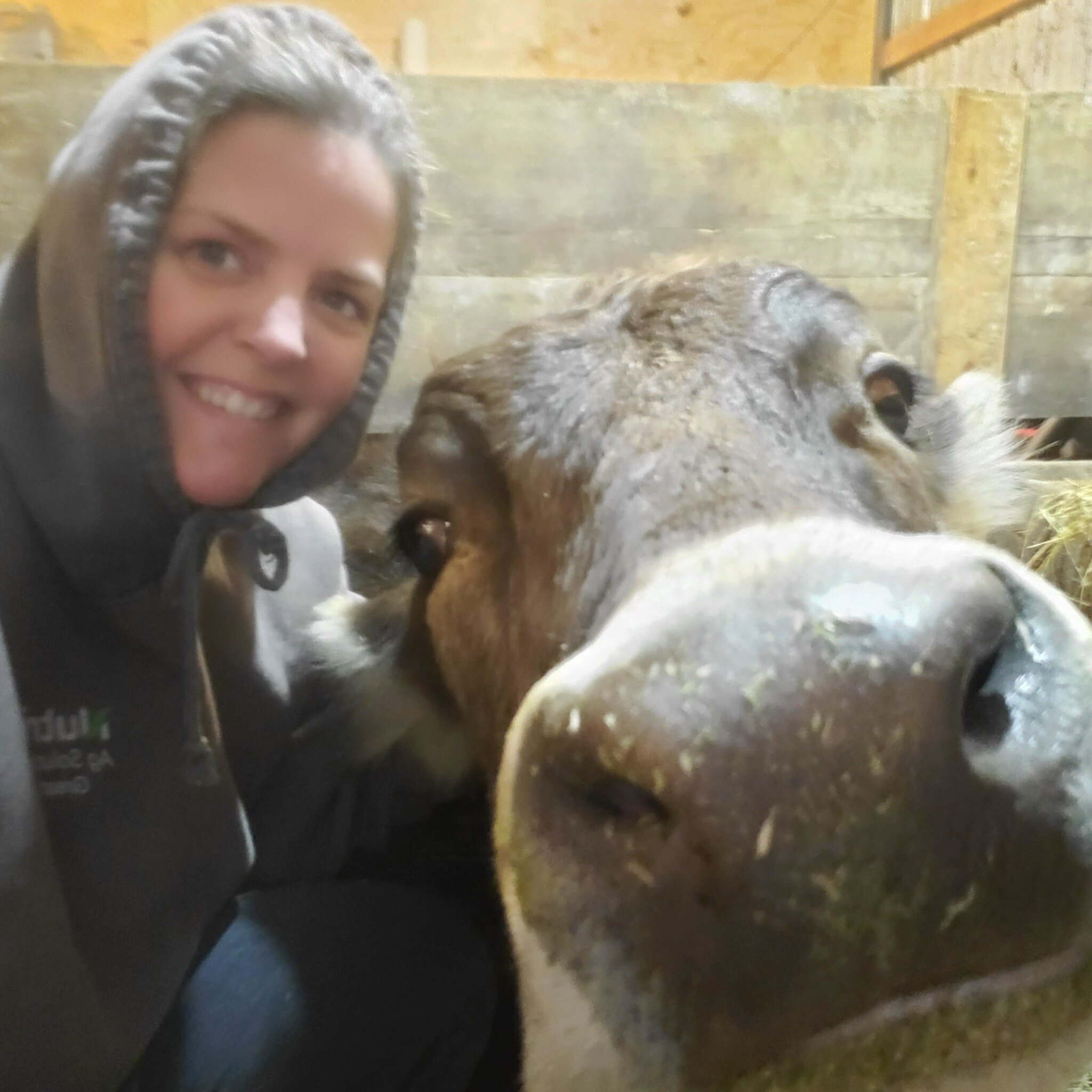
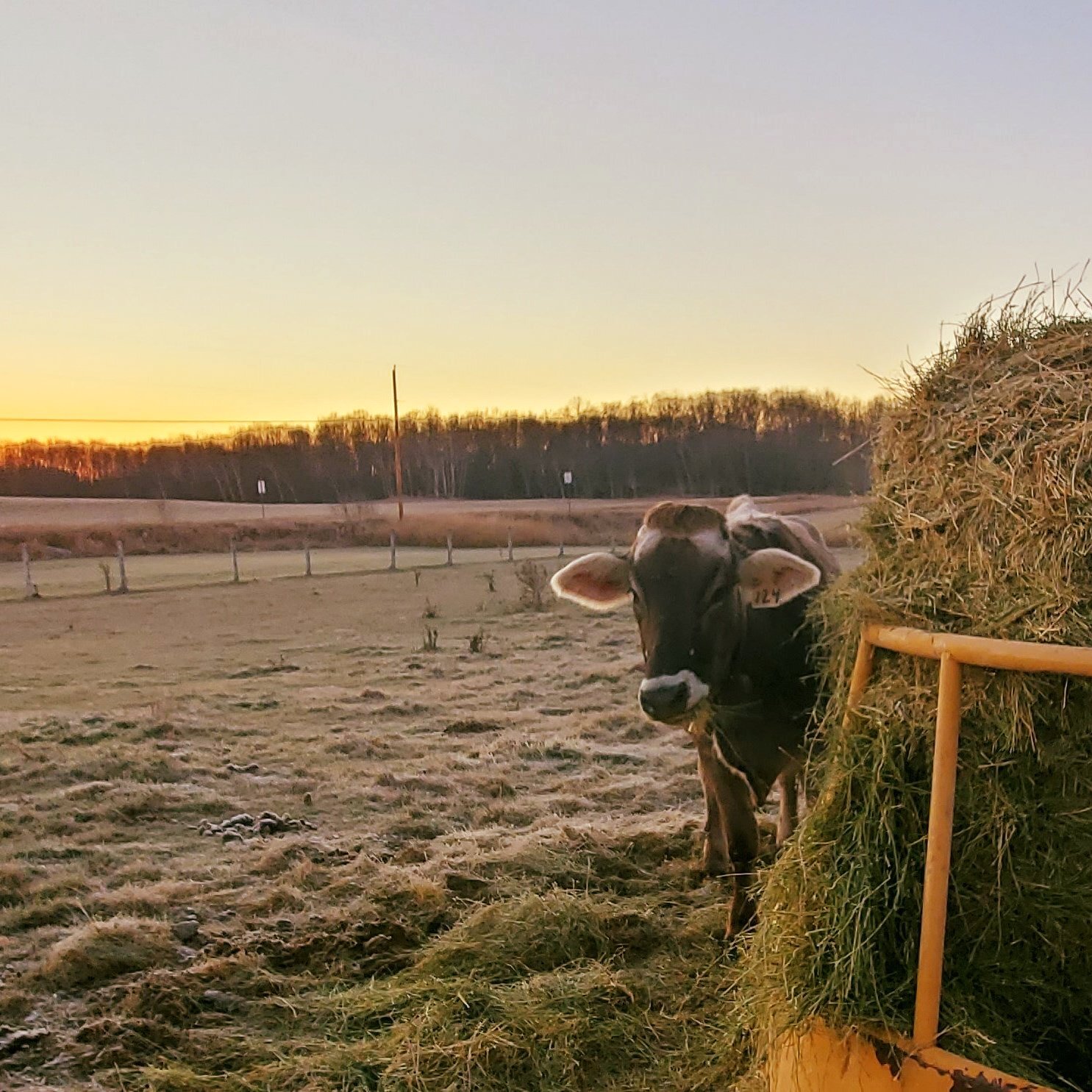
Following in the footsteps of a friend, Teri decided to embark on creating a raw milk herdshare of her own. With mentoring from Andy, Teri started her herdshare with two Brown Swiss cows in the summer of 2020. Soon, Teri’s herdshare grew to 5 cows serving 90+ herdshare members.  

Teri’s days are full, but now her heart is full, too. After feeling so dissatisfied in her sales jobs, farming was like coming home. Teri revels in being able to work at home alongside her family at the Jorasz Family Ranch.  Her raw milk herdshare is in Bark River, Michigan. 


Creating a Healthier Lifestyle for the Sake of Their Sons – Gebrüder Farm in California

2148939D-9969-4BFC-9094-33CDE96AAB8D.JPEG

John and Allison Wanninger were both born and raised in Placerville California. Growing up, John learned the “old world” way of life from his German immigrant parents.  Everything was made from scratch, and almost all of their food was grown right at home. John went on to become a machinist and welder for Gist Silversmiths, crafting belt buckles and other western products for the rodeo circuit and country western scene.

Allison grew up just down the road from the Wanninger homestead, and her family dabbled in raising animals and livestock. Allison had an immense love for animals and animal science. She developed a heart for teaching, and specialized in early childhood education with an emphasis on special education. 

John and Allison were married in 2000, and a year later they had their first son, Ethan.  By the time Ethan was 15 months old, it was clear that his development was unusual, and he was later diagnosed with autism, epilepsy, apraxia, and severe developmental delay. The Wanningers became participants in the UC Davis Mind Institute’s research on finding the connection between environmental and genetic factors that cause autism.

The researchers from UC Davis performed an exhaustive study of the environment inside and outside the Wanninger’s home, inventorying every product and food in the home and collecting samples of blood, soil, and air.  Researchers were even at the hospital to take blood samples and perform tests when the Wanninger’s second son Braden was born.

The last time the researchers visited the Wanninger home, Allison was finally able to get them to reveal some of their findings.  The researchers explained that, if they were trying to prevent autism in their own families, they would focus on eating an organic and natural diet while also removing everything unnatural from the environment (chemicals, fragrances, pesticides, and herbicides). This was a life-changing moment for the Wanningers, and from that day forward they moved to create a healthier environment for their sons to grow up in.

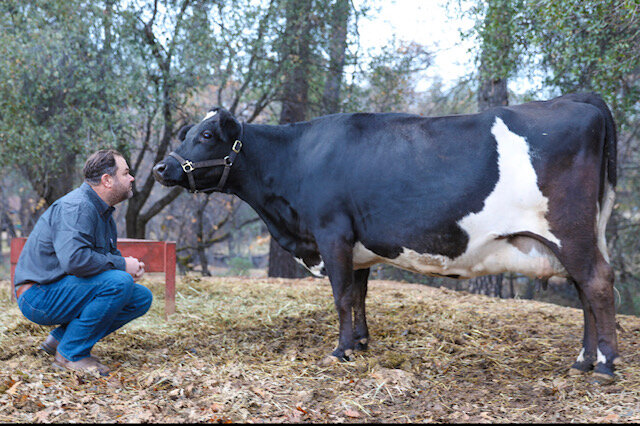
Building off of John’s own homestead upbringing, the Wanningers dove into growing and raising their own food. They eventually moved back onto the seven-acre property where John had grown up, and in just a few short years, they brought the farm back to life. They now raise heritage pigs, chickens, beef cows, and dairy cows for the health of their own family as well as the local community.

Allison and John named their farm Gebrüder, which means brothers, since their farm was born out of a desire to create healthier lives for their two sons. Gebrüder Farm serves as a beacon in their community, hosting quarterly educational events, supporting local artisans, and training interns from the local veterinary program.
Annual Report for Raw Milk Institute

pasture.png

The Raw Milk Institute (RAWMI) is on a mission to improve the safety and quality of raw milk and raw milk products through farmer training, rigorous raw milk standards, raw milk research, and improving consumer education.

RAF logo.png

In 2020, RAWMI was awarded a 2nd grant from the Regenerative Agriculture Foundation (RAF) to further our work. RAWMI matches an economic benefit of stewardship of pastures and soils to high value raw dairy products for consumers. Safe raw milk from pastured cows can sustain the farm financially while the grazing improves the soils.

With the 2nd grant from RAF, RAWMI was able to accomplish much towards the overall goal of universal access to safe raw milk. With the unique challenges of 2020, RAWMI was able to adapt to the changing conditions and successfully develop new models for training and outreach.

Over the last year, RAWMI:

  • Gave 14 raw milk training presentations (via Zoom)

  • Trained over 500 farmers, legislators, university professors, and consumers on raw milk benefits and risk management (via Zoom)

  • Prepared and presented an intensive 4.5 hour training course on Raw Milk Risk Management, for the Ohio Ecological Food and Farming Association (OEFFA)

  • LISTED six new farms, who went through the process of developing an individualized Risk Assessment and Management Plan (RAMP) for managing the health and hygiene of their unique farms

  • Provided one-on-one mentoring in the production of low-risk raw milk to over 25 additional farms in California, Michigan, Virginia, Michigan, Panama, Argentina, South Dakota, Hawaii, Montana, Washington, Tennessee, North Dakota, Oregon, Connecticut, and British Columbia

  • Hosted quarterly meetings for LISTED farmers, which allow the farmers to stay up-to-date on the latest lessons learned for safe raw milk

  • Amassed hundreds of raw milk test data from RAWMI LISTED farms 

  • Attended and sponsored International Milk Genomics Consortium Conference (via Zoom)

  • Collaborated with raw milk researchers in better understanding trends in raw milk-related outbreaks and illnesses

  • Worked towards legalization of interstate raw butter and increased legal access to raw milk in Oregon and South Carolina

  • Published 20 content pieces on the RAWMI website

  • Provided on-farm lab grants to 4 farms

  • Provided scholarships for OEFFA training to 10 farmers

shot.jpg

Raw Milk Training

RAWMI taught about raw milk health benefits and safety throughout the United States. Whenever RAWMI teaches about raw milk risk management, soil and conditions management are emphasized as key elements in creating healthy, sustainable farms.

Dairy animals grazing on pastures provide a critical link to the soil biome and restorative farm practices. Pasture-based dairy farms produce healthy soils that are rehabilitated and renewed through the cycle of returning organic carbon to the soil in the form of plants biomass and manure. The resulting food that is harvested by either the animals or the farmer is rich in nutritional elements needed for human health.

Via Zoom, raw milk training was presented to over 500 farmers, legislators, university professors, and consumers in association with the following:

  • Ohio Ecological Food and Farming Association

  • Take Back Your Health Symposium

  • Village Fitness and Physical Therapy

  • Andrew Columbini (Los Angeles blogger)

  • Pennsylvania Grazer’s Convention

  • Mid-Atlantic Agriculture Convention

Attendees at RAWMI’s training classes provided feedback such as the following.


“I so enjoyed the RAWMI training yesterday. It was quite energizing to be surrounded virtually with like-minded individuals wanting to produce exceptionally high quality raw milk. For me, the combination of technical information and anecdotes is very effective for explaining why the RAWMI methods are important and how they solve a raw milk producer challenges. I came away with practical solutions to increase the quality/value of our milk and farm. Thank you."


“I left the Zoom meeting with a very clear understanding of what we are doing right and where we need to make changes. Beyond that, though, I left inspired to pursue excellence and cast a clear vision to everyone who is joining me in this endeavor.” 


 “The information was also rich and informative. I learned a ton and the systematic way you presented it was easy to follow and comprehensive.” 

“I cannot wait to move forward with you in becoming RAWMI Listed. We will be making some changes as we form our RAMP plan. We have already adjusted our milk chilling and have seen an improvement in flavor and longevity.” 


“Thank you for all you do. I have no doubt history will look back at the RAWMI as having played a crucial role in reforming raw milk production, health, and nutrition.”


“Excellent presentation that every single person who dairies for themselves and their family should take and learn from. Thank you very much.”


“This has been excellent!  ONLINE was so helpful as it’s hard to travel and be away.”


Farmer Mentoring  

RAWMI worked with individual farmers across the United States, Canada, and South America. RAWMI provided one-on-one mentoring and troubleshooting support for low-risk raw milk production, including helping farmers optimize their raw milk production, overcome problems in their milk systems and testing, and learn more about successful business practices.  This mentorship benefited farmers in:

  • California

  • Michigan

  • Virginia

  • Wyoming

  • Panama

  • Argentina

  • South Dakota

  • Hawaii

  • Montana

  • Washington

  • Tennessee

  • North Dakota

  • Oregon

  • Connecticut

  • British Columbia

RAWMI LISTED Farms

RAWMI LISTED farmers are dedicated to producing clean, safe raw milk. The RAWMI listing process involves the development of individualized Risk Assessment and Management Plans (RAMPs) for managing the health and hygiene of each unique farm. RAWMI LISTED farms submit test data monthly to show that they are in compliance with RAWMI Common Standards, which target a rolling three-month average of <5,000 standard plate count (SPC) and <10 coliforms per ml of raw milk.

In the last year, RAWMI LISTED five more farms, in Virginia, Michigan, Kansas, and Wisconsin. To-date, RAWMI has LISTED 25 farms, and there are currently 20 active LISTED farms in the United States and Canada

RAWMI provided continuing support to all LISTED farmers to enable sustained excellence in low-risk raw milk. This included quarterly meetings for LISTED farmers, which allow the farmers to stay up-to-date on the latest lessons learned for safe raw milk, exchange ideas for improvements, and collaborate with the RAWMI Board of directors.  

RAWMI also sponsored general raw milk educational outreach and advertising through social media. This outreach specifically targeted regions across the United States where RAWMI LISTED dairies are located, to connect consumers to LISTED farmers. 

2.png

Raw Milk Research and Science

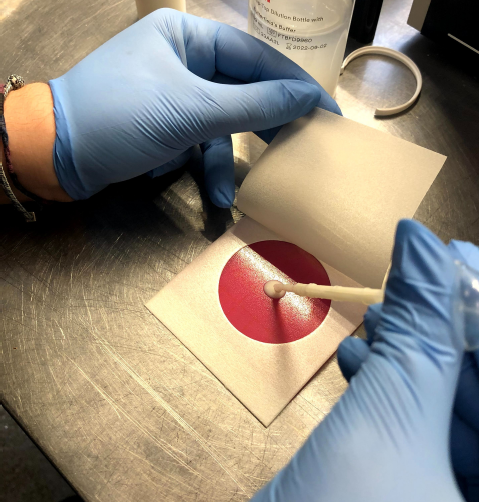
RAWMI’s mission includes supporting raw milk research and science. RAWMI LISTED farmers test their milk at least monthly for coliforms and Standard Plate Count (SPC). These tests provide a way to measure the amount of bacteria present in the milk, as well as providing a measure of the overall hygiene and cleanliness of the milk. Monthly testing serves as a useful confirmation step for ensuring that raw milk is being produced in a way that discourages pathogen growth and is therefore low-risk.

Test data from LISTED farms is submitted to RAWMI monthly. RAWMI amassed hundreds of test data from RAWMI LISTED farms over the last year.  This data can be used for raw milk research. 

imgc.png

RAWMI was a sponsor of the 17th International Milk Genomics Consortium (IMGC) and attended the virtual IMGC conference. As part of that conference, RAWMI is now engaged with international research and relationships with PhD researchers across the world. The IMGC provides access to the most leading-edge studies on milk genomics.

One of the studies presented at the conference this year was related to the loss of allergy-protective capacity of raw milk due to heating.  This study “tested the various heat-treated milk samples for their native protein profile and their allergy-protective capacity... the allergy-protective effect of raw cow's milk is lost after heating milk for 30 min at 65 °C [149 °F] or higher. This loss of protection coincided with a reduction in native immunologically active whey proteins.” The whey protein in raw milk provides protection from allergies, asthma, and inflammation.  When heated above 149 °F, these properties are dramatically reduced or eliminated. This finding is an important confirmation of the unique beneficial properties of whole, unprocessed raw milk. 

coli chart.png

Raw Dairy Legalization and Support

RAWMI collaborated with the Farm-to-Consumer Legal Defense Fund (FTCLDF) towards the legalization of raw butter. Raw butter is an exceptionally nutritious food. For instance, the enzyme alkaline phosphatase (ALP) is found in the butter fat membrane that covers fat globules. ALP decreases inflammation in the body; it is associated with good health and less chronic illness, such as cardiovascular disease and Type-2 diabetes. Raw milk has 4% butter fat, but raw butter contains 86% fat and thus it is very high in alkaline phosphatase.  ALP enzyme is destroyed by pasteurization. The case for legalization of raw butter is currently going through the court system.  

RAWMI is also working towards legalization of raw milk in specific states.  RAWMI provided testimony to lawmakers in Oregon and South Carolina. Furthermore, RAWMI worked with the Organic Farmers Association and the National Farmers Union to create national policies for raw milk. 

On-Farm Lab Sponsorships

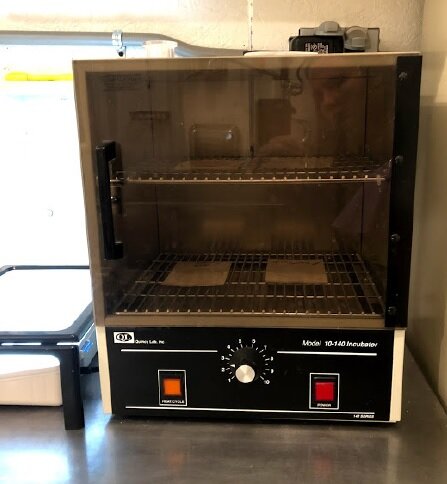
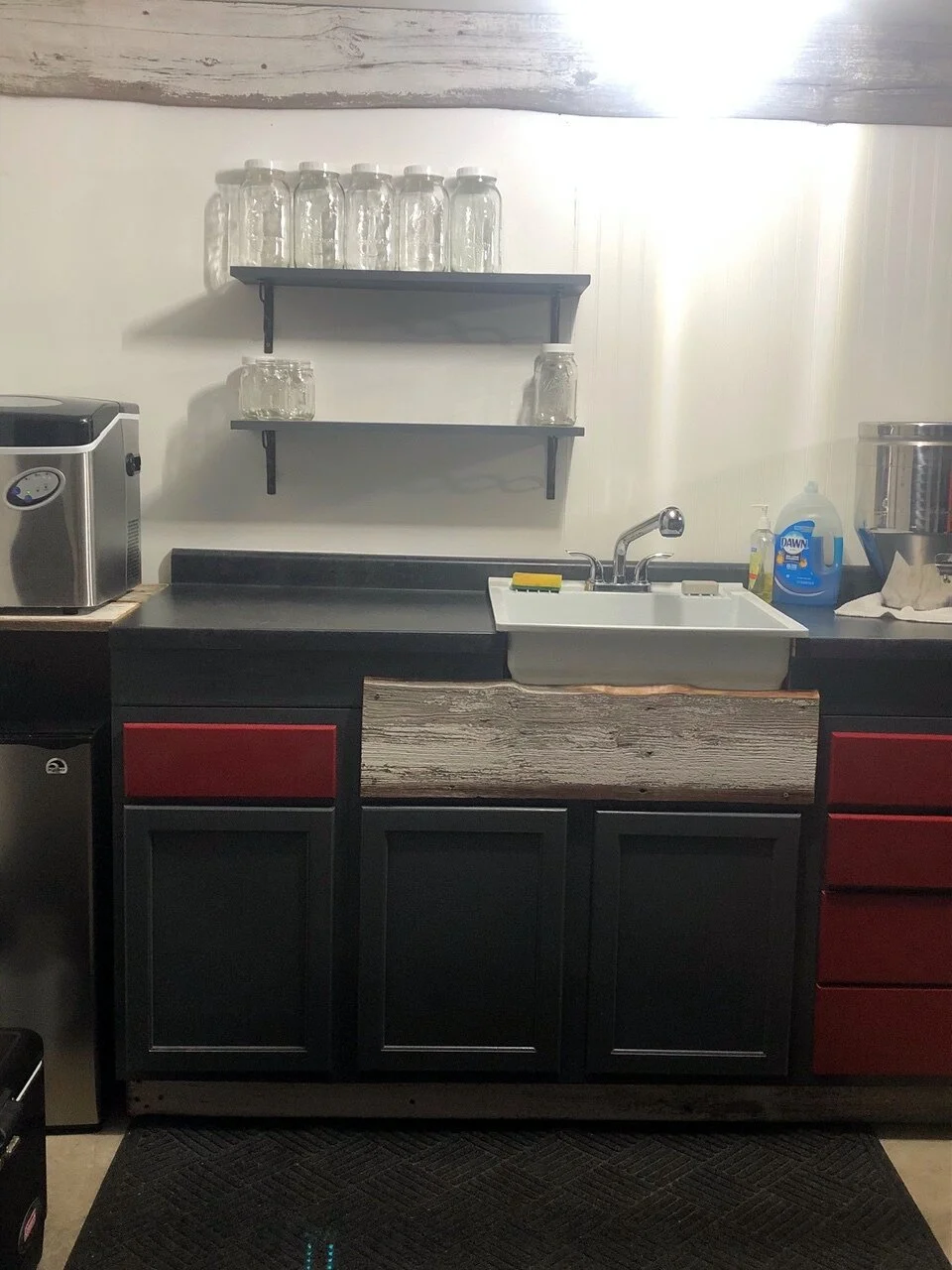
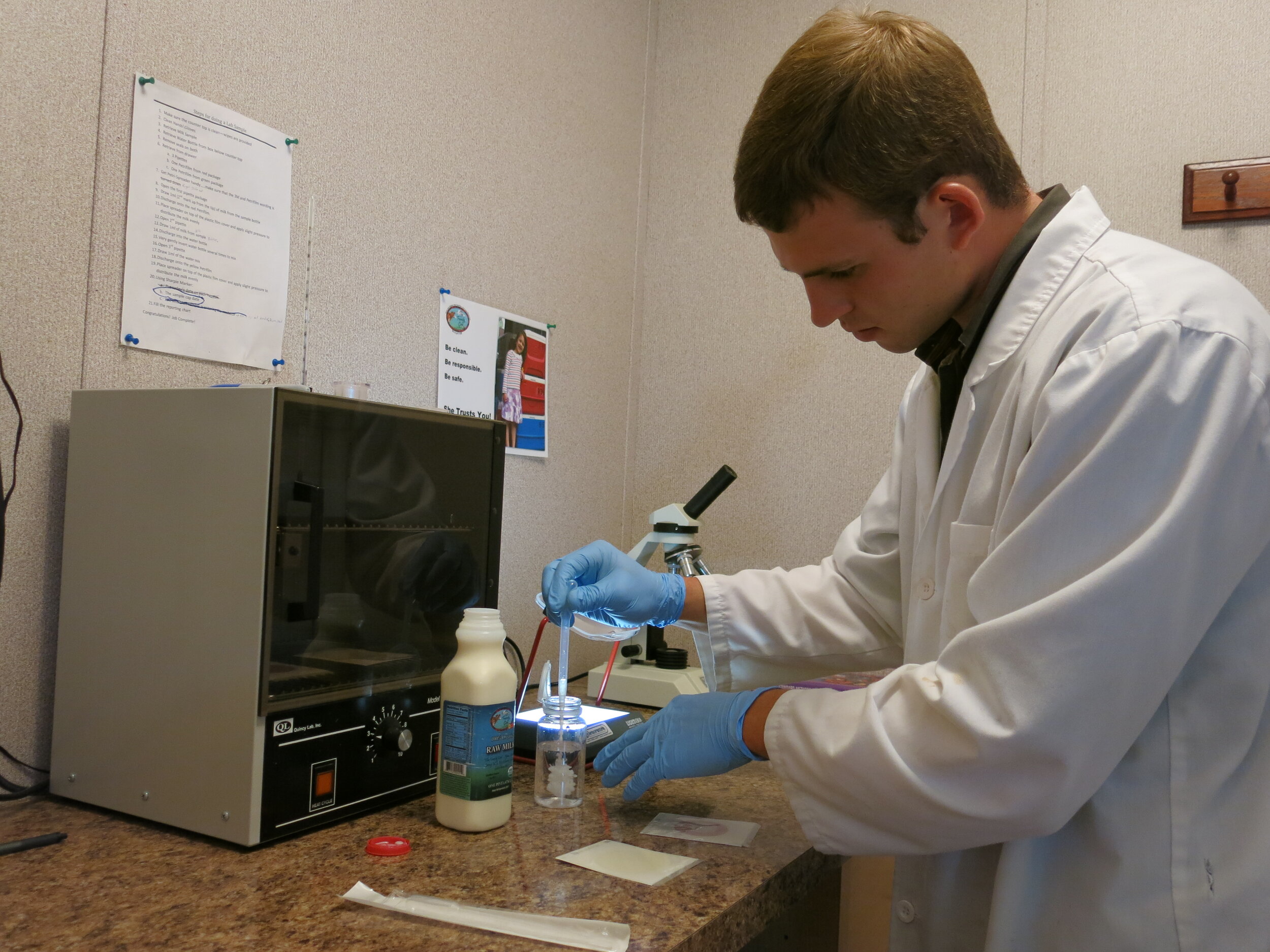
RAWMI sponsored four farms in building on-farm labs for raw milk bacterial testing. On-farm lab testing is a powerful tool for raw milk farmers. It allows for frequent testing, so farmers can better identify issues before they turn into big problems, and it also helps immeasurably with troubleshooting when needed. On-farm labs require an initial investment of $800-$1,000, but once the lab is in-place the cost per test is only $1-$3. With RAWMI’s sponsorship, four farms were able to build their own on-farm labs for testing coliforms and Standard Plate Count.

Welcome to the First RAWMI Listed Goat Dairy: Bees Knees Farm

Bees Knees.png

Forensic Biology Meets Raw Milk

Raw milk farmers come from all walks of life.  Sarah Williams, from Bees Knees Farm in Virginia, has a PhD in Biochemistry and Molecular Biology.  She has worked in Virginia’s crime laboratory, spent time in Iraq helping to get crime laboratories started, and is now an Associate Professor who performs research in Forensic Science. It may seem surprising that Sarah is also a goat milk farmer, but actually her experience with forensics complements her work to produce clean, safe raw milk.

In her work as a forensic molecular biologist, Sarah was already familiar with systems and techniques for keeping things clean and preventing contamination.  These skills naturally carried over into Sarah’s work on the farm, since proper cleanliness and hygiene are foundational to the production of low-risk raw milk. What a great synergy of skills!

 Animal Husbandry to Rejuvenate Their Land

While Sarah focuses on raw milk production at the farm, her husband Dennis concentrates on raising forested Berkshire pigs and pastured poultry.  They have worked hard to rejuvenate the land on their property in Virginia.  Previously a commercial pine forest, their land turned out to have poor quality, acidic soil which was in dire need of improvement.

By purposefully keeping a variety of animals, Sarah and Dennis are successfully rebuilding their soil as they provide sustenance for their own family and many others. The Williams’ use intensive rotational grazing of their goats, chickens, pigs, rabbits, turkeys and horses on fresh pasture and woodland. This maximizes the benefits to both animals and land.

Continual Improvement

Hygienic milking practices along with management of farm conditions are important steps towards producing safe raw milk. Regular bacteria testing is essential.  Milk bacteria testing serves as a verification step to assure that milk is being produced to meet high standards and dramatically reduces the potential of pathogen growth. RAWMI Listed farmers agree to test their milk at least once a month, and many choose to test even more often.

As a recent improvement, Sarah built an on-farm laboratory at Bees Knees Farm, to enable her to perform frequent bacterial testing of her goat’s milk. On-farm labs allow dairy farmers to test their milk more frequently and inexpensively, and such labs are also quite useful in allowing farmers to measure any impacts from changes in their milk production practices or systems.

Sharing Nutrition and Knowledge

In addition to producing a wide range of farm fresh foods for her local community, Sarah also has an online Herdshare School. What started as a hobby became a passion for producing clean, safe raw milk and encouraging others to do the same.  Through her Herdshare School, Sarah mentors other farmers who are getting started with their own herdshares.  We welcome Sarah Williams and Bees Knees Farm to the community of RAWMI Listed farmers.

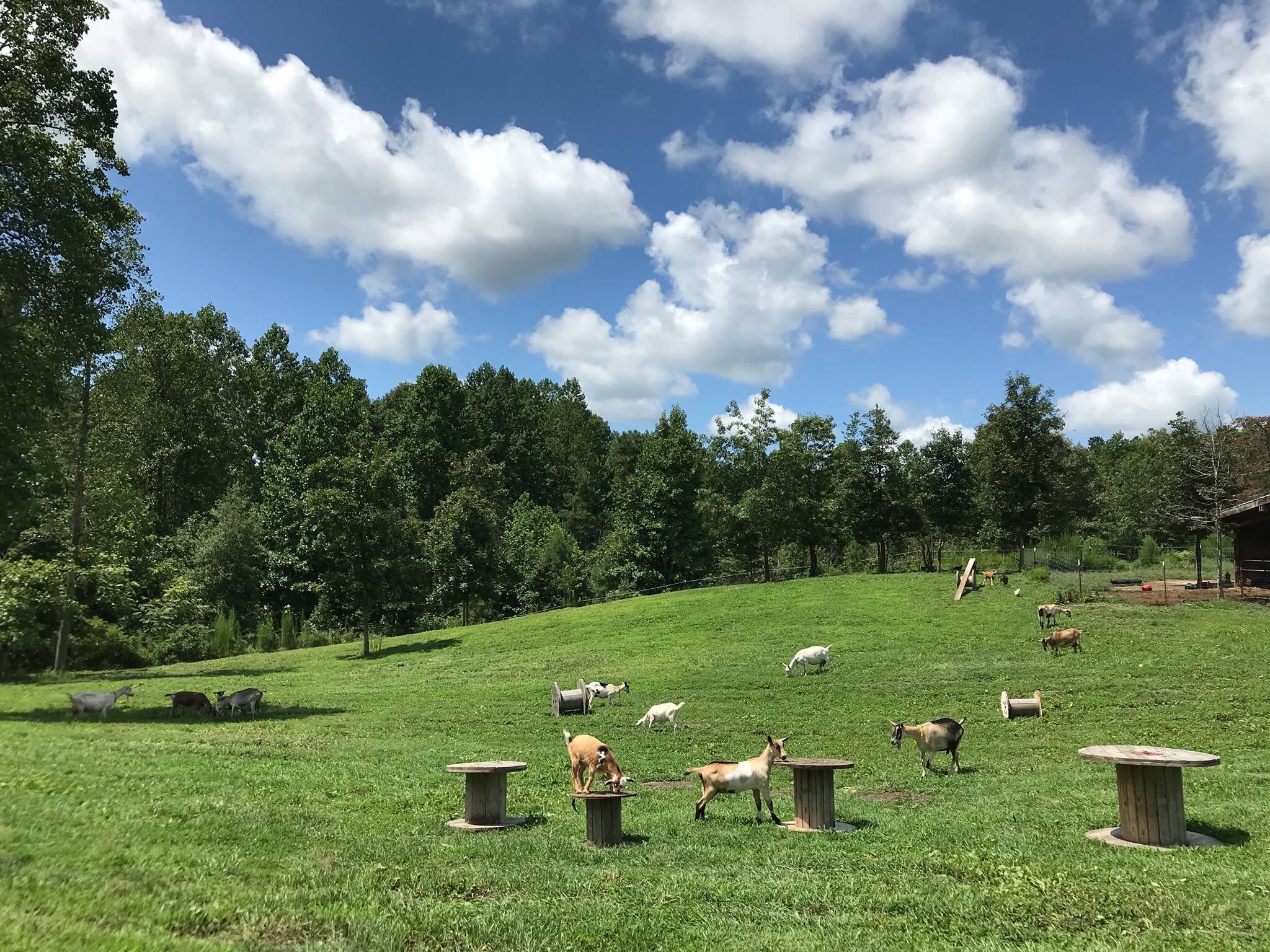
goats in shade.png

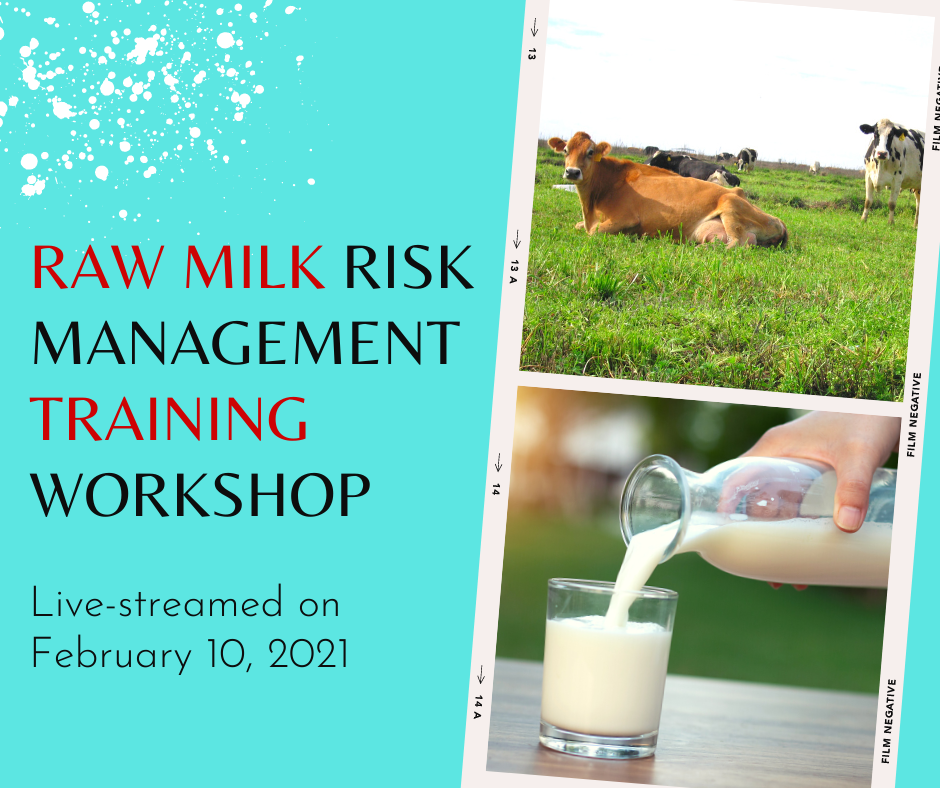
Online Raw Milk Risk Management Training - February 10, 2021

RAWMI Training.png

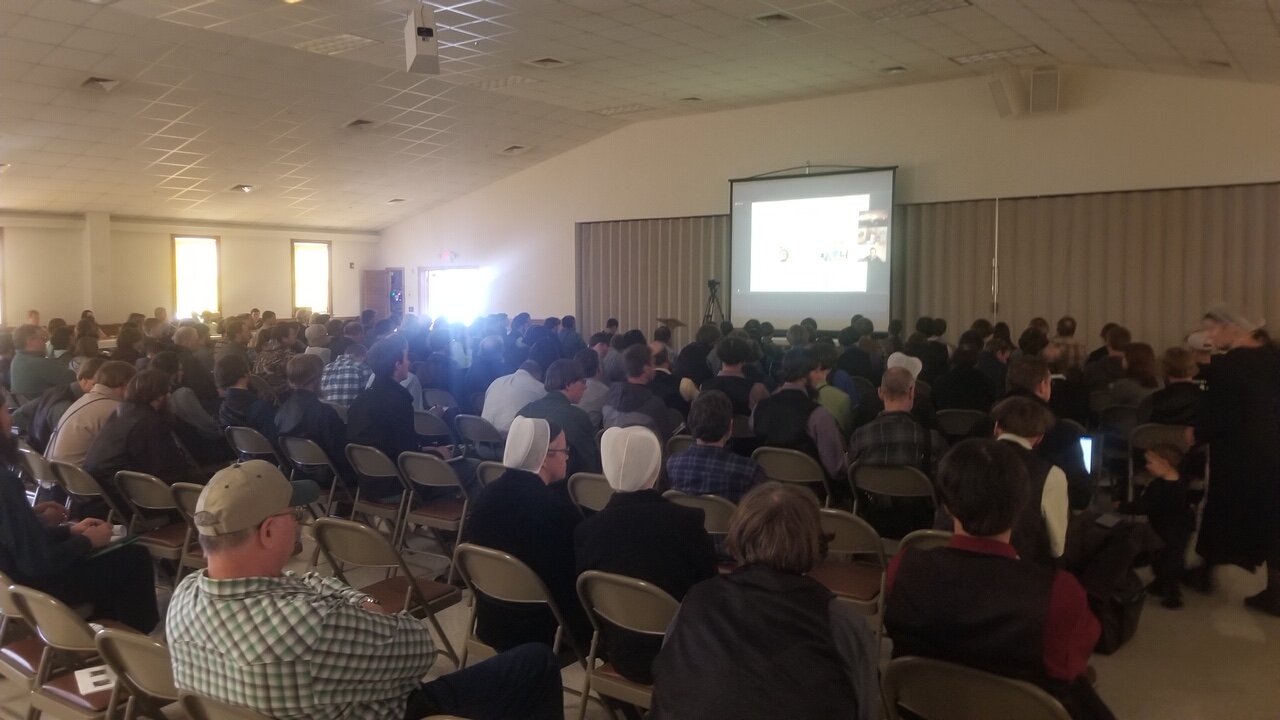
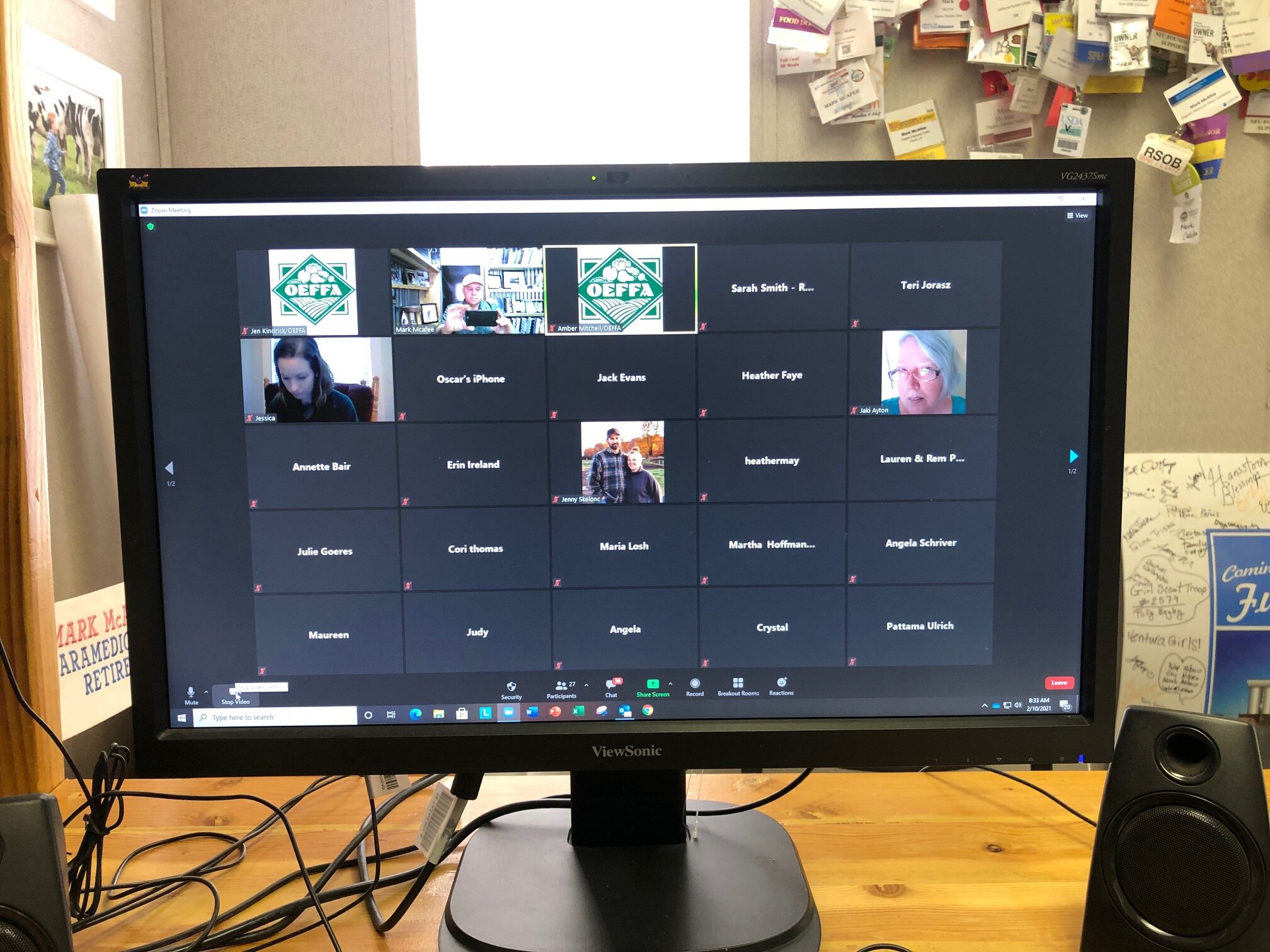
On February 10th, the Raw Milk Institute (RAWMI) will be presenting a 4.5-hour Raw Milk Risk Management training workshop. This presentation will be livestreamed online, so that means you could attend from your own location. The presentation will be part of the 2021 Ohio Ecological Food and Farm Association Conference (OEFFA).

About the Training

This RAWMI training day focuses on the benefits of raw milk, grass-to-glass identification of risks, development of a risk management plan, and lessons learned from other raw milk dairies.

We'll be providing lots of practical tips for the production of safe raw milk. This training has been shown to reduce outbreaks and illnesses, increase safety, and lower insurance costs.

There will be a couple long (1+ hour) breaks built into the schedule so that you can attend to other activities before re-joining the online class.

Registration Fees and Scholarships

The fee to attend this class is $75 for people who aren't members of the OEFFA.

We have $50 scholarships available if the cost is prohibitive for you. Email sarah@rawmilkinstitute.org if you want more info on how to apply for a scholarship.

How to Register

If you'd like to attend, the online registration form is here: https://conference.oeffa.org/registration/

Our class is listed under "Food and Farm School Classes." Hope to see you there!

Kansas Raw Milk Micro-Dairy: Starting Small and Thinking Big

S&M Farm.png

Starting a Farm as Grandparents

Like many other raw milk farmers, Shelley and Matt Harding didn’t start out intending to farm.  Shelley has worked as an electrician, cosmetologist, and more recently as an educator for medical coding.  Matt has a background in criminal justice and construction, and is currently a machinist for the railroad.

Their kids were grown, and Shelley and Matt were settling into their role as grandparents. Yet something was missing. Shelley and Matt found themselves re-connecting with old dreams of having a small farm. So, they purchased some farm land where they could expand their garden and raise more chickens.

looking down the hill.jpeg

But it wasn’t enough, especially for Matt.  He had fond memories of having a nurse cow and raising calves as a hobby during his teens and again in his twenties.  He recalled a certain peacefulness from spending time with his cattle. Now, decades later, Matt knew he wanted to have a cow again. But Shelley…

S&M Farm selfie

Shelley didn’t even *like* milk.  The taste and smell turned her off, and she’d had lactose intolerance symptoms for almost 20 years. Anytime she drank milk or milk products, she’d end up with abdominal cramping. Even still, Shelley knew how much it meant to Matt to have a cow again, so in the Spring of 2020 the Hardings brought home Miss Daisy, a pregnant Holstein heifer.

The Habit of Excellence

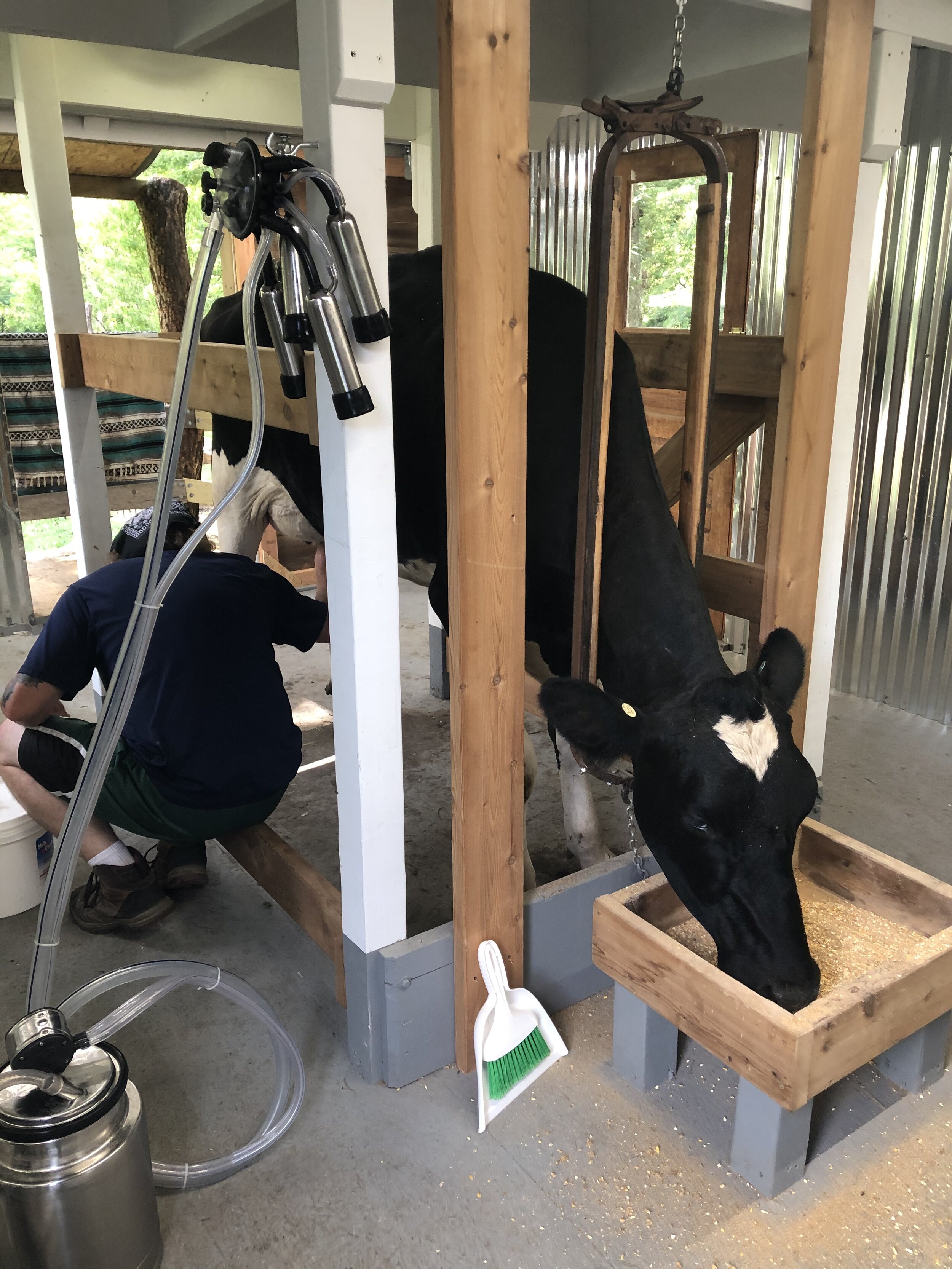
Shelley is a detail-oriented kinda person.  She naturally wants to do everything with excellence, and farming would be no different. If they were gonna have a cow and milk her, they were gonna do it right and do it well. Matt built a custom milking barn, and Shelley went to work on learning the ins-and-outs of safe raw milk.

With free mentoring from the Raw Milk Institute, the Hardings learned how to optimize their milking barn set-up, udder preparation, milking methods, bottling, and cleaning. They converted their basement into a milk bottling room, and worked hard to get the all of the details right.  

No More Lactose Intolerance or Allergies

But the milk… that was a big surprise for Shelley.  Miss Daisy’s raw milk didn’t smell or taste bad to Shelley like storebought milk had.  And Shelley didn’t have lactose intolerance symptoms with raw milk, either! 

Since she started drinking raw milk daily, Shelley no longer has gastrointestinal problems, and her seasonal allergies went away, too. No more allergy medications and no more sinus headaches. Raw milk helped their granddaughter overcome her allergies, too. The Harding’s experience aligns with scientific studies which have found that raw milk consumption is specifically associated with reduced rates of allergies.

Next Steps

Shelley and Matt’s S&M Farm is the newest dairy to be LISTED by the Raw Milk Institute.  They pride themselves on providing healthy, low-risk milk to a few families in Kansas.  Although Miss Daisy is their only cow for now, Shelley and Matt are already thinking about growing their dairy and building an on-farm lab for milk bacterial testing. The Raw Milk Institute welcomes S&M Farm to our community!

image0.jpeg

New Raw Milk Research from the 2020 IMGC Symposium

Takeaways from a RAWMI Farmer

IMGC.png

The 17th International Milk Genomics Consortium (IMGC) Symposium was held on October 13-16, 2020. This year’s conference was presented virtually, to an audience of more than 270 people from around the world. As a raw milk farmer and Chairman of the Raw Milk Institute (RAWMI), this was the 10th annual symposium that I have attended.  

Through attending these conferences year-after-year, I have developed many close relationships with university and PhD scientists.  Although the virtual format didn’t allow much in terms of one-on-one connections and conversations with researchers, nonetheless there were many fascinating presentations this year.  

This year’s conference focused on health impacts of milk, with particular focus on immune health, gut microbiome, and breastfeeding in relation to COVID-19. You can see a complete list of all presentations here. There were several presentations related to raw milk which I want to share with the raw milk community.  

University of California-Davis

University of California-Davis

Loss of Allergy-Protective Capacity of Raw Cow’s Milk After Heat Treatment Coincides with Loss of Immune Active Whey Proteins

Ling Xiong, Wageningen University and Research, Wageningen, The Netherlands 

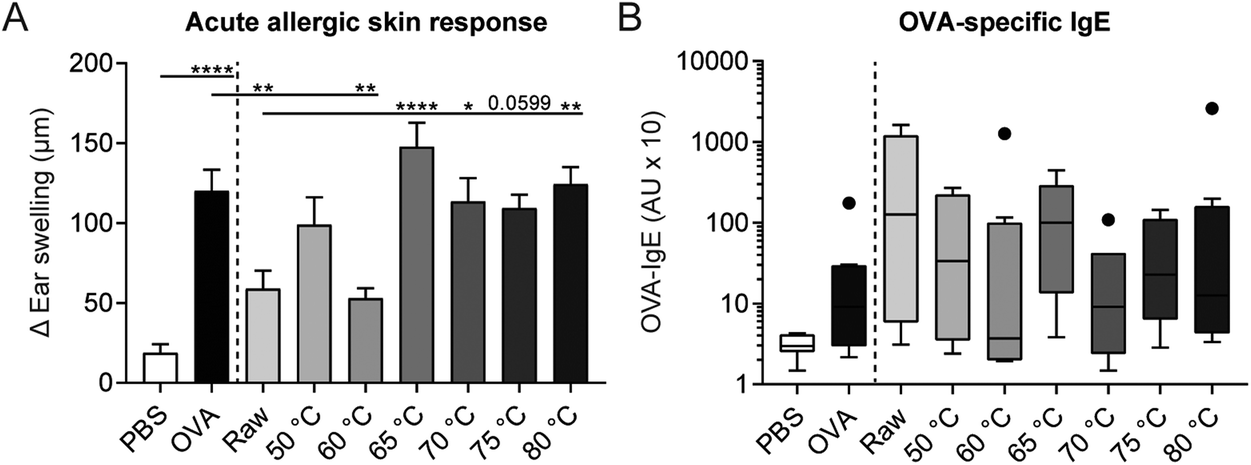
This study “aimed at achieving a better understanding of the underlying mechanism between heat damage to whey proteins and allergy development.” Raw milk has been correlated with anti-allergenic benefits, and heat-sensitive whey protein has been hypothesized to contribute to these benefits. In this study, “raw cow’s milk was heated for 30 min at 50, 60, 65, 70, 75, or 80 °C [122, 140, 149, 158, 167, or 176 °F]… The allergy-protective effect of differently heated milk samples were tested in a murine OVA-induced food allergy model.” 

This study “tested the various heat-treated milk samples for their native protein profile and their allergy-protective capacity... the allergy-protective effect of raw cow's milk is lost after heating milk for 30 min at 65 °C [149 °F] or higher. This loss of protection coincided with a reduction in native immunologically active whey proteins.” 

Heat treatment at 65 °C or higher destroyed allergy-protective capacity of raw milk in murine OVA-induced food allergy model. Xiong, et al.

Heat treatment at 65 °C or higher destroyed allergy-protective capacity of raw milk in murine OVA-induced food allergy model. Xiong, et al.

The whey protein in raw milk provides protection from allergies, asthma, and inflammation.  When heated above 149 °F, these properties are dramatically reduced or eliminated. This finding is an important confirmation of the unique beneficial properties of whole, unprocessed raw milk. Raw dairy products such as cheese, butter, and strained yogurts would not be expected to have such strong anti-allergenic benefits because they do not contain whey. 

All across the world, when raw cheeses are made the raw whey is drained off and either discarded, used as a fertilizer, or fed to animals such as pigs.  Raw whey protein is arguably one of the most vital components in raw milk and it is literally treated as a waste byproduct. Some raw whey is made into powder and sold as a health product. Most of the whey protein powders on the market are not raw, but are highly pasteurized, spray dried, and oxidized. These widely available whey products no longer have the bioactivity found in the raw form.  

The new research on the anti-allergenic benefits of raw whey shows that, instead of being discarded, the whey left over from making cheese has great potential. Researchers called for innovation to bring raw whey protein to the market for the benefit of human health.  

B. infantis EVC001 Colonization in Breastfed Infants Modulates Cytokine Profile Linked to Autoimmune and Allergic Diseases

Bethany Henrick, Evolve Biosystems Inc., Davis, CA, USA 

This research at UC Davis has been studying the effects of Bifidobacteria infantis EVC001 on gut microbiome and immune health. “The intestinal microbiome plays a critical role in the development of the immune system…Stool samples were collected at Day 6 (baseline) and day 60 of life from exclusively breastfed infants (n=40) randomly selected to receive either 1.8 x 10¹⁰ CFU B. infantis EVC001 daily for 21 days starting Day 7 postnatal (EVC001) or breast milk alone (controls).

“Importantly, infants fed B. infantis EVC001 produced significantly decreased levels of [proinflammatory cytokines], while [beneficial cytokine considered to reduce autoimmune and allergic diseases] levels were significantly increased…

“These findings suggest a novel immunomodulatory function of B. infantis in breastfed infants… and further imply this strain of bacteria may [be]… critically important in the reduction of… autoimmune and allergic diseases.” 

The researchers have identified that Bifidobacteria infantis is critical to the training and development of T-Cells, which play a central role in the immune system. Historically, Bifidobacteria dominated the microbiome of breastfed infants. These beneficial bacteria actively train naive T-Cells into protective “Killer T-Cells.” This is foundational and is essential to the development of the newborn infant’s immune system. Under the current set of societal and nutritional conditions, Bifidobacteria in newborns are reduced due to limited breast feeding, use of baby formulas and antibiotics, and high C-section rates. This new research demonstrates that supplementation with Bifidobacteria is likely to improve infants’ immune systems. 

Image from Bethany Henrick’s Presentation at the 2020 IMGC Symposium

Image from Bethany Henrick’s Presentation at the 2020 IMGC Symposium

Evidence of a Significant Secretory-IgA-Dominant SARS-CoV-2 Immune Response in Human Milk Following Recovery from COVID-19

Rebecca Powell, Icahn School of Medicine at Mount Sinai, New York, NY, USA

Researchers studied breastfeeding mothers and infants during the peak of the New York City COVID-19 outbreak in early 2020. It was found that COVID-19 positive mothers did not transfer the virus to their babies. Tests of the breastmilk of COVID-19 positive mothers found that there is a strong “SARS-CoV-2 immune response [in the form of antibodies] in human milk after infection in the majority of individuals.” Breastmilk from COVID-19 positive mothers contains antibodies which can then confer protection against COVID-19 to their breastfed babies. Interestingly, the milk from COVID-19 positive mothers has been shown to continue to contain COVID-19 antibodies even months after the infection.  

This is one of nature’s protective gifts. Mammalian mothers protect their young through breast milk and antibody sharing. This important fact has also lead other researchers to consider the use of immune milk from cows as a therapeutic food.  It was hypothesized that, if cows were exposed to coronavirus during the last stages of pregnancy, the colostrum they produced after calving would contain coronavirus antibodies.  

My own RAWMI LISTED dairy (Organic Pastures Dairy Company) worked with IMGC and UC Davis researchers in early 2020 to test this hypothesis in a pilot study.  The cows were exposed to a bovine coronavirus in late pregnancy, and their colostrum and milk were then tested after calving. It worked! Antibodies to coronavirus were found in the colostrum and milk after calving. This study is now being expanded at UC Davis using their own cows. Further work needs to be done to better understand any potential impact of antibodies in milk on older children and adults, who do not have permeable guts like young infants do.  


Milk, Nose, Gut: Microbiomes in the CHILD Cohort Study

Meghan Azad, University of Manitoba, Winnipeg, Canada 

The CHILD Cohort Study (www.childstudy.ca) is a study of 3,500 Canadian families from pregnancy onwards to understand the developmental origins of chronic diseases. This study has shown that breastfeeding and vaginal birth are associated with reduced risks of childhood asthma and obesity. These beneficial effects appear to be partly mediated by the infant gut microbiome, which is seeded with beneficial bacteria in the birth canal as well as through breastfeeding. Current research is focused on understanding “how breastfeeding practices and breast milk components (including bacteria, fungi, oligosaccharides, fatty acids, hormones and cytokines) shape the developing infant nasal and gut microbiomes and contribute to health and disease trajectories.”   

Raw milk from other mammals has been correlated with many of the same benefits as human breast milk. Like breast milk, raw milk contains a wide array of essential nutrients, fats, proteins, anti-inflammatory and digestive enzymes, bioavailable vitamins, and minerals, all in a natural form which is most easily utilized by the body.  

Image from Meghan Azad’s Presentation at the 2020 IMGC Symposium

Image from Meghan Azad’s Presentation at the 2020 IMGC Symposium

Difference in Levels of SARS-CoV-2 Spike Protein- and Nucleocapsid-Reactive SIgM/IgM, IgG and SIgA/IgA Antibodies in Human Milk

Veronique Demers Mathieu, Medolac Laboratories/University of Massachusetts Amherst, USA 

Researchers from the University of Massachusetts sought gain an understanding of the “presence and the levels of [COVID-19] antibodies” in breast milk. The researchers measured the amounts of various types of COVID-19 antibodies in breast milk samples from 41 women during the pandemic. They found that women who “had symptoms of viral respiratory infection during the last year” had higher levels of certain types of COVID-19 antibodies than women who had experienced no viral respiratory symptoms in the last year.  Heat treatment of the breast milk at 100°C (212 °F) for 30 minutes “completely inactivated” the antibodies. The researchers concluded that, “The presence of SARS-CoV-2-reactive antibodies in human milk could provide passive immunization to the breastfed infants.” 

This research has confirmed that antibodies are completely destroyed through heat treatment of milk. Breast milk must be raw in order to provide antibody protection to infants. This same science applies to raw milk from other mammals.

breastfeeding.png

Closing Remarks

The symposium ended with closing remarks by Dr. Bruce German and Dr. Jennifer Smilowitz from UC Davis. They discussed two important upcoming needs in the community of scientific research about milk:

  1. Defining breast milk as the keystone research target of 21st Century for the public research funding agencies of the world, and

  2. Positioning food as the first line of defense for nourishment and therapeutics in emerging infections of public health impact. 

In other words, raw milk is considered to be the most important area of research going forward. This is because raw milk contains the bioactive genomic secrets of life, and to a large degree determines how well the immune system and gut microbiome will function. When the science of raw milk is better understood, human health will be improved and more illnesses will be prevented. 

In summary, this conference confirmed the following.  

  • Raw milk is a whole bioactive superfood that nourishes and builds the immune system.

  • Heat destroys the bioactive elements in raw milk that impart health benefits.

  • Raw whey is a new market opportunity, yet innovation will be required because the FDA forbids sale of raw whey. Safe raw whey must be produced in the same ways that safe raw milk is produced.

  • Raw breast milk provides protection against COVID-19 to breastfeeding infants. There is a need for more research into the immune-protective benefits of raw milk from other mammals.


Why Raw Milk Standards Matter

3 steps.png

Back in 2011 before the Raw Milk Institute (RAWMI) was formed, there were no universal standards for safe raw milk production. Consumer demand for raw milk was expanding, as people learned about the health benefits of raw milk as well as the negative effects of pasteurization. There was a growing body of evidence that children who drink raw milk have decreased rates of asthma, allergies, eczema, ear infections, fever, and respiratory infections. Whereas pasteurized milk is a top food allergen and difficult to digest, raw milk is actually a health-supporting food with rich therapeutic potential that is easily digested by most consumers. Yet, standards for raw milk varied widely from state to state and country to country. 

The occasional foodborne illness outbreaks that could be tied to raw milk continued to tarnish raw milk’s reputation.  And worse yet, some of these outbreaks actually led to life-threatening illnesses. As raw milk’s popularity grew, it was being consumed by a wider segment of the population including immune-compromised people. Whereas average healthy people are likely to have relatively mild symptoms from exposure to foodborne pathogens, immune-compromised people are more likely to have severe symptoms.

Perfectly Safe Food?

It is important to note that there is no such thing as a perfectly safe food. A CDC analysis of foodborne illnesses from 2009-2015 showed that the top food categories commonly linked to illnesses were chicken, pork, and seeded vegetables. Multi-state foodborne illness outbreaks have been linked to foods ranging from unpasteurized apple juice to ground beef to soy nut butter to lettuce.

Pasteurized milk is not perfectly safe, either, and is implicated in foodborne illnesses and outbreaks every year.  Although a wide range of foods including meats and vegetables are known to have the potential for causing foodborne illnesses, only raw milk is targeted by government regulators as a food to be completely avoided. Countries such as Canada and Australia currently have complete bans on raw milk.

Raw Milk Institute Method for Safe Raw Milk

The Raw Milk Institute was founded in 2011 to advance the cause of safe raw milk.  The numerous health benefits of raw milk make it an essential food, which is too important to be allowed to be systematically suppressed by regulators and government agencies. RAWMI sought to better understand the important factors in ensuring that raw milk was safe to consume.

In 2011-12, RAWMI brought together a diverse international group with the purpose of establishing standards for safe raw milk. This group included medical doctors and epidemiologists, nutritional consultants, veterinarians, food safety scientists, raw milk farmers, and raw milk consumers. This collaborative group developed the Raw Milk Institute Common Standards, which were initially released in 2012. 

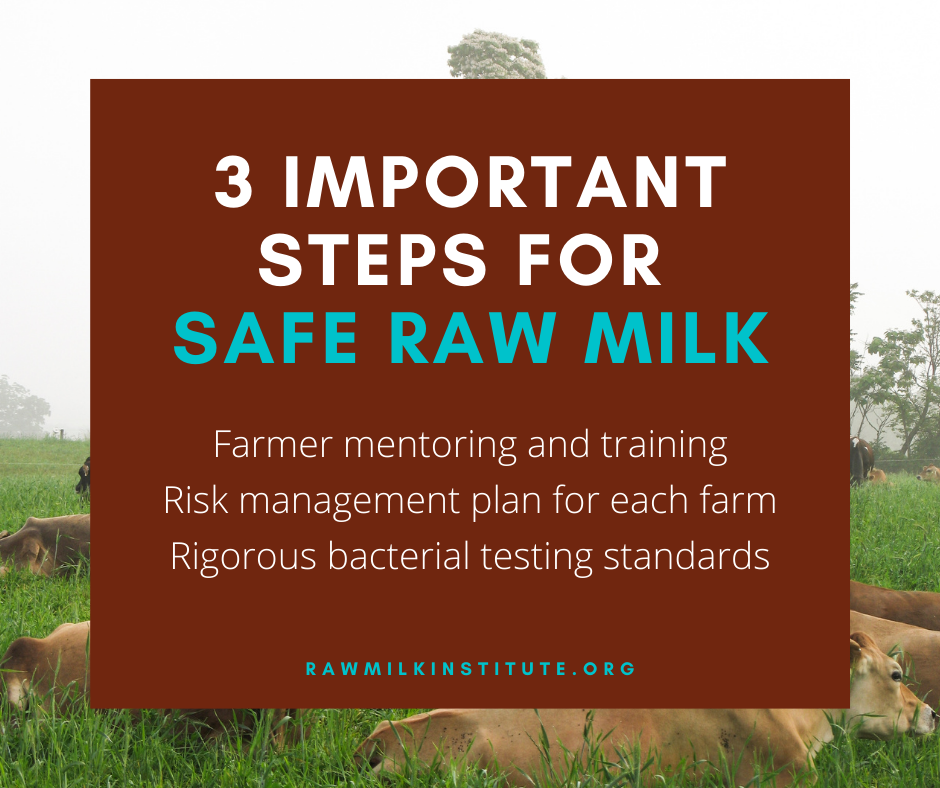
The RAWMI Common Standards describe a three-pronged approach for the production of safe raw milk which consists of:

  • Farmer training and mentoring

  • Risk Analysis and Management Plan (RAMP) for the unique conditions on each individual farm

  • Stringent yet achievable bacterial test standards for coliforms and Standard Plate Count (SPC)

The Common Standards Work!

Since their release in 2012, the RAWMI Common Standards have become a foundational part of low-risk raw milk production across North America. When farmers are well-trained, use careful production practices as laid out in their individual RAMP, and perform ongoing bacterial testing of their milk, they can produce raw milk that is ultra-low-risk.

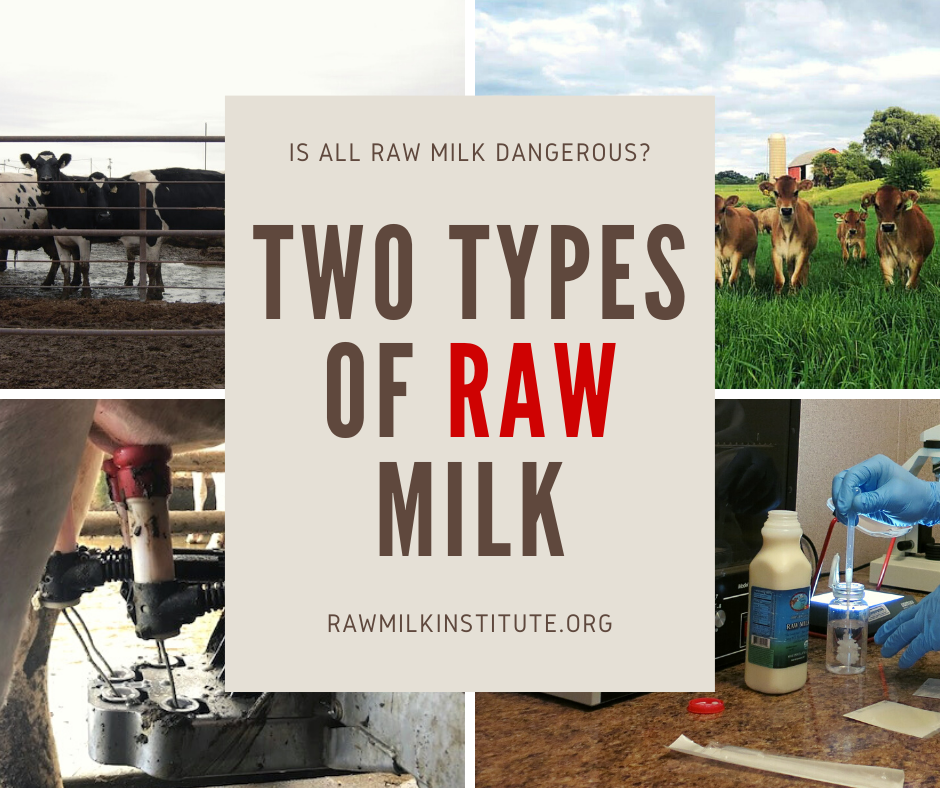
Researchers from Canada and Europe have studied the safety of raw milk intended for direct human consumption, and have specifically considered milk from farms who implement the RAWMI Common Standards. They have found that carefully produced raw milk is a low-risk food which is fundamentally different from pre-pasteurized milk. The implementation of the RAWMI Common Standards has led to a significant reduction in raw milk-related illnesses and outbreaks.

The table below contrasts pathogen test data from pre-pasteurized milk vs. raw milk intended for direct human consumption.  As illustrated in the table, pathogen testing of pre-pasteurized milk samples has detected pathogens in up to 33% of samples.  In contrast, there were zero pathogens detected in thousands of milk samples from raw milk intended for direct human consumption. It is clear from this test data that pre-pasteurized milk is categorically different from raw milk intended for direct human consumption.

Common Standards and RAMP 2020 Update

Knowledge about safe raw milk is continually advancing. With the review of the RAWMI Advisory Board and LISTED farmers, the RAWMI Common Standards and RAMP have recently been updated to include the latest information about best practices in raw milk production. The updated Common Standards and RAMP are also now inclusive of other dairy animals such as goats and sheep. The 2020 Common Standards and RAMP are available here:

2020 RAWMI Common Standards
2020 RAWMI Risk Analysis and Management Plan
IMG_0611.JPG

Antibiotic Resistant Genes in Raw Milk - What Does the Data Really Mean?

antibiotic resistant genes.png

Government-Funded Study Finds ZERO Pathogens in Raw Milk Samples!

That’s what the headlines should have read.

Instead, the study was titled, “Reservoirs of antimicrobial resistance genes in retail raw milk” [1]. The study, funded by the National Institutes of Health (NIH) and the United States Department of Agriculture (USDA), was not able to find any pathogens in raw milk. So instead they focused on trying to create fear of antibiotic resistant genes which were found to proliferate when raw milk was allowed to sit at room temperature for hours.  

Antibiotic Resistant Genes are Ubiquitous

Antibiotic resistant genes are everywhere. They’ve been found in every environment, including pristine habitats that have been virtually untouched by humans such as Antarctica [2, 3].  They’re even found in the dust of buildings [4].

“Antibiotics are ancient, dating back hundreds of millions of years. Resistance is therefore equally ancient, and the number of genes in the resistome is a reflection of the continuous co-evolution of small molecules in natural environments and microbial genomes.”  

-Gerard Wright, Nature Reviews Microbiology 2007 [3]

Given that they are ubiquitous in the environment, it is no surprise that there are antibiotic resistant genes in many foods [5]. Breast milk, too, contains antibiotic resistant genes carried on bacteria found in the raw breast milk [6].

Breastmilk and Antibiotic Resistant Genes

Researchers in Helsinki found that, even though breast milk contains antibiotic resistant genes, babies who were breast fed actually have less antibiotic resistant genes in their guts than babies who weren’t breastfed or who terminated breastfeeding early [7].  Researchers attribute this benefit to the fact that breastmilk promotes the growth of beneficial bacteria such as bifidobacteria, which can then outcompete the bacteria carrying antibiotic resistant genes. Like breast milk, cow’s milk has also been shown to support the growth of bifidobacterial [8]. 

Potential Dangers of Antibiotic Resistant Genes

Antibiotic resistant genes can pose potential health threats in specific circumstances. When antibiotics are taken, the intestinal microbiome is disrupted as both beneficial and harmful bacteria are killed off. This weakens our immune systems overall [9]. If there are antibiotic resistant bacteria present in the gut, taking antibiotics actually allows these bacteria to proliferate in the absence of competing bacteria. There can then be infection or illness which is not able to be respond to antibiotics. Antibiotic resistance is now responsible for the deaths of tens of thousands of people every year in the USA alone [10].

For example, C. diff. colitis (clostridium difficile colitis) is infection of the colon that results from disruption of the healthy bacteria in the gut, usually as a result of taking antibiotics. C. diff. can cause diarrhea, abdominal pain, fever, bloody stools, kidney failure, and even death. One of the best treatment options for severe C. diff. infections is fecal transplant. Severely ill C. diff. patients have a 92% cure rate from fecal transplants, which provide a healthy flush of poop from a healthy human donor into the colon [11]. The fecal transplant recolonizes the gut with healthy bacteria.

Zero Pathogens in Raw Milk Samples

Coming back to the study funded by the NIH and USDA [1], researchers found that antibiotic resistant genes proliferated in raw milk that was allowed to sit at room temperature for hours.  Their research showed that raw milk which was kept refrigerated had low levels of antibiotic resistant genes.  What this actually demonstrates is that raw milk from around the country is being produced very cleanly, resulting in low bacteria counts.

Most of the potential beneficial bacteria to be found in milk is from either fecal or soil origin. Yes…dirt is very good for you and a little poop does not hurt either [12]. It has long been understood that living in a farm environment has substantial health benefits over living in urban environments [13]. However, in our modern world with immune-compromised consumers, the raw milk standards have had to change.

For raw milk to be legal for sale and safe for the general public (including immune-compromised people), it must be very hygienic. It can no longer have dirt or poop in it. So, all that is left is clean, delicious, safe raw milk from deep inside the cow’s or goat’s udder. The government-funded study tested retail raw milk samples and they found ZERO pathogens! This should be celebrated as true progress towards farm cleanliness and testing.

“[Raw] milk samples in the present study were screened for Listeria spp., Salmonella enterica, and E. coli O157:H7. None were detected.”

-Liu et al. Microbiome 2020 [1]

Fermenting Raw Milk

For thousands of years, people have known how to ferment or “clabber” raw milk by simply leaving it at room temperature instead of refrigerating it.  In the absence of refrigeration, traditional cultures often consumed raw milk in fermented form [14]. Such milk would have contained ample beneficial lactic acid bacteria from the small amounts of dirt or manure that would have been present on the udders and teats of the milk animals, and would therefore quickly ferment at room temperature. 

In modern times, people have largely lost their taste for spontaneously fermented, sour raw milk. Raw milk farmers and consumers aim to maintain the sweet flavor of fresh milk as long as possible. The farmers do this by thoroughly cleaning the udders and milking equipment to ensure the milk will have low bacteria counts [15], as well as by rapidly chilling the milk and keeping it cold.  Consumers, too, work to make sure their raw milk is kept cold, even during transport.  Keeping raw milk cold allows it to retain its sweet taste and gives it a longer shelf life.

One useful point of information from the government-funded study was the finding that “spontaneous fermentation does not grow beneficial lactic acid bacteria”. This means that the very clean, low-bacteria count raw milk which is currently available in the USA may not ferment very well in the traditional way. The flavor of spontaneously fermented raw milk is not generally palatable to the modern raw milk consumer. Thus, most raw milk consumers actually work to make sure that their raw milk does not ferment and stays fresh and sweet.

Generally, raw milk consumers who intentionally ferment their milk will do so by adding beneficial bacteria such as yogurt starter or kefir grains. Kefir, in particular, is associated with a wide number of health benefits including lower blood pressure, decreased insulin resistance, tumor suppression and prevention, and improved composition of the gut microbiota [16-19].

The Bottom Line

The NIH and USDA-funded study found no pathogens in raw milk. This is further confirmation of the findings published in the January 2020 Journal of Epidemiology and Infection which concluded that “raw milk can be produced with a high level of hygiene and safety” [20].

The government-funded study focused on antibiotic resistant genes which can proliferate in raw milk that is left at room temperature for hours. However, it is no surprise that raw milk, like breastmilk and many other foods, contains antibiotic resistant genes. The presence of antibiotic resistant genes is not an issue unless the balance of good bacteria in the gut gets disrupted. Both breastmilk and raw milk are known to promote the growth of beneficial bacteria such as bifidobacteria. The study completely ignored the growing body of evidence that has shown that children who drink raw milk have decreased rates of asthma, allergies, eczema, ear infections, fever, and respiratory infections [21-23].

The best way to beat antibiotic resistant bacteria is to protect and nourish the biodiverse bacteria in the gut. You can do this by avoiding antibiotics and processed foods, which damage the gut and immune system [24, 25]. Instead, eat plenty of whole foods such as raw milk, milk kefir, grassfed beef, eggs, and fresh or fermented vegetables and fruits to feed the beneficial bacteria in the gut and allow it to thrive [26].

milk.png

References

[1] Liu, J., Zhu, Y., Jay-Russell, M. et al. (2020) Reservoirs of antimicrobial resistance genes in retail raw milk. Microbiome 899 (2020). https://doi.org/10.1186/s40168-020-00861-6

[2] Durso LM, Miller DN, Wienhold BJ (2012) Distribution and Quantification of Antibiotic Resistant Genes and Bacteria across Agricultural and Non-Agricultural Metagenomes. PLOS ONE 7(11): e48325. https://doi.org/10.1371/journal.pone.0048325

[3] Wright, G. (2007) The antibiotic resistome: the nexus of chemical and genetic diversity. Nat Rev Microbiol 5175–186 (2007). https://doi.org/10.1038/nrmicro1614

[4] Ben Maamar S, Glawe AJ, Brown TK, Hellgeth N, Hu J, et al. (2020) Mobilizable antibiotic resistance genes are present in dust microbial communities. PLOS Pathogens 16(1): e1008211. https://doi.org/10.1371/journal.ppat.1008211

[5] Fogler K, Guron GKP, Wind LL, Keenum IM, Hession WC, Krometis L-A, Strawn LK, Pruden A and Ponder MA (2019) Microbiota and Antibiotic Resistome of Lettuce Leaves and Radishes Grown in Soils Receiving Manure-Based Amendments Derived From Antibiotic-Treated Cows. Front. Sustain. Food Syst. 3:22. doi: 10.3389/fsufs.2019.00022

[6] Pärnänen, K., Karkman, A., Hultman, J. et al. (2018) Maternal gut and breast milk microbiota affect infant gut antibiotic resistome and mobile genetic elements. Nat Commun 93891. https://doi.org/10.1038/s41467-018-06393-w

[ 7] Ravindran S. (2019) Breastfeeding May Help Protect Babies from Antibiotic-Resistant Bacteria. SPLASH! milk science update: January 2019 Issue. https://milkgenomics.org/article/breastfeeding-may-help-protect-babies-from-antibiotic-resistant-bacteria/

[8] Rova S, Rada V, Marsik P, Vlkova E, Bunesova V, Sklenar J, Splichal I. (2011) Growth of bifidobacteria and clostridia on human and cow milk saccharides. Anaerobe 17(5). https://doi.org/10.1016/j.anaerobe.2011.07.009.

[9] McAfee M, Smith S. (2020) Immunity, the Immune System, and Raw Milk. Raw Milk Institute website. https://www.rawmilkinstitute.org/updates/immunity-the-immune-system-and-raw-milk

[10] Centers for Disease Control and Prevention. (2019) More People in the United States Dying from Antibiotic-Resistant Infections than Previously Estimated. CDC website. https://www.cdc.gov/media/releases/2019/p1113-antibiotic-resistant.html

[11] Brandt L. J. (2012). Fecal transplantation for the treatment of Clostridium difficile infection. Gastroenterology & hepatology, 8(3). https://www.ncbi.nlm.nih.gov/pmc/articles/PMC3365524/

[12] Akst, J. (2020) The influence of soil no immune health. The Scientist website. https://www.the-scientist.com/news-opinion/the-influence-of-soil-on-human-health-66885

[13] Wells, AD, Poole JA, and Romberger DJ. (2014) Influence of farming exposure on the development of asthma and asthma-like symptoms. International immunopharmacology, 23(1), 356–363. https://doi.org/10.1016/j.intimp.2014.07.014

[14] Levi, J. (2014) The Smoke Cured Fermented Milk of the Samburu. Presentation at Wise Traditions London 2014. https://westonaprice.london/videos/samburu/

[15] Smith, S. (2020) Udder Preparation for Raw Milk. Raw Milk Institute website. https://www.rawmilkinstitute.org/updates/udder-preparation-for-raw-milk

[16] Bourrie BC, Willing BP, and Cotter PD. (2016) The Microbiota and Health Promoting Characteristics of the Fermented Beverage Kefir. Frontiers in microbiology, 7, 647. https://doi.org/10.3389/fmicb.2016.00647

[17] Bellikci-Koyu E, Sarer-Yurekli BP, Akyon Y, Aydin-Kose F, Karagozlu C, Ozgen AG, Brinkmann A, Nitsche A, Ergunay K, Yilmaz E, and Buyuktuncer Z. (2019) Effects of Regular Kefir Consumption on Gut Microbiota in Patients with Metabolic Syndrome: A Parallel-Group, Randomized, Controlled Study. Nutrients, 11(9), 2089. https://doi.org/10.3390/nu11092089

[18] Guzel-Seydim ZB, Kok-Tas T, Greene AK, Seydim AC. (2011) Review: functional properties of kefir. Crit Rev Food Sci Nutr. 51(3):261-268. doi:10.1080/10408390903579029

[19] de Oliveira Leite AM, Miguel MA, Peixoto RS, Rosado AS, Silva JT, and Paschoalin VM. (2013) Microbiological, technological and therapeutic properties of kefir: a natural probiotic beverage. Brazilian journal of microbiology : [publication of the Brazilian Society for Microbiology], 44(2), 341–349. https://doi.org/10.1590/S1517-83822013000200001

[20] Berge AC, Baars T. (2020) Raw milk producers with high levels of hygiene and safety. Epidemiology and Infection. 148:e14. doi:10.1017/S0950268820000060

[21] Loss G, Apprich S, Waser M, Kneifel W, Genuneit J, Büchele G, Weber J, Sozanska B, Danielewicz H, Horak E, Joost van Neerven RJ, Heederik D, Lorenzen PC, von Mutius E, Braun-Fahrländer C; GABRIELA study group. (2011) The protective effect of farm milk consumption on childhood asthma and atopy: The GABRIELA study. Journal of Allergy and Clinical Immunology. 128 (4): 766-73. https://www.jacionline.org/article/S0091-6749(11)01234-6/fulltext

[22] Perkin MR and Strachan DP. (2006) Which aspects of the farming lifestyle explain the inverse association with childhood allergy? Journal of Allergy and Clinical Immunology. 2006; 117 (6):1374-81. https://www.jacionline.org/article/S0091-6749(06)00651-8/fulltext

[23] Loss G, Depner M, Ulfman LH, Joost van Neerven RJ, Hose AJ, Genuneit J, Karvonen M, Hyvärinen A, Kaulek V, Roduit C, Weber J, Lauener R, Pfefferle PI, Pekkanen J, Vaarala O, Dalphin JC, Riedler J, Braun-Fahrländer C, von Mutius E, Ege MJ; PASTURE study group. (2015) Consumption of unprocessed cow's milk protects infants from common respiratory infections. Journal of Allergy and Clinical Immunology.  135 (1): 56-62. https://www.jacionline.org/article/S0091-6749%2814%2901274-3/fulltext

[24] Watanabe K, Gilchrist CA, Uddin J, Burgess SL, Abhyankar MM, Moonah SN, Noor Z, Donowitz JR, Schneider BN, Arju T, Ahmed E, Kabir M, Alam M, Haque R, Pramoonjago P, Mehrad B, Petri WA. (2017) Microbiome-mediated neutrophil recruitment via CXCR2 and protection from amebic colitis. PLOS Pathogens; 13 (8): e1006513 DOI: 10.1371/journal.ppat.1006513

[25] Paula Neto HA, Ausina P, Gomez LS, Leandro JGB, Zancan P, Sola-Penna M. (2017) Effects of Food Additives on Immune Cells As Contributors to Body Weight Gain and Immune-Mediated Metabolic Dysregulation. Front Immunol.8:1478. doi:10.3389/fimmu.2017.01478

[26] McAfee M. (2020) Build Immune System Strength With Whole Foods: Drink Raw Milk! Raw Milk Institute website. https://www.rawmilkinstitute.org/updates/whole-foods-build-immune-system-strength

Michigan Raw Milk Farmer on a Mission to Heal

Michigan farmer.png

We’re giving a big “Welcome!” to Michigan’s Six S Dairy, the 21st farm to become LISTED by the Raw Milk Institute. Jenny and Brent Skelonc, along with their four children, have been farming at Six S Dairy since 2008. They produce raw milk as well as pasture-raised beef, pork, chicken and eggs.

Farming to Improve Their Family’s Health

farm+store

Jenny and Brent embarked on farming after their youngest daughter was born with a rare genetic syndrome. In striving to give their daughter the best possible health, Jenny and Brent realized that living on a farm would be the healthiest environment for her. Indeed, multiple studies have shown that living on a traditional farm is healthier for kids, and is associated with lower rates of asthma and allergies. The Six S Dairy revolves around raising their animals well, with plenty of pasture, fresh air, and sunshine.

Living on a farm sets the stage for better health, and being nourished by well-produced farm fresh foods is even more critical. In making it a priority to keep their youngest daughter healthy, the whole family switched to a nutrient-rich real food diet centered around fresh foods from their own farm. In doing so, they experienced obvious health improvements including better immune systems.

IMG_4366.jpg

Raw Milk Heals

Once the Skelonc family started producing and drinking raw milk in 2017, they saw that their twins’ 14-year battle with severe eczema ended almost instantly! Their experience confirms the studies which have shown that raw milk consumption is specifically associated with reduced rates of eczema.

Dedication to Low-Risk Raw Milk

milk cooler

Six S Dairy operates as a herdshare in Sand Lake, Michigan, providing raw milk to dozens of families every week. Six S Dairy takes the safety of their raw milk seriously.  Having been mentored by Edwin Shank from The Family Cow dairy in Pennsylvania, Six S Dairy has their own on-farm lab where they can test their raw milk to ensure it is being produced in a way that discourages pathogen growth. They test their milk every day to ensure it has low bacterial counts.

Six S Dairy has worked diligently to become LISTED by the Raw Milk Institute by developing their own Risk Analysis and Management Plan. They will be a great addition to the Raw Milk Institute’s community of dedicated farmers.

skelonc family.jpg

Factory Farms vs. Sustainable Local Farms During COVID19

food system covid19

Milk is Being Dumped While Stores are Selling Out

Mother Nature has her ways of giving us advice. Sometimes that advice is subtle and sometimes it is brutal.  This time she was pretty direct, and she did not mix her signals.  Consolidated, centralized food systems have not been able to adapt to the rapid changes brought on by the COVID19 pandemic.

The Standard American Diet and its production, processing, logistics and delivery systems have failed.  American farmers that serve this highly consolidated food system are dumping 3 million gallons of milk per day; meanwhile American supermarkets are stripped clean of dairy products. The dairy processing industry which was previously supplying milk to schools and restaurants cannot rapidly adapt to bottling and delivering milk for retail sales.

For many years, the demand for fluid pasteurized milk has been dropping at a rate of ~1% per year. During this long decline, bottling plants have been closed and cheese plants have been opened. When America was asked to stay at home in response to COVID19, much of the food service industry was stopped, restaurants were idled, and schools were closed.

At home, kids wanted cereal and needed three meals every day. They wanted milk! The demand for milk raged upwards. Yet the supermarkets could not meet that demand. Panic-buying made matters even worse, with store shelves remaining sporadically empty for weeks, and even now milk is being rationed in many places.

Meanwhile, dairymen are dumping truckloads of milk. The market price of milk is dropping like a rock from $18 per hundredweight (CWT) to $14 CWT or even lower. The break-even price for dairymen is around $18-$20 CWT. Thus, dairies are continuing to fail at an unprecedented rate while stores are not able to meet the demand for milk.  It is an unmitigated disaster.

“Get Big or Get Out”

earl butz.png

This is the 50 year old story of “Get Big or Get Out”. This philosophy of feeding the world and starving the American farmer was started in the early 1970’s by Earl Butz, who was Secretary of Agriculture under Nixon. Butz’s idea was that the most efficient farmers would overtake the smaller farmers, prices would drop, and supply would increase.

This structure concentrates power into the hands of a few aiming at cheap food for all, with an abundance which America would then export into the world markets. We would feed the world.  This design has become part of the America farm culture and has led to a massive decline in the number of dairies.  

Massive Decline in Number of Small Dairies

In 1940, America had over 4 million dairy farms. By the late 1990’s, that number had dropped to just over 100,000 dairies in the USA. Currently, there are only about 30,000 dairies left, and we are losing an additional 5% of dairies every year.   

herd size.png

According to USDA data, there has been a sharp decline in the number of dairies with 30-200 cows; meanwhile, the number of large dairy farms is increasing. From 1992-2012, “the number of dairy farms with at least 1,000 cows more than tripled.” One future-thinking dairy leader has projected that America will have only 100 dairies in 20 years. America would still have its 9+ million cows, but those cows would be contained in massive concentrated animal feeding operations (CAFOs) with 90,000 cows each.

Consumer polls clearly indicate that consumers don’t want their milk coming from 90,000 cow massive CAFO operations. The environmental impact from large CAFO operations is devastating. The manure lagoons are the size of lakes and the smell is horrendous. There are no pastures. The feedlots go on and on forever!  This system has many flaws, and more of those flaws showed themselves to the world in the last 6 weeks during the COVID19 pandemic.

cafo

Consolidated Food Systems Lack Resilience and Adaptability

COVID19 has demonstrated that a consolidated food system fails the American public in times of crisis. Consolidated massive operations and their logistics can not adapt and they are not resilient. These operations cannot adjust to changing market conditions and they fail when the consumer demands change. The consolidated milk industry failed to meet the needs of Americans because it was not able to respond and adapt in the face of rapid change. Similar issues have arisen in consolidated vegetable industries and meat industries during this crisis.

The food chain stress test has been performed. The results are in and America’s big food systems have failed miserably.  This has become a serious threat to American national food security!

Food security is seriously jeopardized with milk going to just a handful of milk processors. That’s the future of “Get Big or Get Out” and it is smelly, ugly, and does not work to serve America. Additionally, with so much of this system relying on imports and exports, when countries close their borders, this system cannot function.

Aurora dairy

Consumer Connected Farmers Are Thriving

The local farmer-to-consumer system has also been tested during this time of crisis, and the results have been quite different. Farmers who sell directly to consumers are thriving. The comparison of this market to the CAFO-driven market is dramatic.  

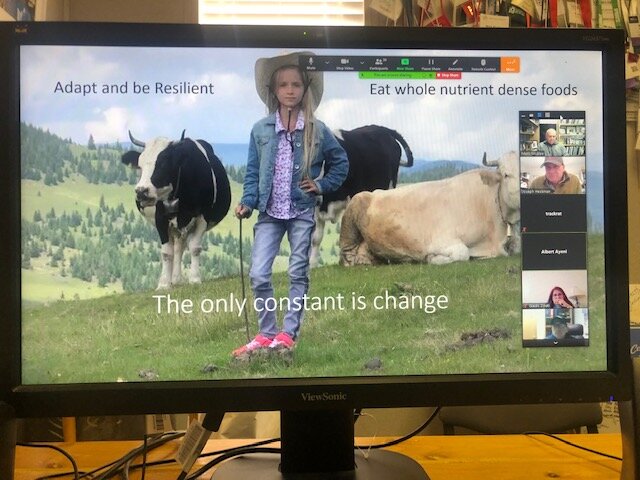
Farmer–to-consumer sales are highly adaptive and resilient, because the farmers are connected to their consumers. They know and hear one another!  Farmers can adjust quickly to changes in consumer demand. During the COVID19 pandemic, many dairy farmers who sell directly to consumers saw a huge increase in the demand for milk. They were able to meet this demand by diverting milk which would have been used to make butter and cheese into bottled milk instead. Both the farmers and consumers benefited from this ability of the farmers to adapt to the changing demand.

Farmers who sell directly to consumers produce fresh foods which are unprocessed or less-processed. These fresh foods support and build immune systems through nourishing healthy gut biomes. Up to 80% of the immune system makes its home in our gut and is powered by a biodiversity of bacteria and the whole foods that feed them. These foods come from sundrenched rich soils and local ethical farmers that connect directly to consumers. This food system is thriving and growing.

In contrast, highly processed foods with long shelf life, which are filled with preservatives and antibiotics, are destructive to the gut biome. Consumers have begun to understand this.

Within the dairy community, farms such as cow share programs, micro dairies that produce raw milk, and dairies with their own processing plants have been able to quickly adapt and respond to the changing demand from consumers and stores. These food systems are responsive, adaptive, nutritionally rich, and economically alive.

raw goodness.jpg

You Vote With Your Food Dollars

America must make a decision about its fate. Food systems are very much a part of our America. Will America thrive, be resilient and adapt to threats? Will America continue to become even more economically, environmentally, and immunologically compromised and depressed? Or will America embrace smaller local farms who produce nourishing whole foods? Will America embrace disease-prevention and whole food nutrition? Will it build or suppress its innate and adaptive immune systems?

Each dollar spent on food directs America’s future. Where we direct our food dollars is a very personal question. Will we have healthy children or not?  Will we take personal responsibility for our own health with whole food nutrition or will we continue to vote for “Get Big or Get Out”?   

The food system stress test results are in. Let’s move beyond “Get Big or Get Out.”  Let’s invest in illness prevention with farm-direct local, unprocessed, whole foods that build our immunity. It’s a personal gut microbiome choice. Let’s adapt and become resilient. The alternative is a dead end.