Forging the Path to Safe Raw Milk
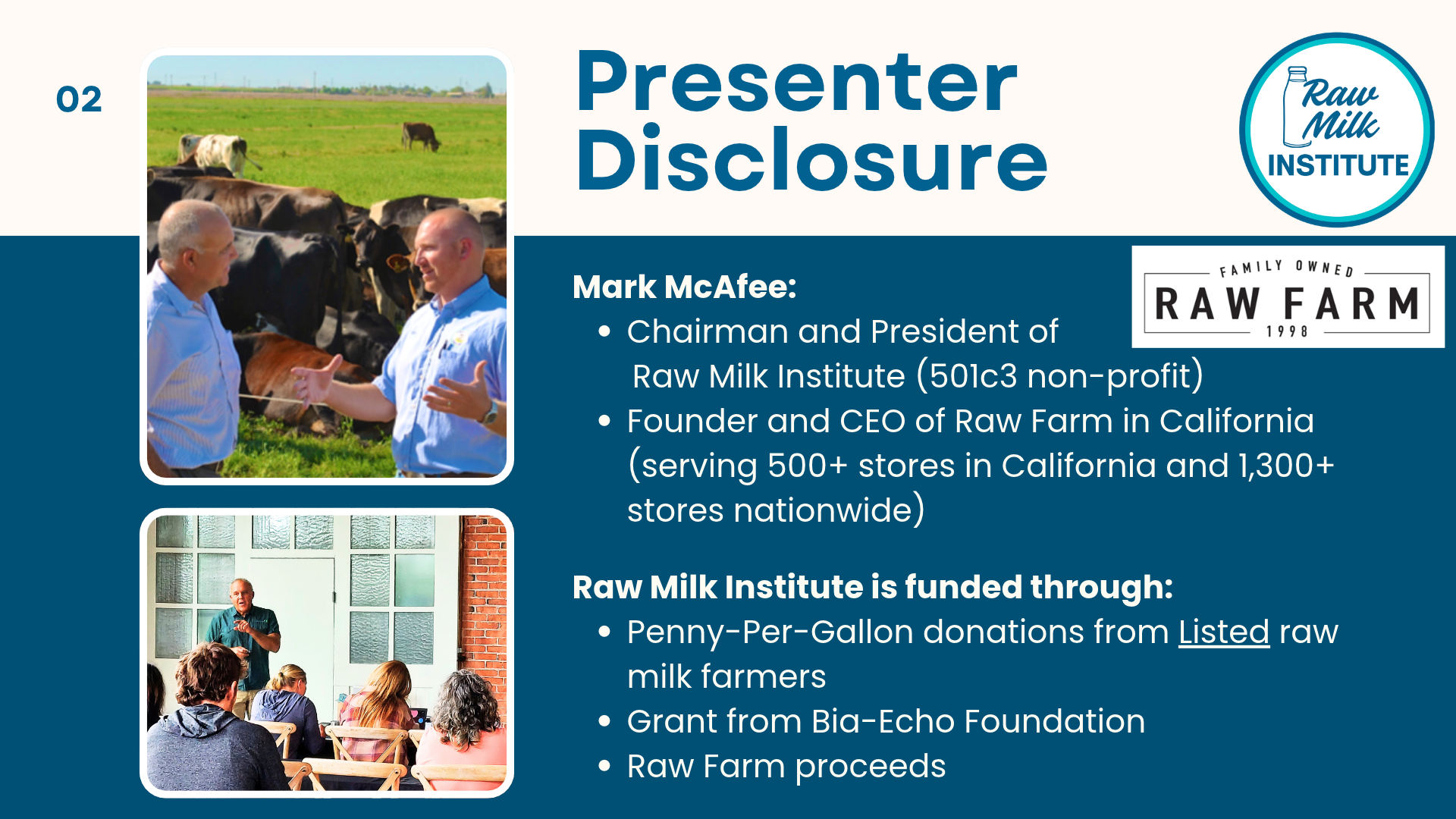
As founder of the Raw Milk Institute and CEO of Raw Farm (the largest raw milk producer in the world), I knew early on that Human Consumption Grade Raw Milk would only be accepted if it was backed by high standards, solid food safety data, and good science. The official Federal position was that raw milk was dangerous, so dangerous that they would not even perform any research or provide any standards. Yet in 1998 when I started my dairy farm in California, customers were clamoring for raw milk. Alta Dena dairy in California had produced the last raw milk certified by the American Association of Medical Milk Commissions (AAMMC) in the late 1990’s, leaving a void in raw milk availability. Customers told me stories of how their health had improved with raw milk, how their children needed raw milk, and how much better raw milk tasted.
California had a historic framework of raw milk standards from the AAMMC. With no help from regulators, inspectors, or the state, we had to learn our lessons about raw milk safety the hard way, but nonetheless our customers loved our raw milk and continually reported profound health benefits and health improvements. Our customers supported and encouraged us as we learned more and strove to elevate our raw milk production practices without support from the dairy industry, regulators, or government.
Raw milk’s regulatory status on a national and international level was chaotic then and continues to be so now. Each country and state has its own laws about raw milk. In the USA, in states that allow raw milk, the standards vary greatly. Some standards are well-considered and provide meaningful guidance for low-risk raw milk, yet some other standards are neglectful and downright dangerous. Nationwide, the Food and Drug Administration (FDA) provides no guidance or standards at all for Human Consumption Grade Raw Milk. The FDA knows that banning raw milk leads to black markets and unsafe, ignorant production practices. Nonetheless, instead of establishing common-sense standards or providing guidance for the production of low-risk raw milk, the FDA persists in trying to stop raw milk production and discourage its consumption.
The only raw milk that the FDA acknowledges is raw milk intended for pasteurization. I agree with the FDA that such raw milk should be pasteurized because it is often dirty. Such milk is commingled between dairies, sourced from herds with unhealthy cows, and test data shows that it is contaminated with pathogens. The FDA standards under the Pasteurized Milk Ordinance excuse filth and are designed to make dirty milk safe to drink, yet why not create another set of standards for milk that is clean, rapidly-chilled, carefully-produced, and tested for human consumption? It was clear that pioneering leadership was needed in order to develop raw milk standards, educate farmers in how to implement the standards, and help consumers access safe raw milk.
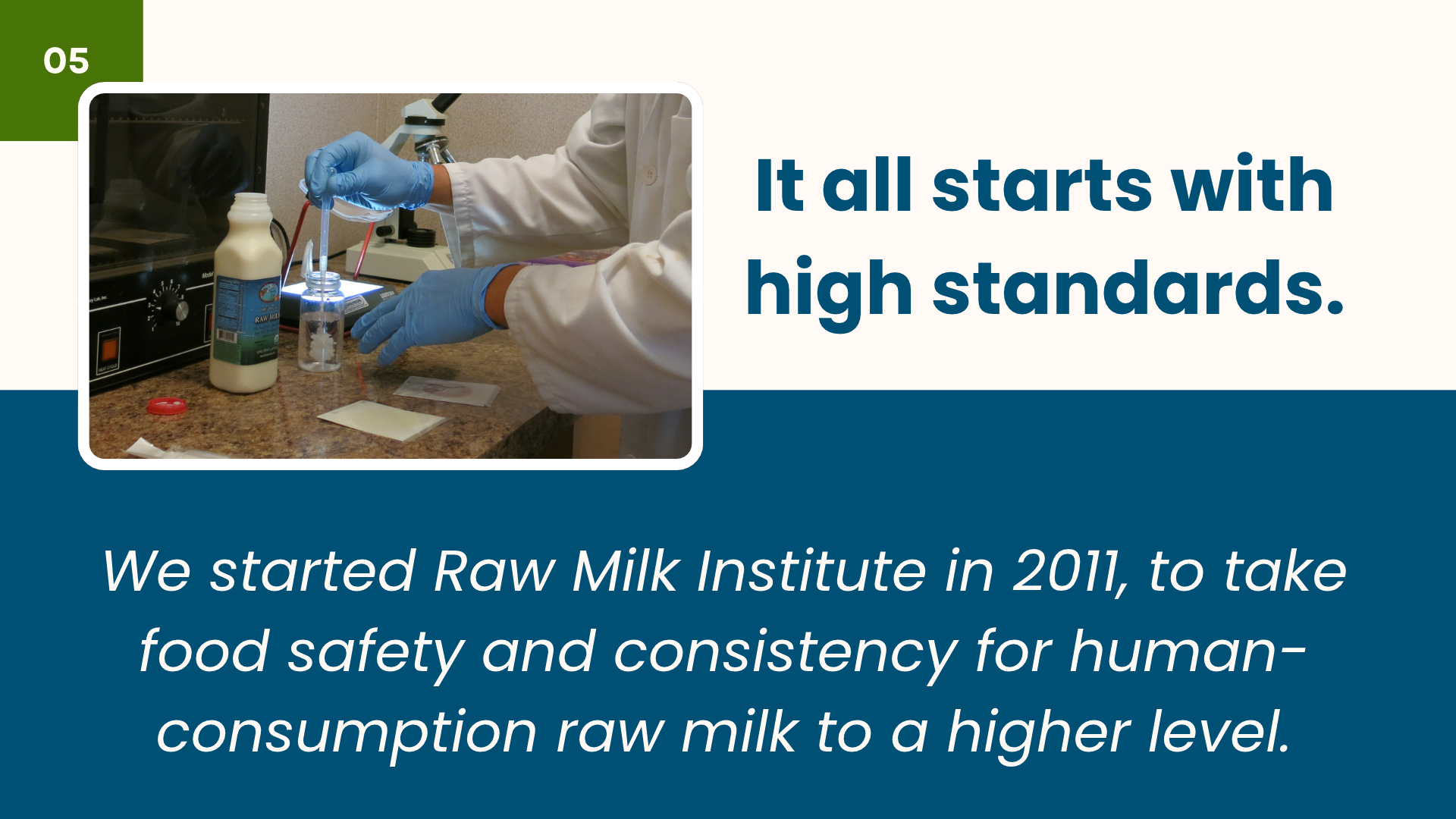
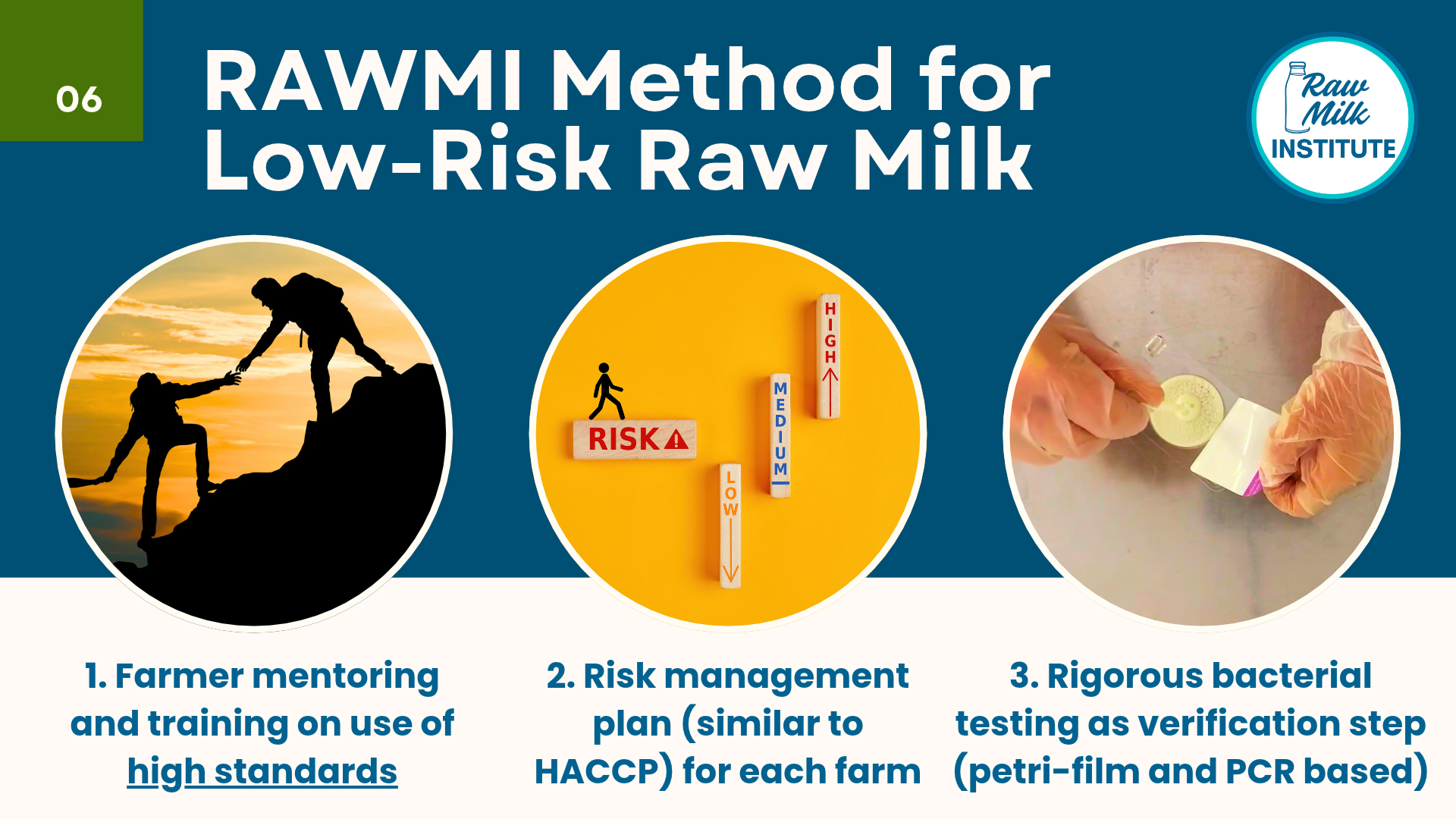
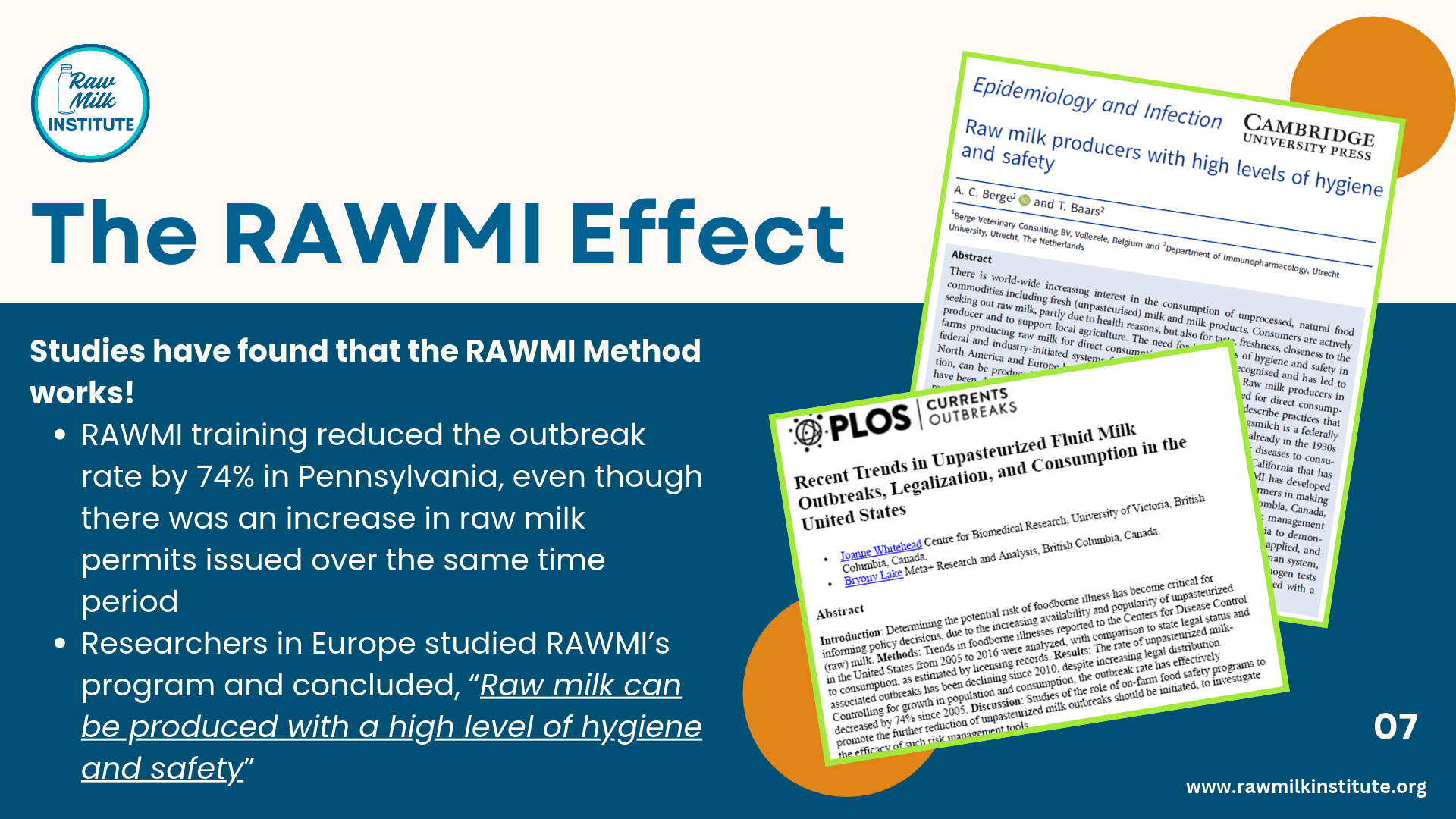
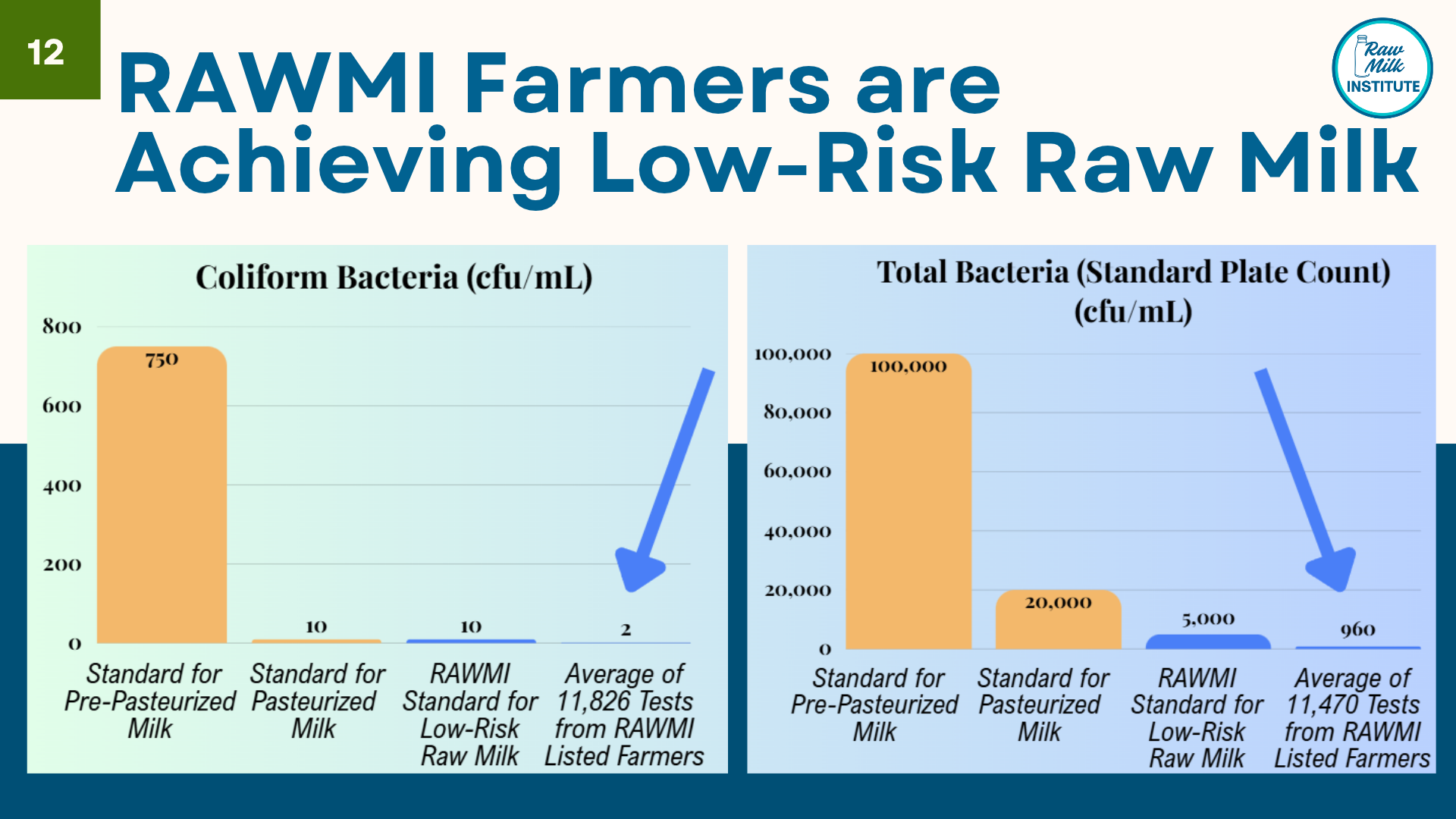
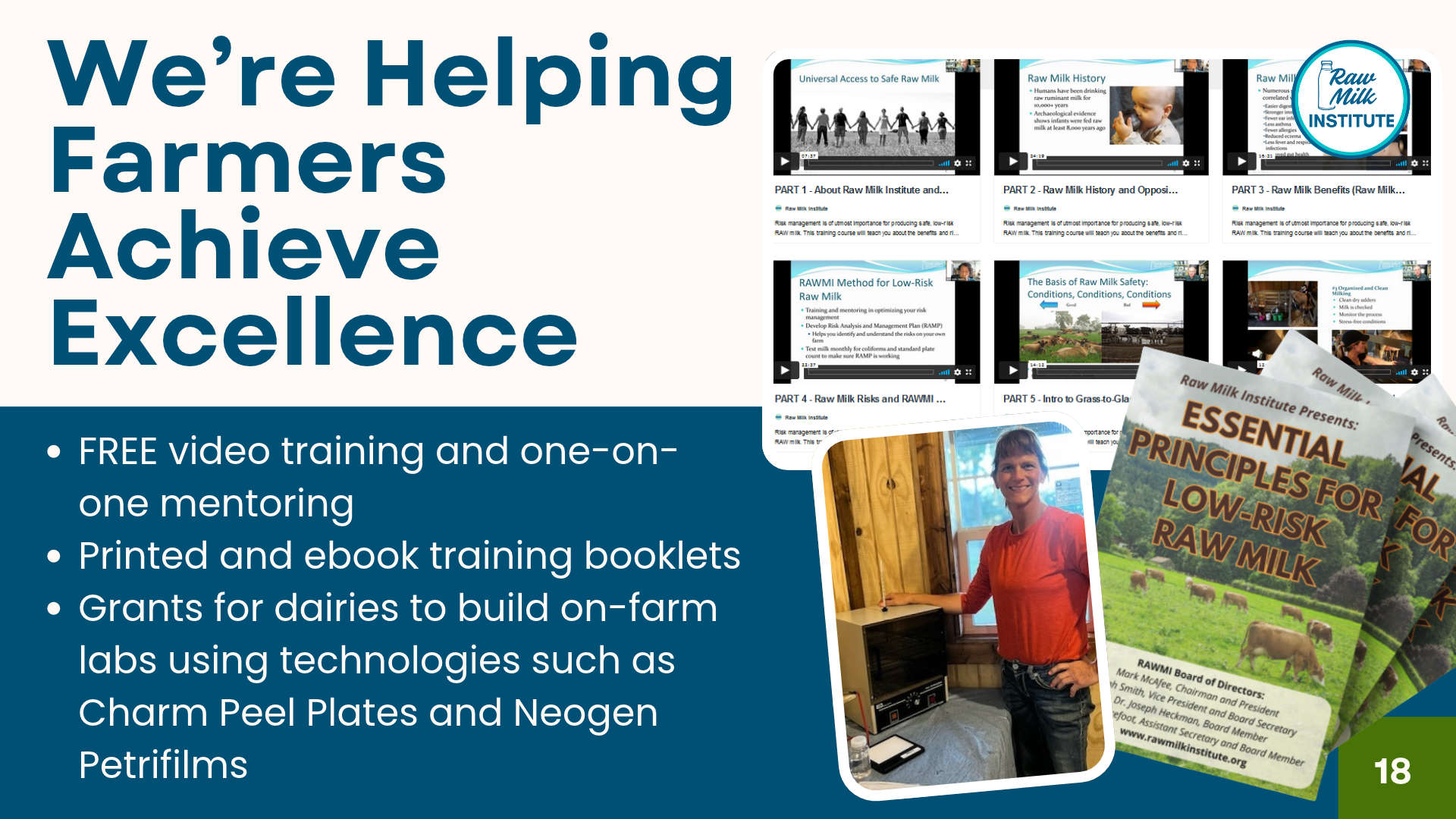
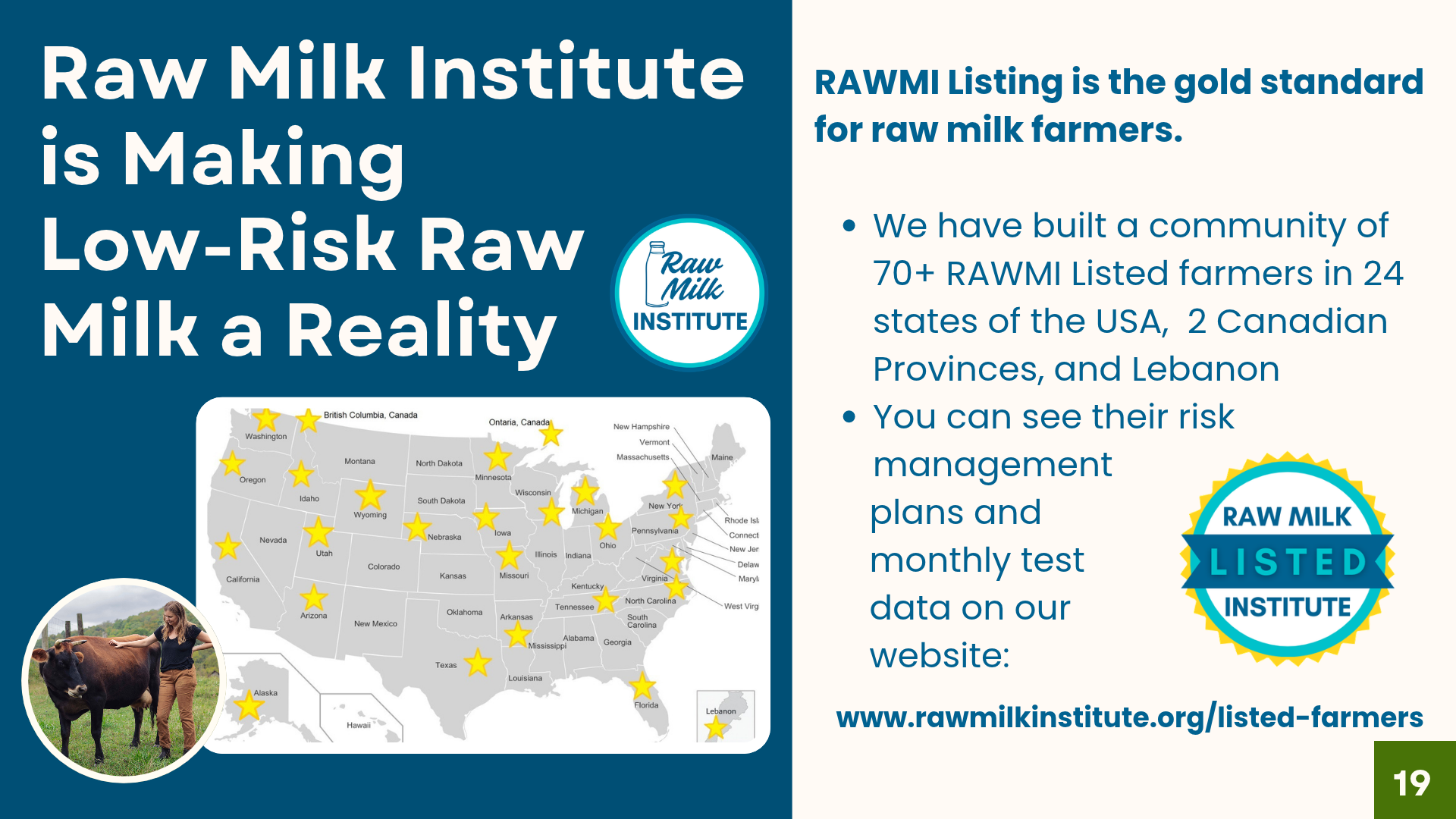
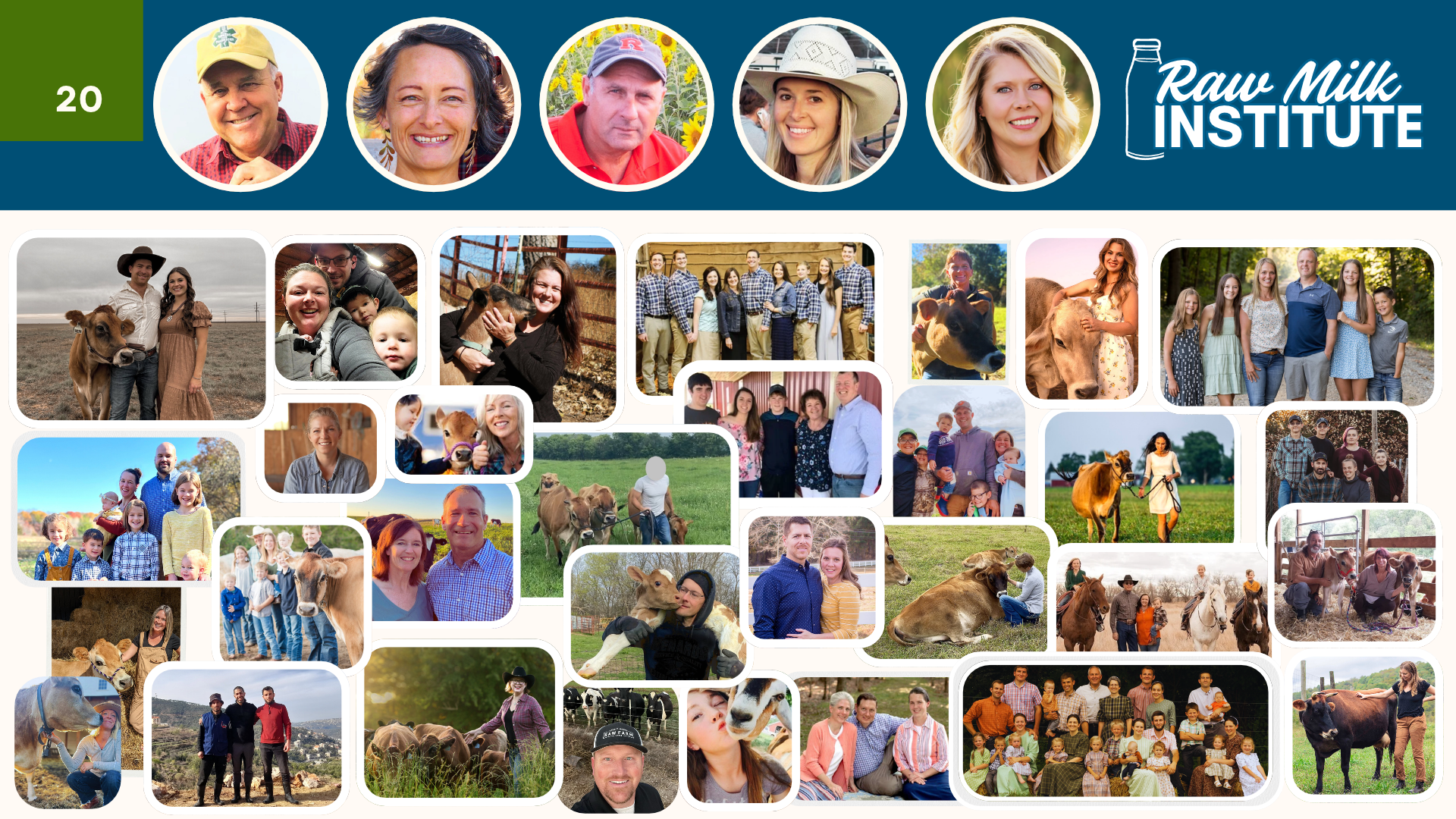
I founded the Raw Milk Institute (RAWMI) in 2011, with the goal of developing high standards that would be uniform and consistent. These uniform standards along with well-trained farmers would increase the accessibility and safety of raw milk for local communities all over the world. It was time to build a community of well-trained farmers using high standards and testing. Over the last 15 years, RAWMI has set internationally-recognized standards for raw milk, trained thousands of farmers worldwide, certified over 70 farms in low-risk raw milk production, and collected over 20,000 raw milk bacterial test data which validate and demonstrate that high standards resulting in low-risk raw milk are achievable.
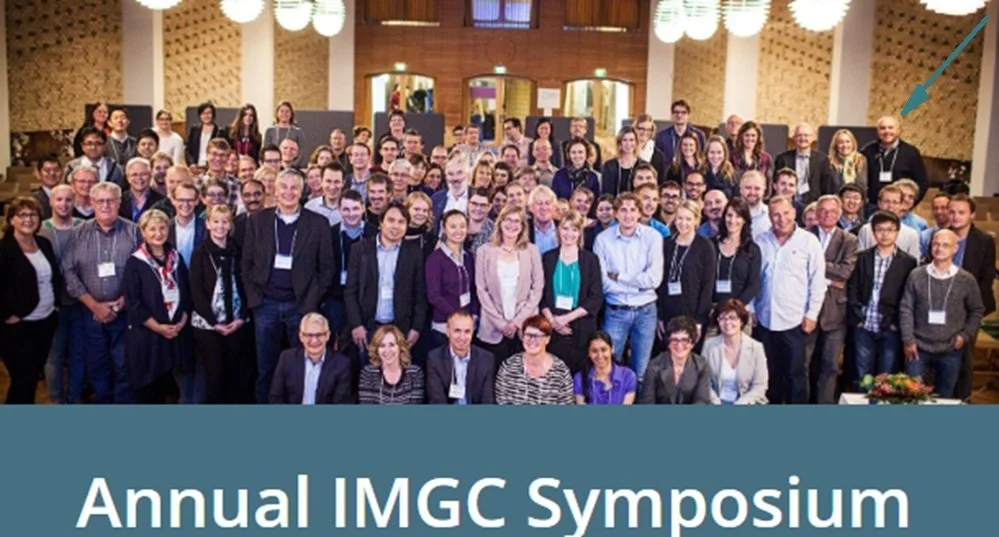
IMGC attendees in a prior year: yep…that is my wife Blaine and myself in the back
Getting Inside the Milk Science Tent
In 2012, soon after establishing the Raw Milk Institute, I began attending the annual International Milk Genomics Consortium (IMGC) symposiums. Attending these conferences took me all over the world, including Australia, Canada, Ireland, and Denmark. I wanted to learn everything possible about milk from the best and brightest researchers worldwide. Building my own expertise would allow me to bring that information back home and teach it to my team at Raw Farm as well as RAWMI’s growing community of farmers. The symposium presentations give insight into the newest findings for anything related to milk, breastmilk, and lactation including genomics, proteomics, lipidomics, glycans, extracellular vesicles, bioactives, the gut microbiome, immunology, digestive physiology, milk mRNAs, and more. I’ve been the only farmer in the room alongside hundreds of PhD milk and lactation researchers from all over the world. Learning to understand their scientific language and absorbing their data was intimidating, but I’ve kept going back every year to learn more. It has helped greatly that I was previously pre-med trained in college and served as an EMS paramedic for 15 years.
I ask the presenters hard questions about what their research means with relation to raw milk. Some of my questions cannot be publicly discussed or written about by the researchers themselves because of funding conflicts for their grants from the FDA, NIH and CDC that forbid the study of human consumption raw milk! Because I am not affiliated with institutional funding or grants, I can ask important questions about the ways in which the bioactives in raw milk support human health and how processing methods can damage milk’s components. Many of the IMGC researchers are frustrated that their research isn’t being generally translated into better practices to retain more of milk’s benefits for the betterment of the people who drink it. The FDA and milk processors refuse to adapt and apply the research, but I am the guy that takes the data back home and applies it.
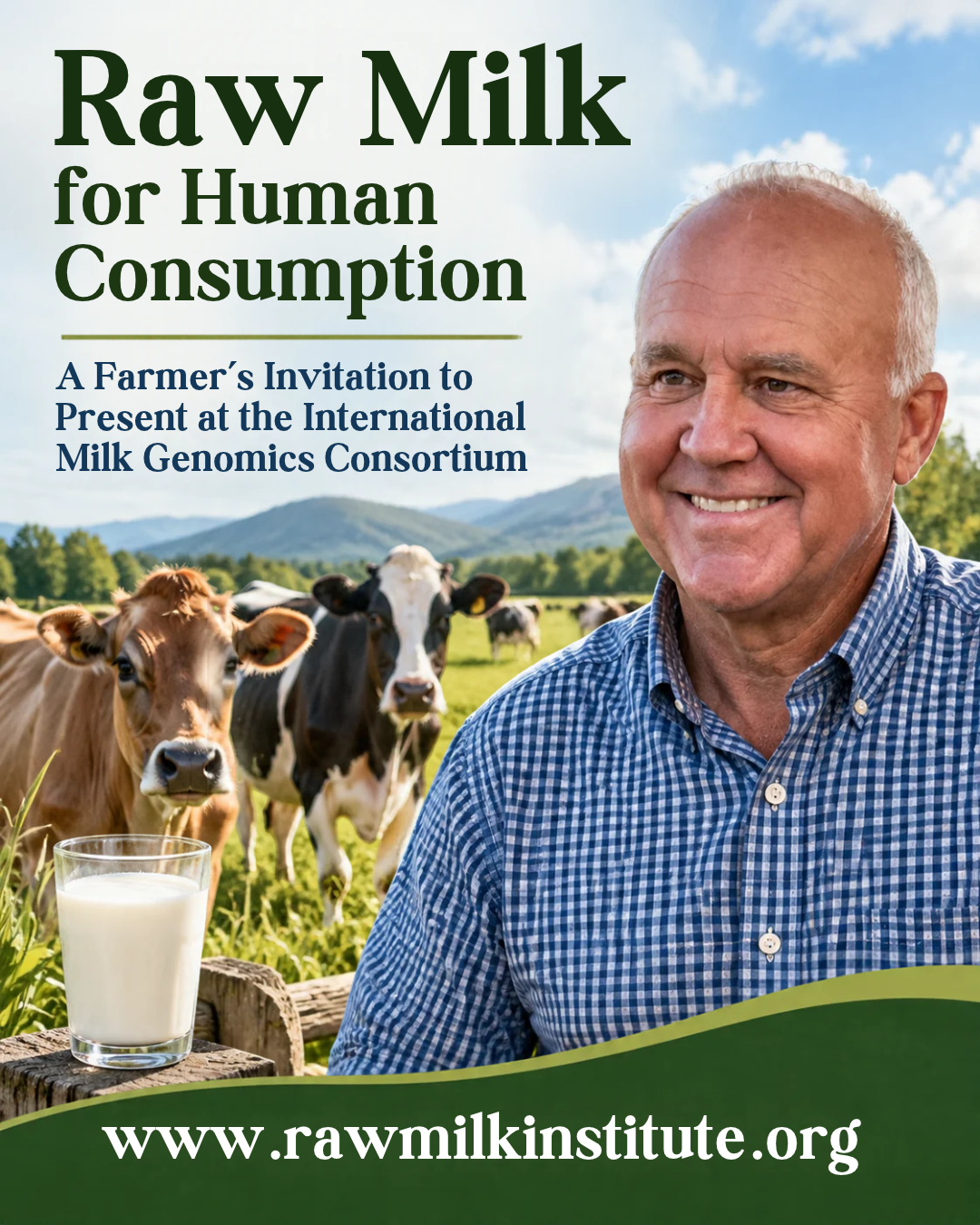
As the IMGC was concluding its symposium in Aarhus Denmark in 2025, executive director Dr. Jennifer Smilowitz approached me with a formal invitation to speak at the 2026 symposium in Portland Oregon. I was flattered, a bit amazed, and immediately said “Yes!” The IMGC leadership recognized my dedicated attendance and thoughtful questions for the prior 14 years and was interested to learn about the science of how to produce Human Consumption Grade Raw Milk. They wanted to learn more about how the information I had gleaned at IMGC was being translated and applied back home on farms and with real consumers.
I was excited to be an invited speaker in Portland Oregon in September 2026.This was the culmination of 14 years of showing up, standing up and speaking up while always being professional, humble, kind, courteous, inquisitive and thoughtful. I was the only presenter who was not a researcher. What an honor to be welcomed into the international milk research community.
For my 15-minute presentation, I spent a year honing my message to create a powerful set of slides that would win the hearts and open the minds of scientists and doctors. I extend a big thank you to Sarah Smith (Vice President at RAWMI) for her help in editing and building the slide deck as we refined the message for the presentation.
My colleague Peg Coleman was also in attendance. She is on the advisory board for RAWMI and presented a poster of her raw milk research at the symposium. These conferences are as much about sharing research as they are about eating and sharing with others in a friendly, welcoming environment. The IMGC strongly encourages cross-discipline dialogue and collaborations.
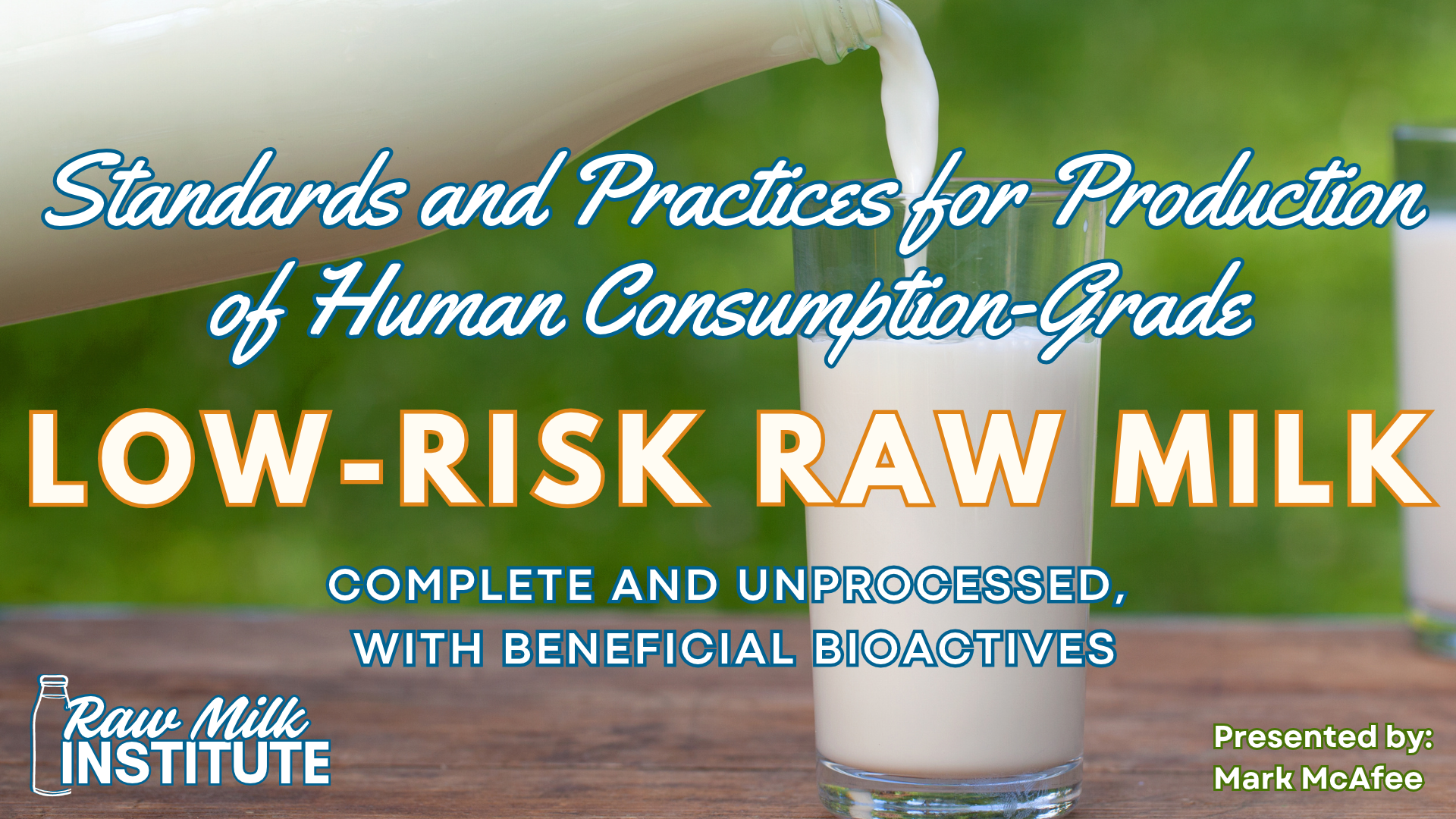
IMGC Portland Oregon Sept 15th 2026 Presentation: Standards and Practices for Production of Human Consumption-Grade Low-Risk Raw Milk
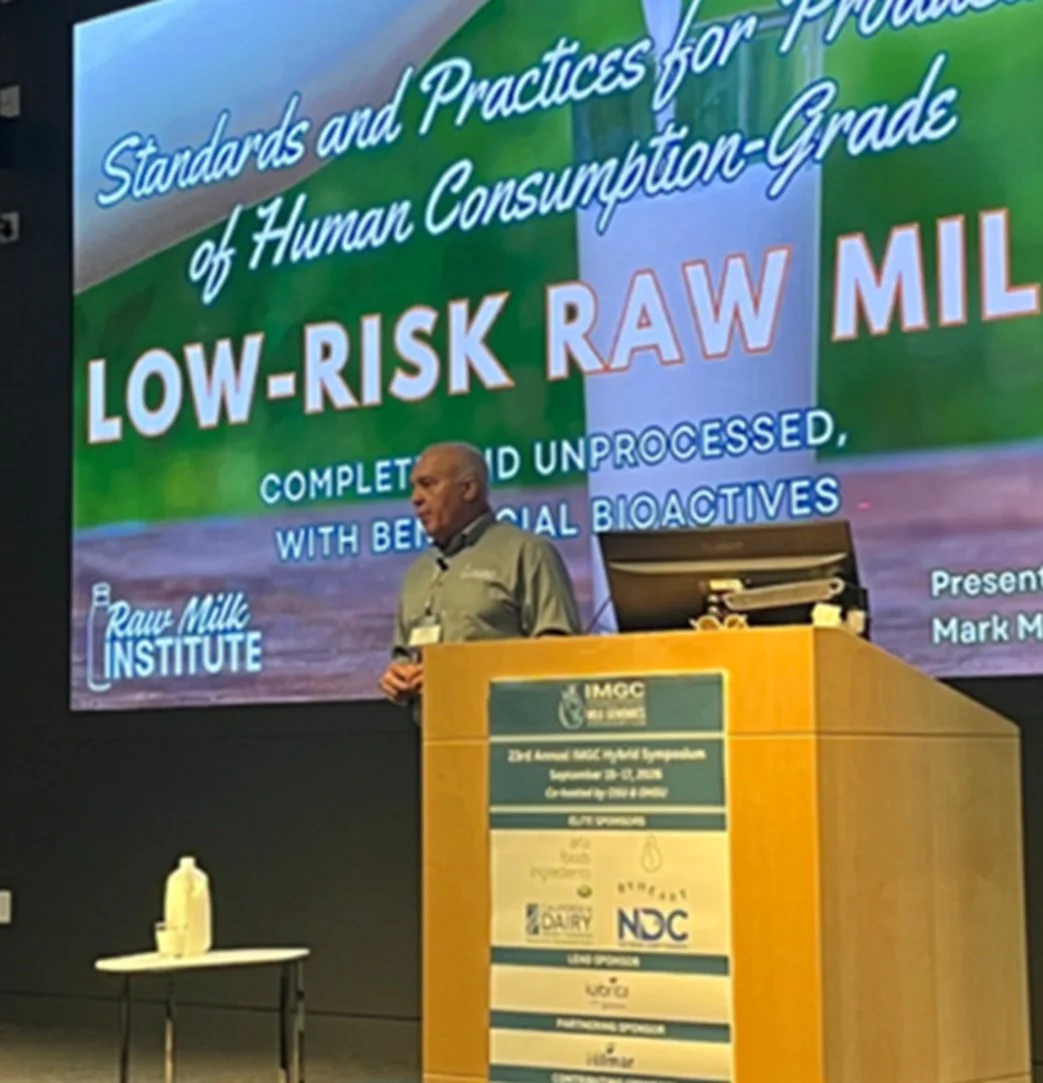
As the third speaker on the first day of the conference, I was glad that my presentation would be on the minds of all attending for the rest of the three-day conference. Dr. Smilowitz introduced me as a human consumption raw milk producer, with an affirming history of my faithful attendance at the IMGC for the last 14 years. As I approached a small table in the middle of the stage, I poured a glass of my Raw Farm milk and placed it on the table, sharing that, “It took 14 years for this glass of Human Consumption Grade Raw Milk to reach the IMGC stage today. During those 14 years, I sat in those seats like you today, taking very careful notes. I took those notes about what I learned from your brilliant research back home and applied them for human good.”
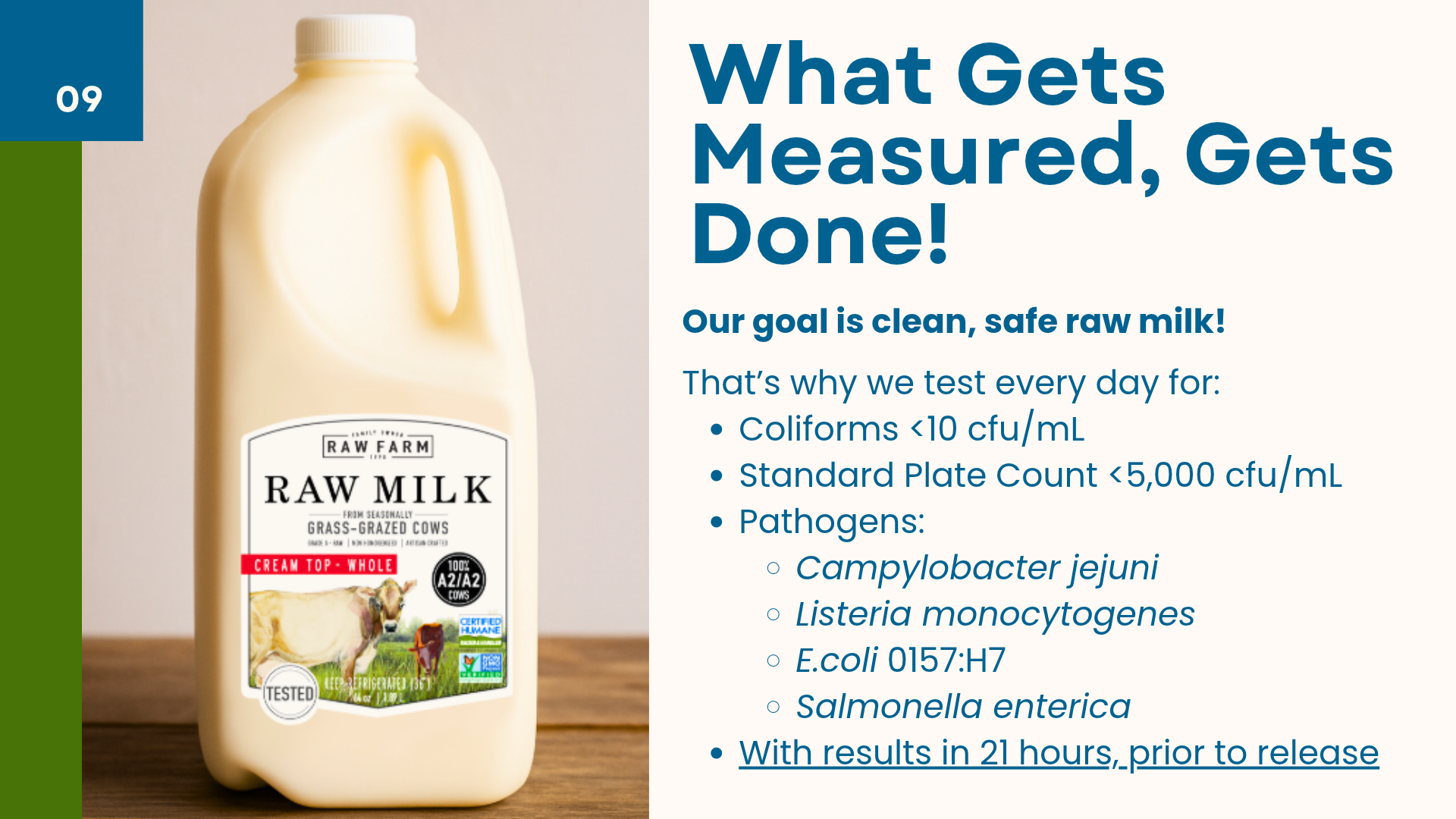
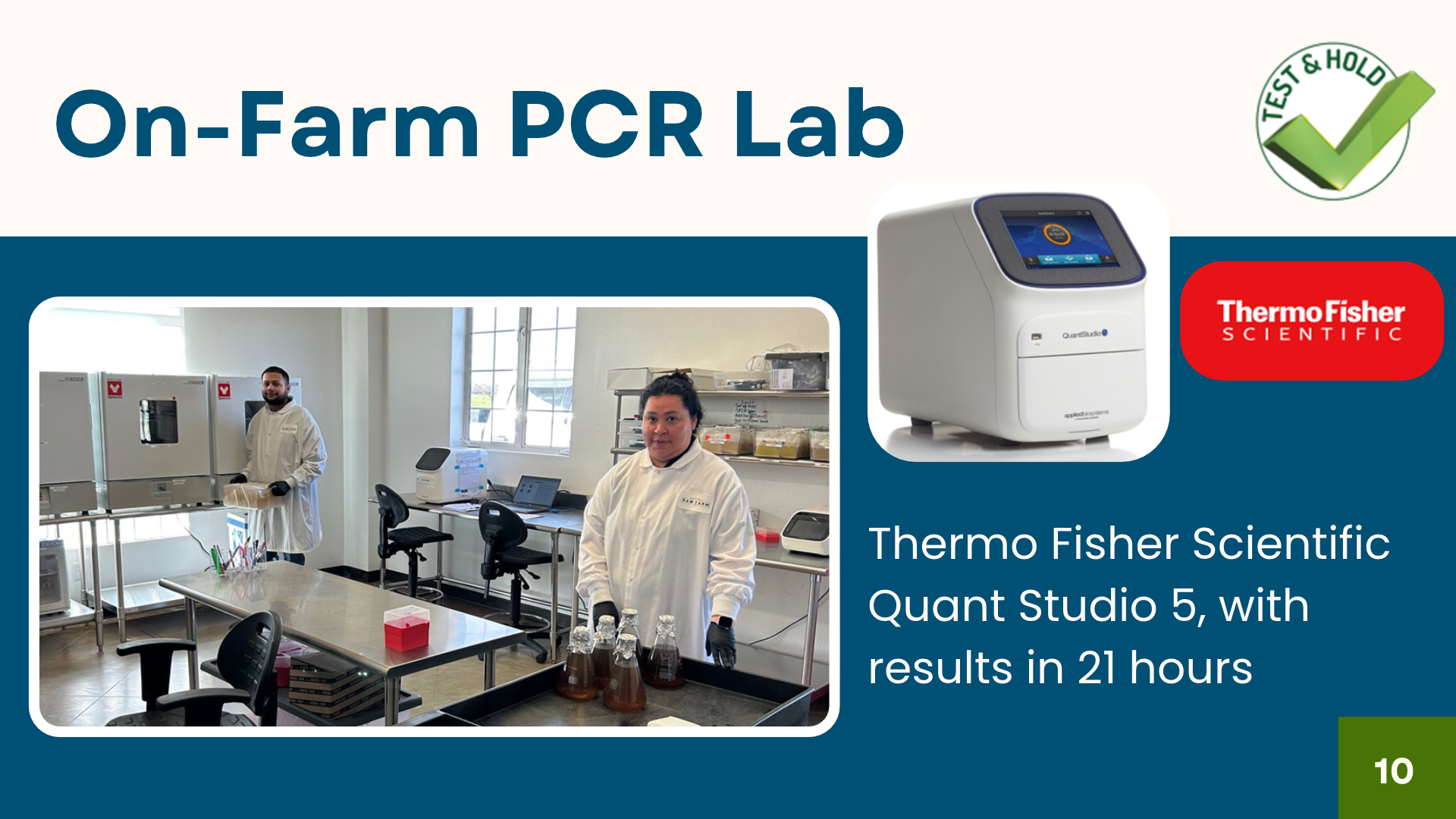
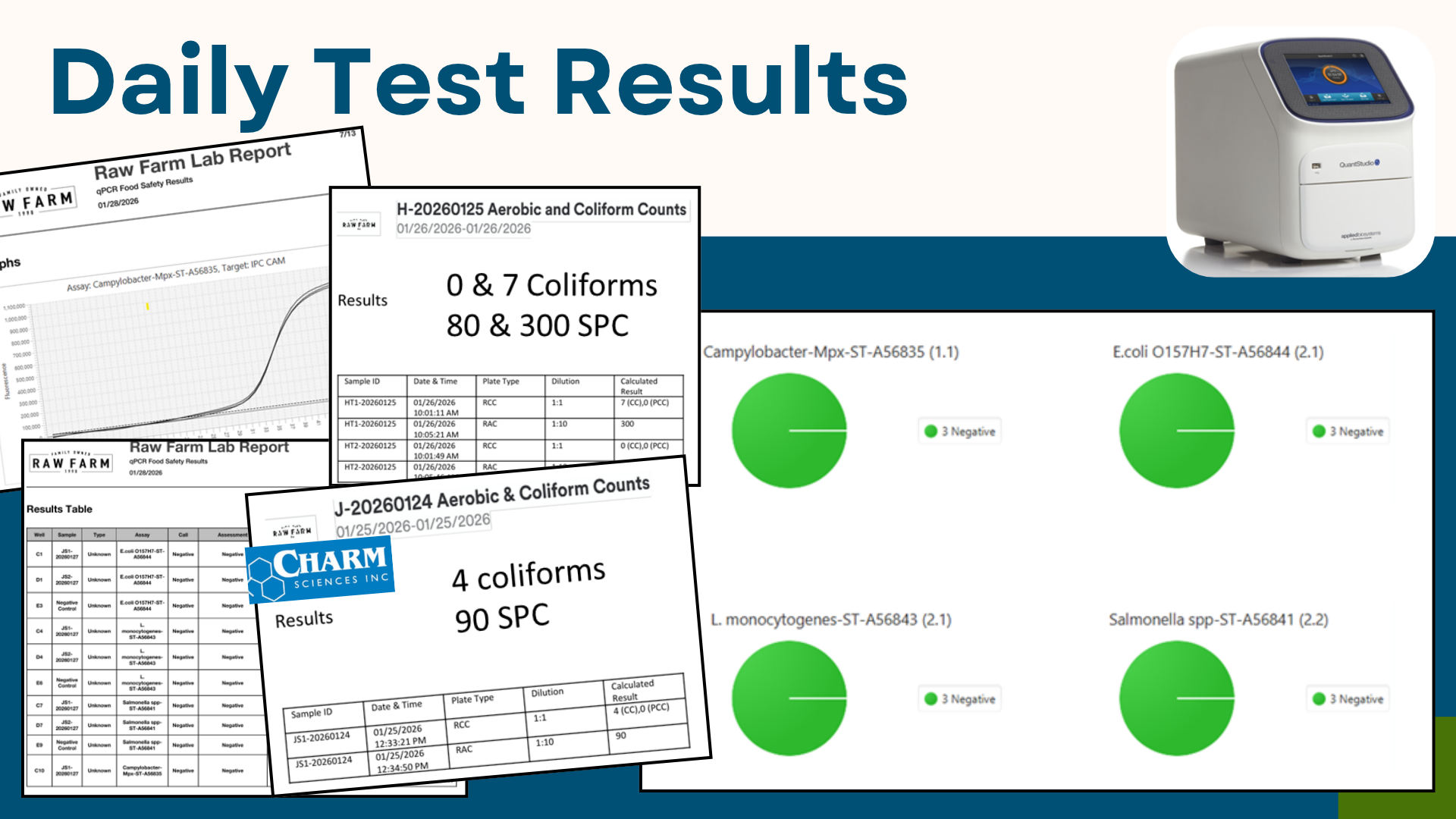
I then presented my slides to educate the researchers in how RAWMI and Raw Farm produce pathogen-free raw milk for our growing markets. The slides illustrate how the IMGC studies are leading to practical application for the good of humanity. At the end of the presentation, I went back to the cold glass of raw milk on the table, picked it up and drank it saying, “Yum!!” After 10 minutes of questions and answers, several researchers wanted a glass of raw milk from my remaining half gallon.
Over the next three days I was approached by doctors and PhDs who told me that my presentation had opened and changed their minds on the science behind human consumption grade raw milk. That included a doctor working with neonates and infants in an ivy league university hospital as well as a university researcher who is looking into developing a health-promoting, unheated, bioactive rich baby formula to prevent the current issues with necrotizing enterocolitis experienced by premature babies. Overall, my message about the high standards and practices which make low-risk raw milk for human consumption was warmly welcomed.
The full slide deck is below. Key takeaways include:
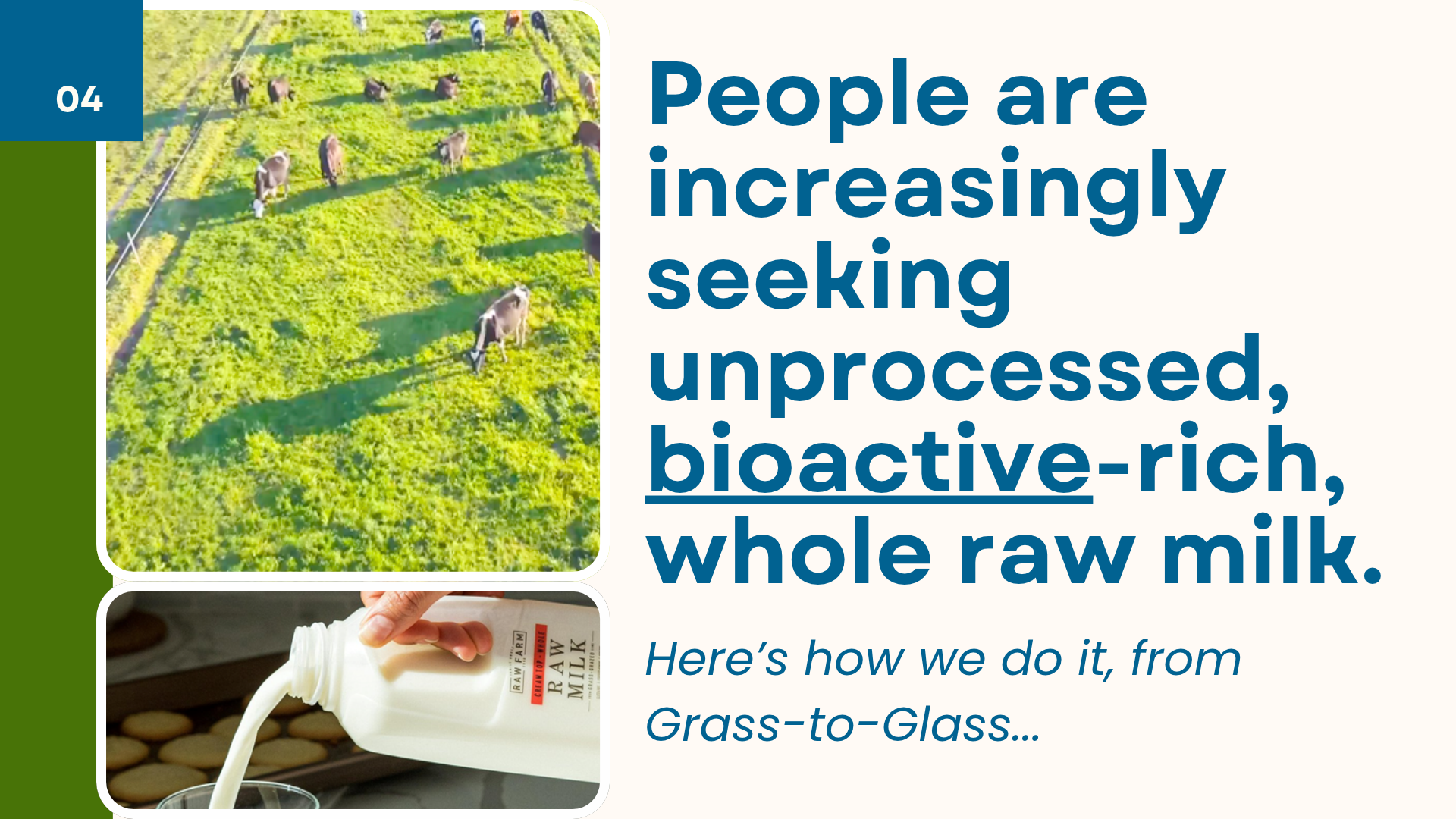
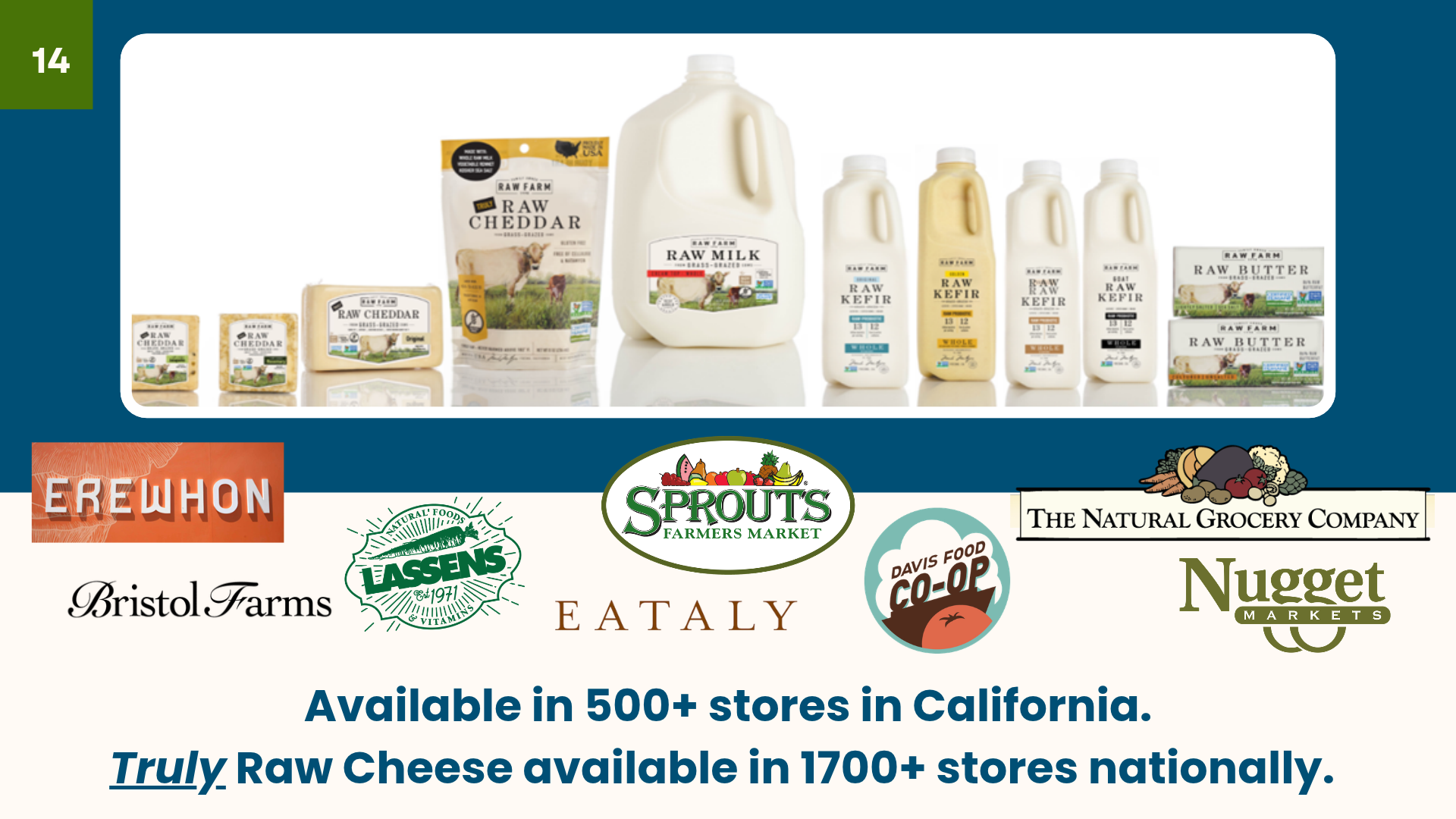
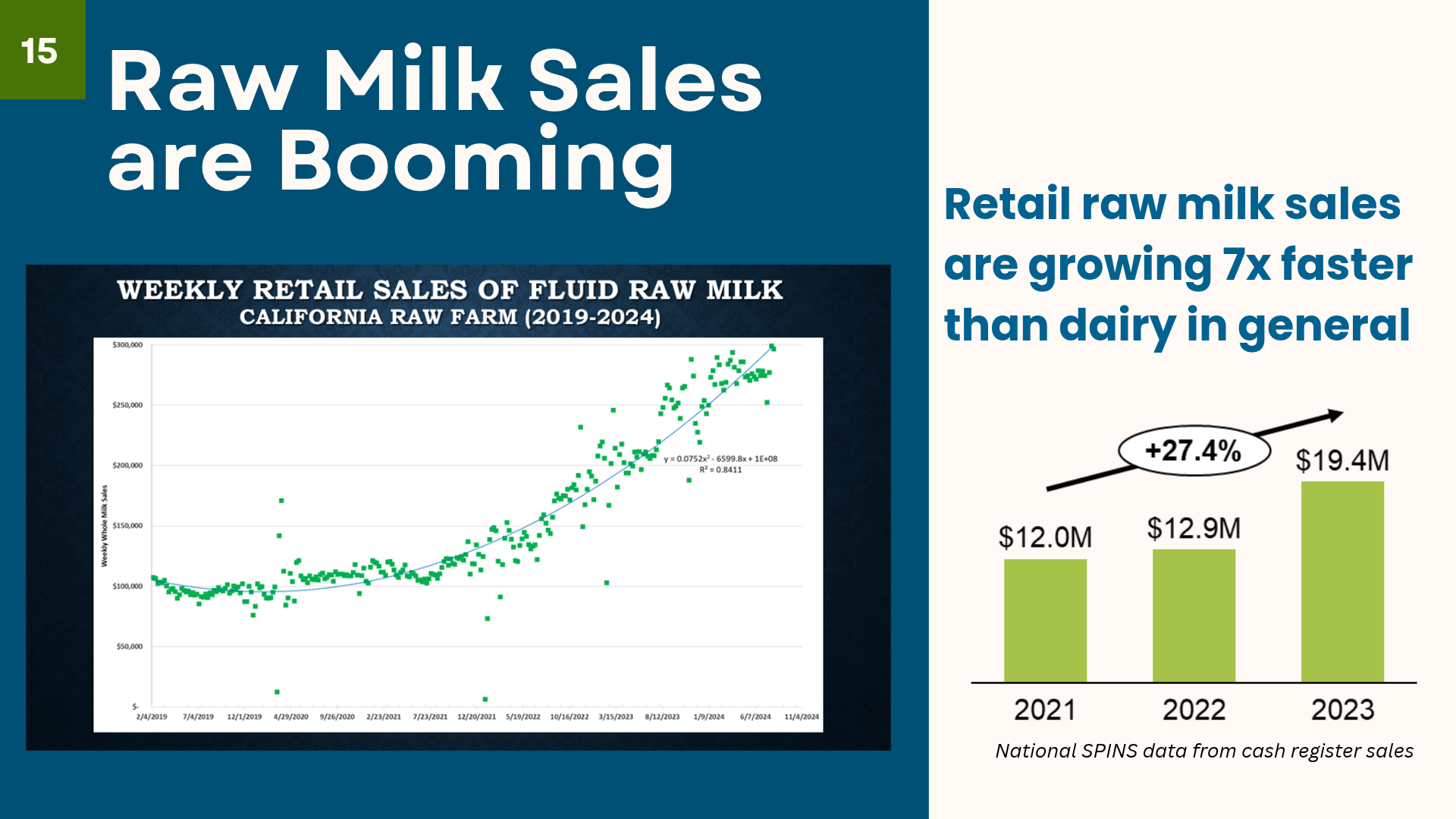
1. Consumer demand for bioactive-rich raw milk is high and growing.
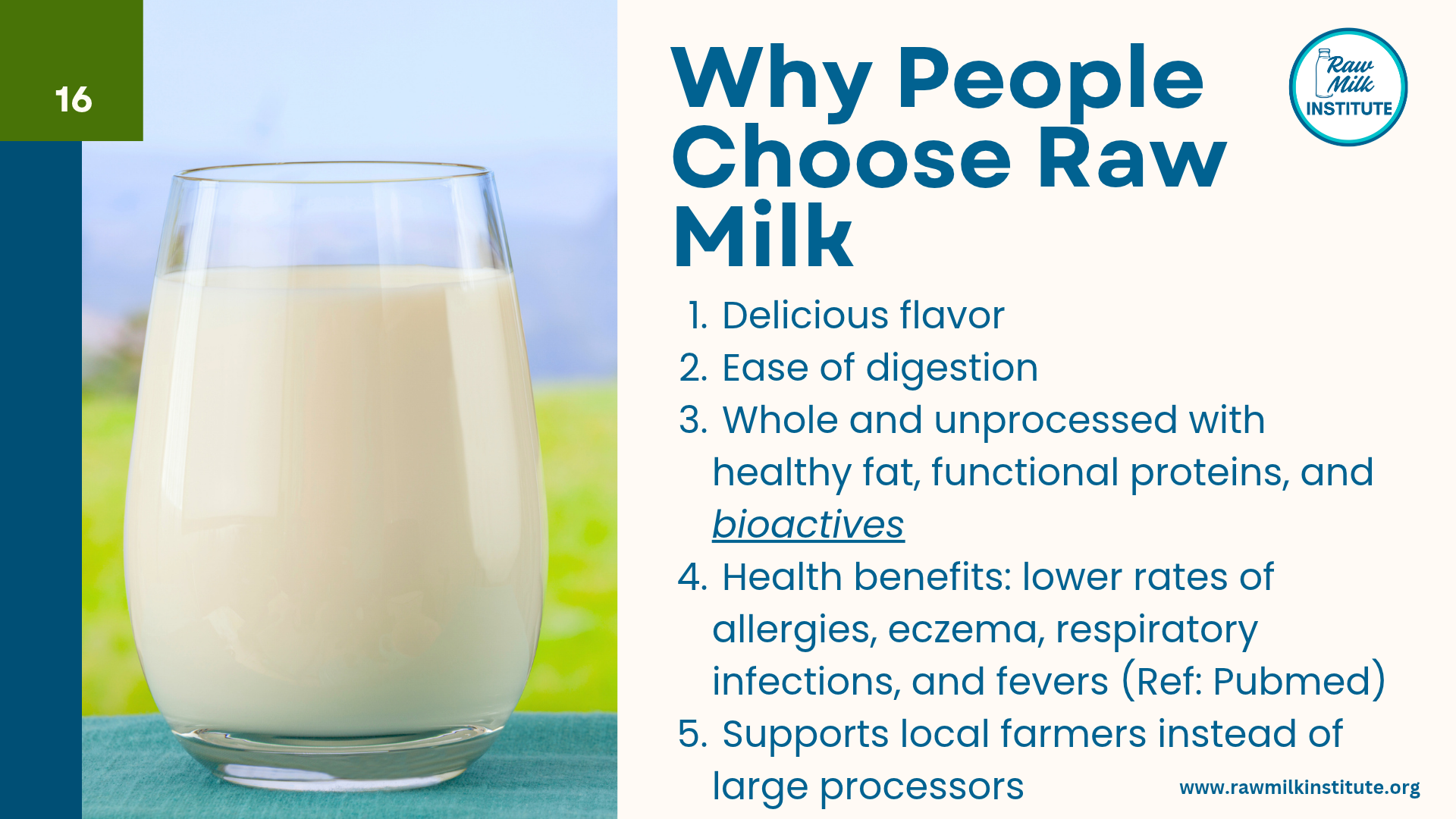
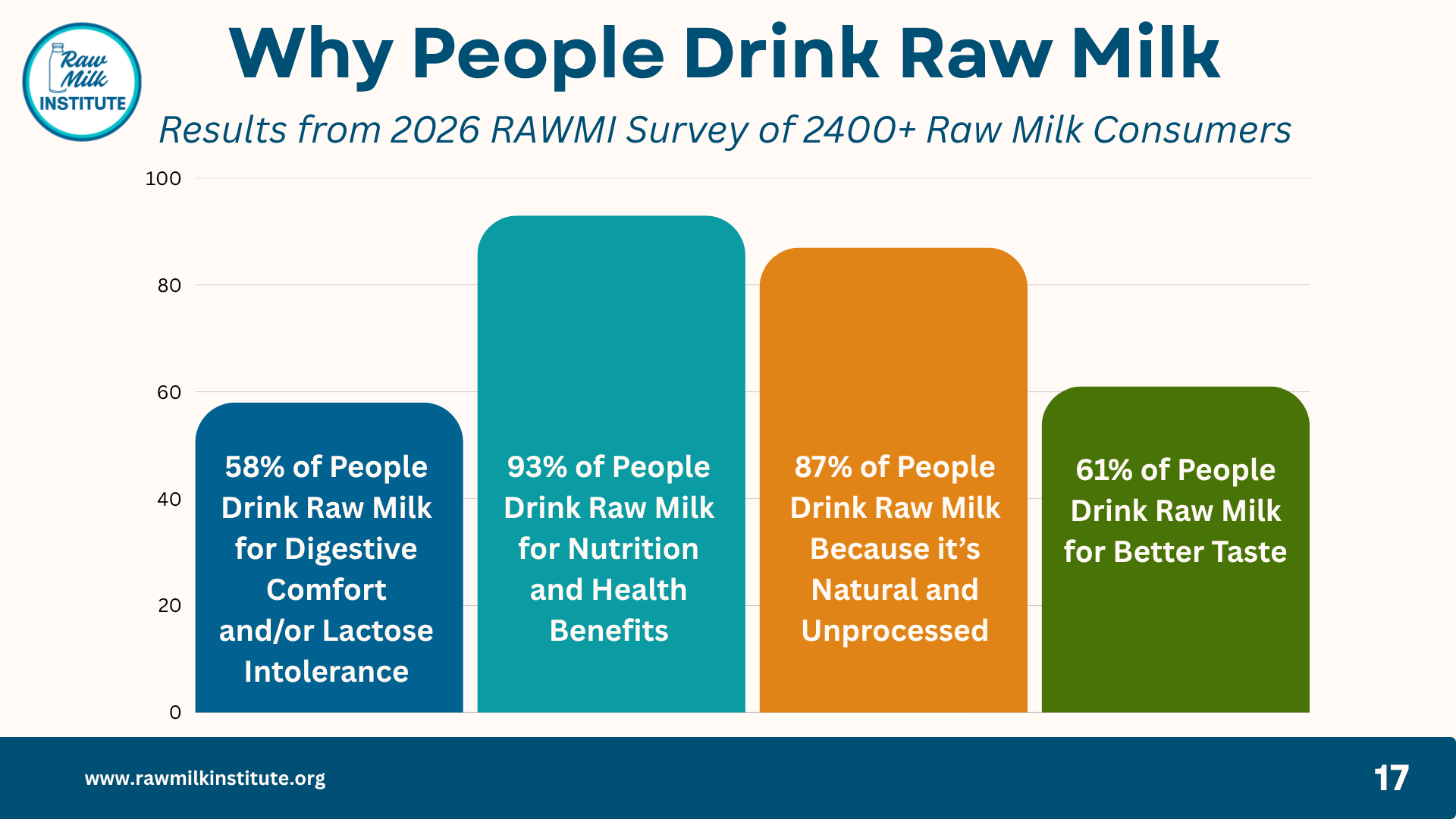
2. The top reasons why people drink raw milk are nutrition and health benefits, preference for unprocessed foods, delicious flavor, and ease of digestion.
3. Consumers report delicious flavor, ease of digestion and no allergic reactions.
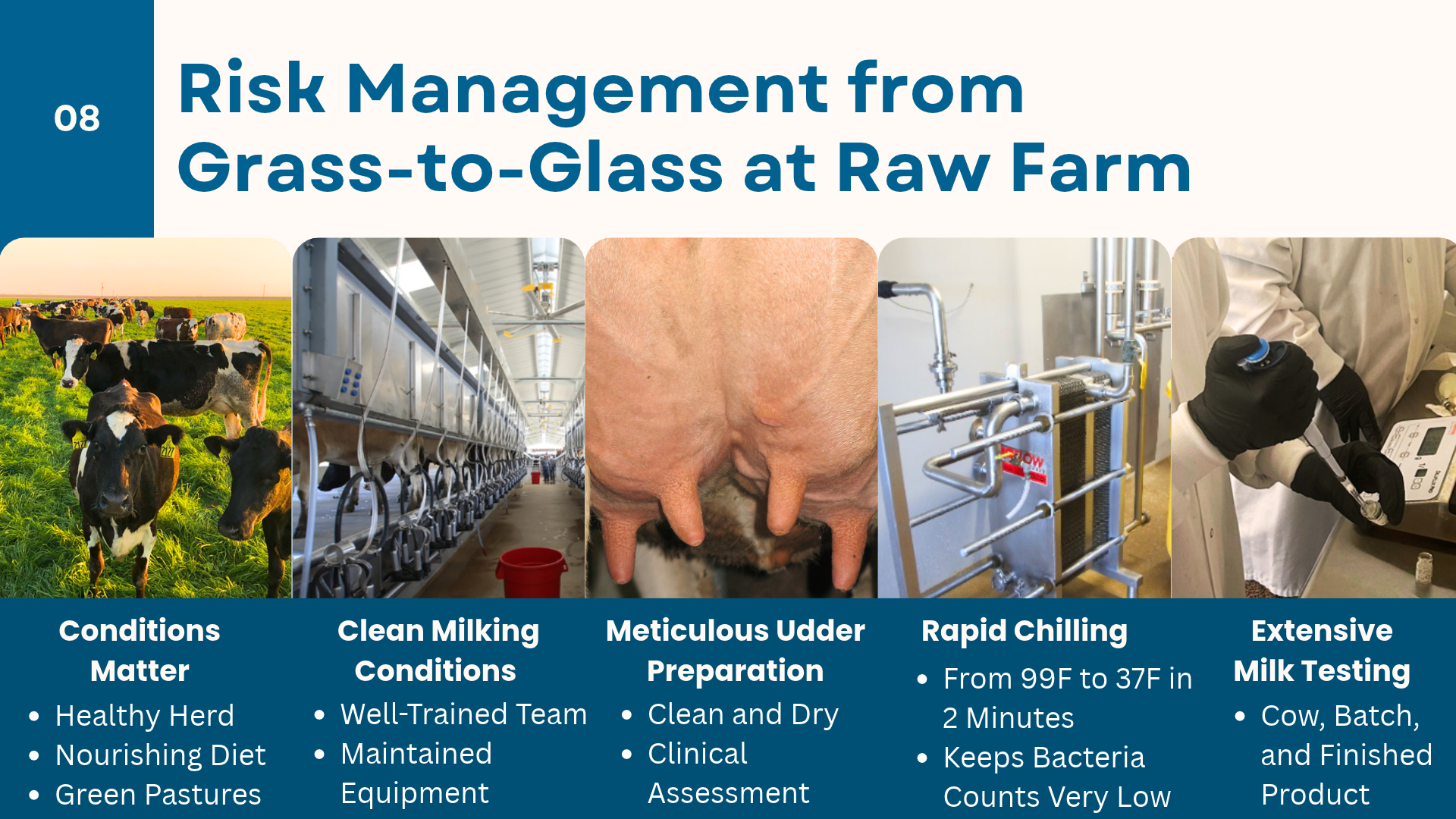
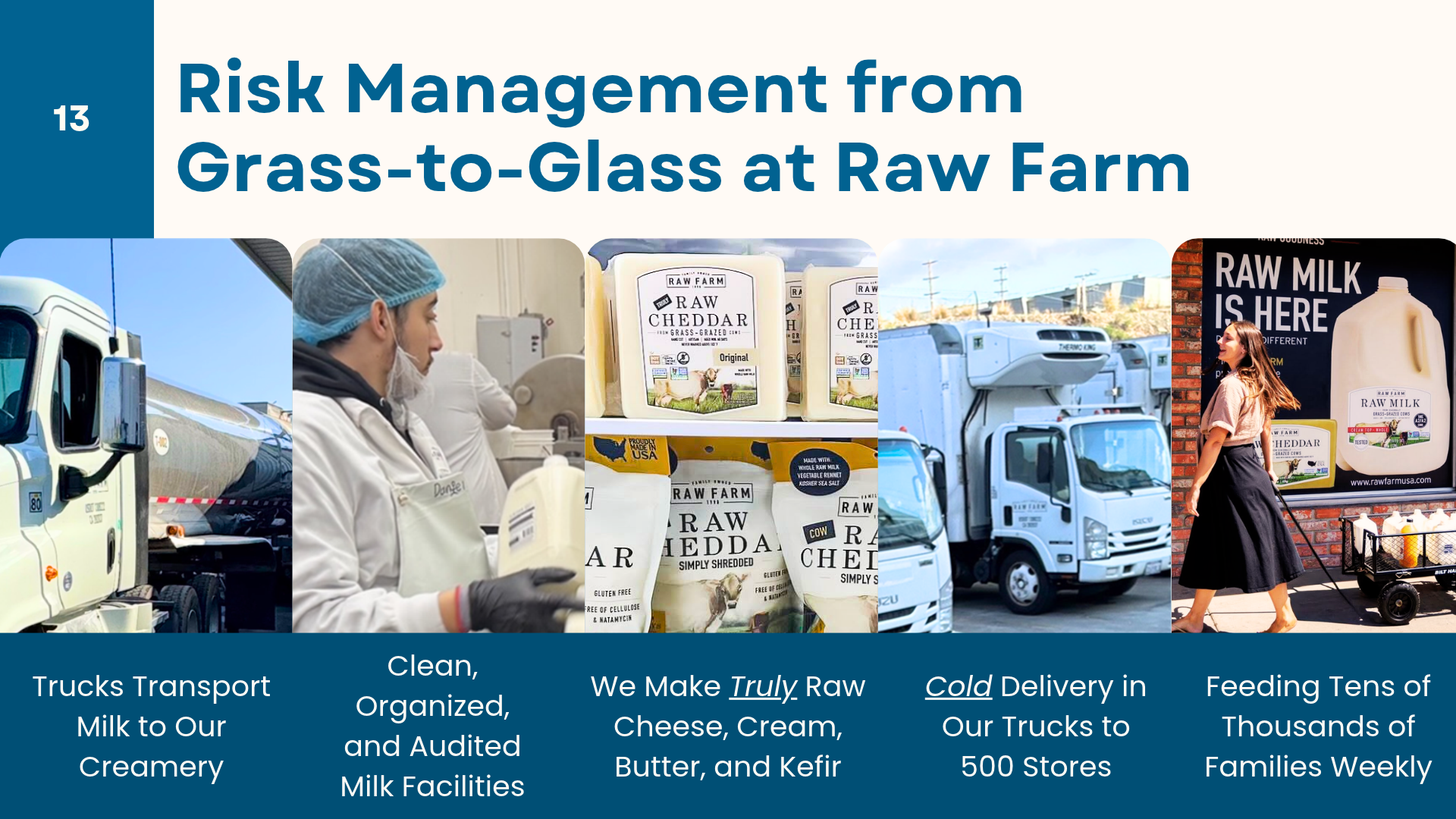
4. Specialized Grass-to-Glass risk management practices are essential to low-risk raw milk.
5. Rapid testing of milk using petri film, peel plate, and PCR pathogen testing technologies provide farmers with tools to verify that their risk management practices are effective.
6. Raw milk test data collected by Raw Milk Institute over the last 15 years demonstrates that safe raw milk is achievable.